
 +8618266221406



0102030405
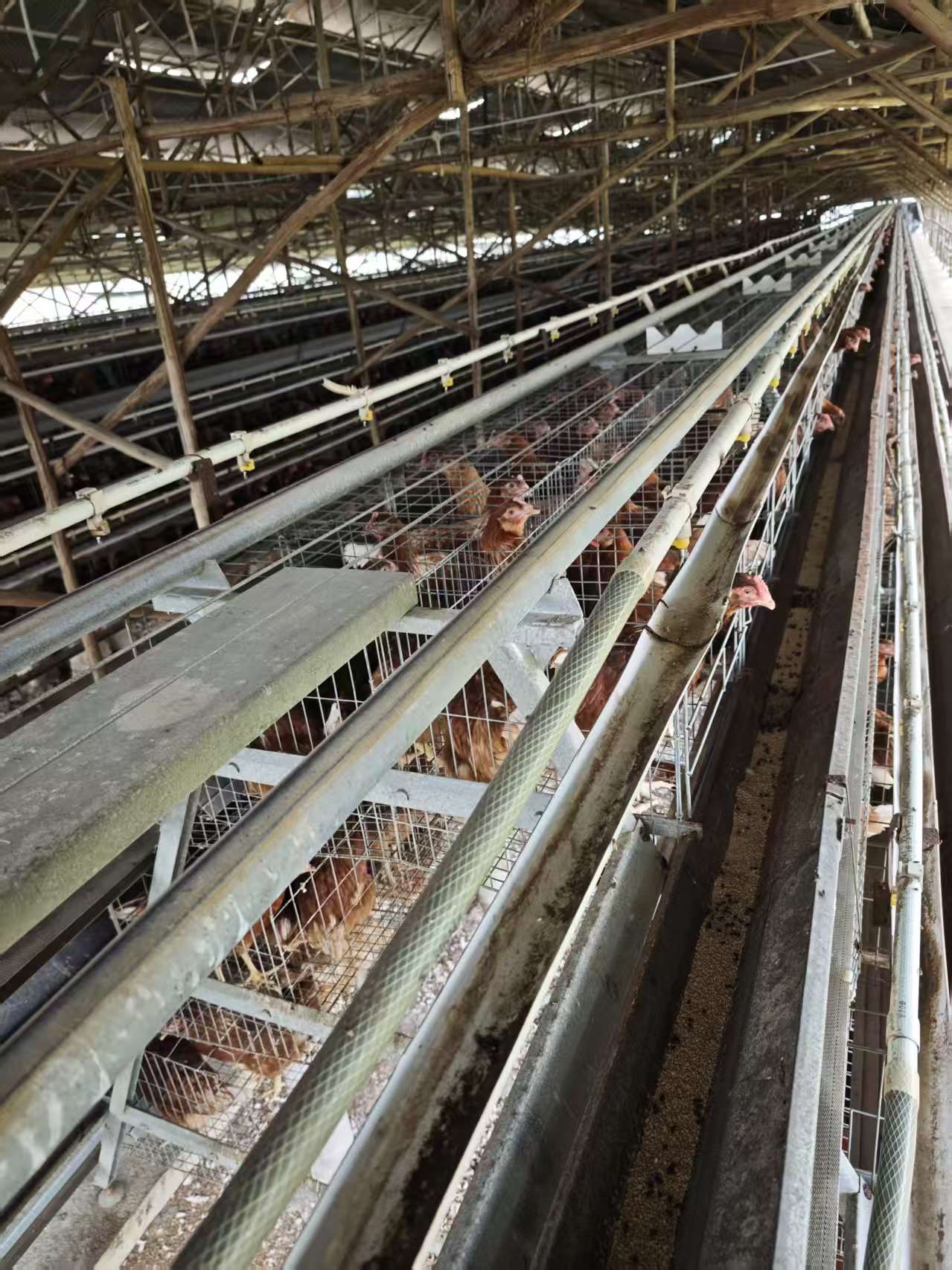
What does the front end of the water line look like in a cage?
2025-10-03
The front end of the watering system in caged poultry: the "heart" and "kidney" of the poultry house, the lifeblood of farming profitability.
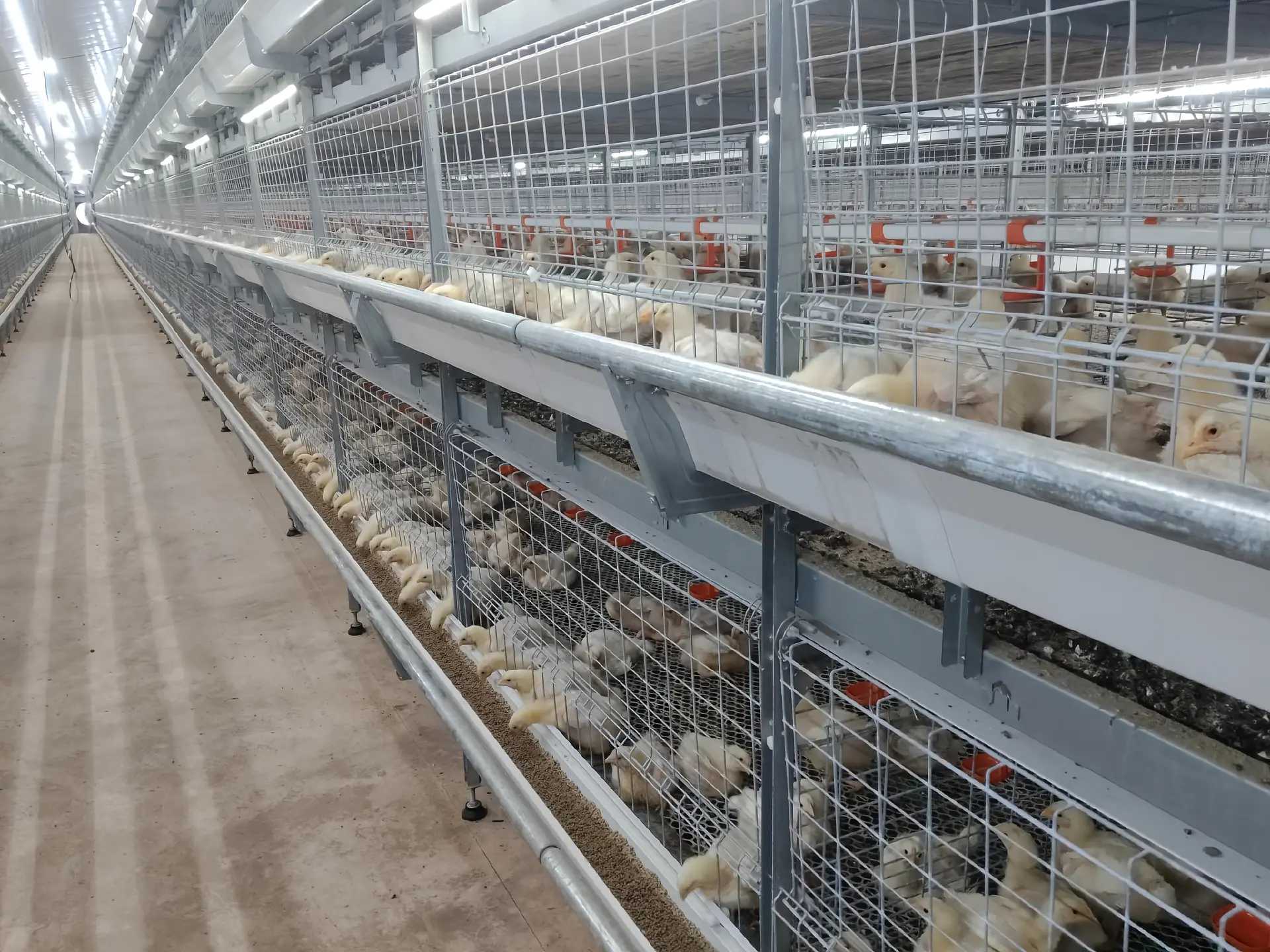
In Modern Poultry Cage systems, the drinking water line that runs through the house is like the vein of life. The front end of the watering system is the main gate and purification center of this vein, and its importance far exceeds its seemingly simple structure.
Many farmers are willing to invest in advanced cages, temperature control, and feeding equipment, but often overlook the watering system. In fact, water is the source of life and the most easily overlooked nutrient. A scientifically designed and well-configured front end of the watering system is the cornerstone for ensuring flock health, improving production performance, and maximizing farming profits.
I. Core Components of the Front End of the Watering System
The front end of the watering system is not a single component, but a sophisticated integrated system. It generally includes the following key parts:
1. Water source connection and pressure control center
Main water inlet valve and filter: The first checkpoint for water entering the poultry house. The coarse filter first intercepts large particles such as sand and rust in the water, protecting subsequent precision equipment.
Pressure-stabilizing/reducing valve: This is the "pacemaker" at the front end of the watering line. It reduces and stabilizes the high, unstable water pressure from the main line to the specific low pressure required by the poultry house watering line (typically 10-50 PSI, depending on the system design). Stable water pressure is crucial for ensuring uniform and leak-free water flow throughout the entire watering line, especially at the farthest faucets.
2. Water Purification and Dosing Plant
Precision Filter: This typically uses a high-precision filter element (e.g., 5-20 micron) to remove fine suspended matter, algae, and some bacteria from the water, preventing clogging of the faucet nipples.
Dosing Pump: This is the "targeted drug delivery system" at the front end of the watering line. Using a proportional dosing pump or a Venturi-type doser, additives such as vaccines, vitamins, antibiotics, or organic acids can be accurately and evenly mixed into the water, ensuring that each bird receives the correct dosage.
3. "Deep Treatment and Stabilization" of Water Quality
Water Disinfection System:
Ultraviolet Disinfection System: This system uses ultraviolet light to directly destroy the DNA of microorganisms in the water, preventing them from reproducing. This is a physical disinfection method with no chemical residue.
Chlorine Disinfection System: A chlorine injection pump continuously adds low-concentration chlorine to the water, effectively killing bacteria and viruses and inhibiting the formation of biofilm. This is currently the most mainstream and economical chemical disinfection method.
Backflush Valve: This system regularly performs manual or automatic high-pressure backwashing of the waterline's upstream piping to remove accumulated contaminants from the system and prevent them from entering the main waterline.
4. Waterline Cleaning and Maintenance Portal
Pressure Regulating Flush Valve: This valve is designed for flushing the entire waterline. By switching this valve, the water pressure can be temporarily increased, allowing high-speed water flow to flow through the waterline, removing accumulated contaminants and biofilm, and discharging them from the end of the waterline.
II. The Importance of the Front-End Waterline: Why It's an Indispensable Investment
A well-equipped front-end waterline offers returns far exceeding the initial investment, primarily in the following ways:
1. Maintaining Flock Health and Preventing Disease Spread
Controlling Biofilm: Warm water in poultry houses is a breeding ground for bacteria and algae, which can form slimy biofilms on the inner walls of waterlines. Biofilms not only pollute the water source but also serve as a natural haven for pathogens like Salmonella and E. coli. Regular chlorination and flushing can effectively destroy biofilms, controlling disease at the source.
Enhancing Immunization Effectiveness: When administering vaccines through drinking water, clean water quality and stable water pressure ensure that the vaccine virus remains active and is evenly delivered to every watering hole, achieving efficient and uniform herd immunity.
2. Improving Production Performance and Directly Increasing Profits
Promoting Feed Intake and Growth: The amount of water consumed by chickens is directly correlated to their feed intake (typically a ratio of approximately 2:1). Clean, palatable water encourages birds to drink more water, which in turn leads to increased feed intake, improving daily weight gain and egg production.
Reduced Waste and Loss: Stable water pressure prevents leaks from high pressure on water faucets, saving water resources and keeping litter and cage floors dry, reducing ammonia production and the incidence of claw disease, and lowering culling rates.
3. Protecting Waterline Equipment and Extending Service Life
Preventing Clogs: Multi-stage filtration significantly reduces the risk of clogging of faucet nipples by impurities, thus avoiding localized mortality or production decline due to water shortages.
Reduced Maintenance: Clean water reduces the accumulation of minerals and dirt on waterline components, lowering the failure rate of faucet springs, seals, and other components, saving long-term maintenance costs and time.
4. Achieve Precision Management and Improved Operational Efficiency
Precise Dosing: The dosing system ensures uniform drug distribution, avoiding the risk of underdosing or poisoning, improving treatment and health care efficiency, and reducing veterinary drug costs.
Automated Operation: Modern waterline front-ends support automated control, enabling timed flushing and proportional disinfection, freeing management personnel from the arduous task of waterline maintenance.
Conclusion
In modern aquaculture, where water quality determines health, the front-end waterline is no longer an optional "accessory" but rather a core hub that ensures the efficient and stable operation of the entire aquaculture system. Like a silent guardian, it provides the source of life for the flock and safeguards their health 24 hours a day.
Every investment in the front-end waterline ultimately yields rich returns through higher survival rates, improved feed conversion rates, reduced medical expenses, and longer equipment life. It is undoubtedly one of the most cost-effective investments in modern, refined aquaculture management.