
 +8618266221406


0102030405
Tips for Raising Chickens Using Poultry Equipment
2026-08-11
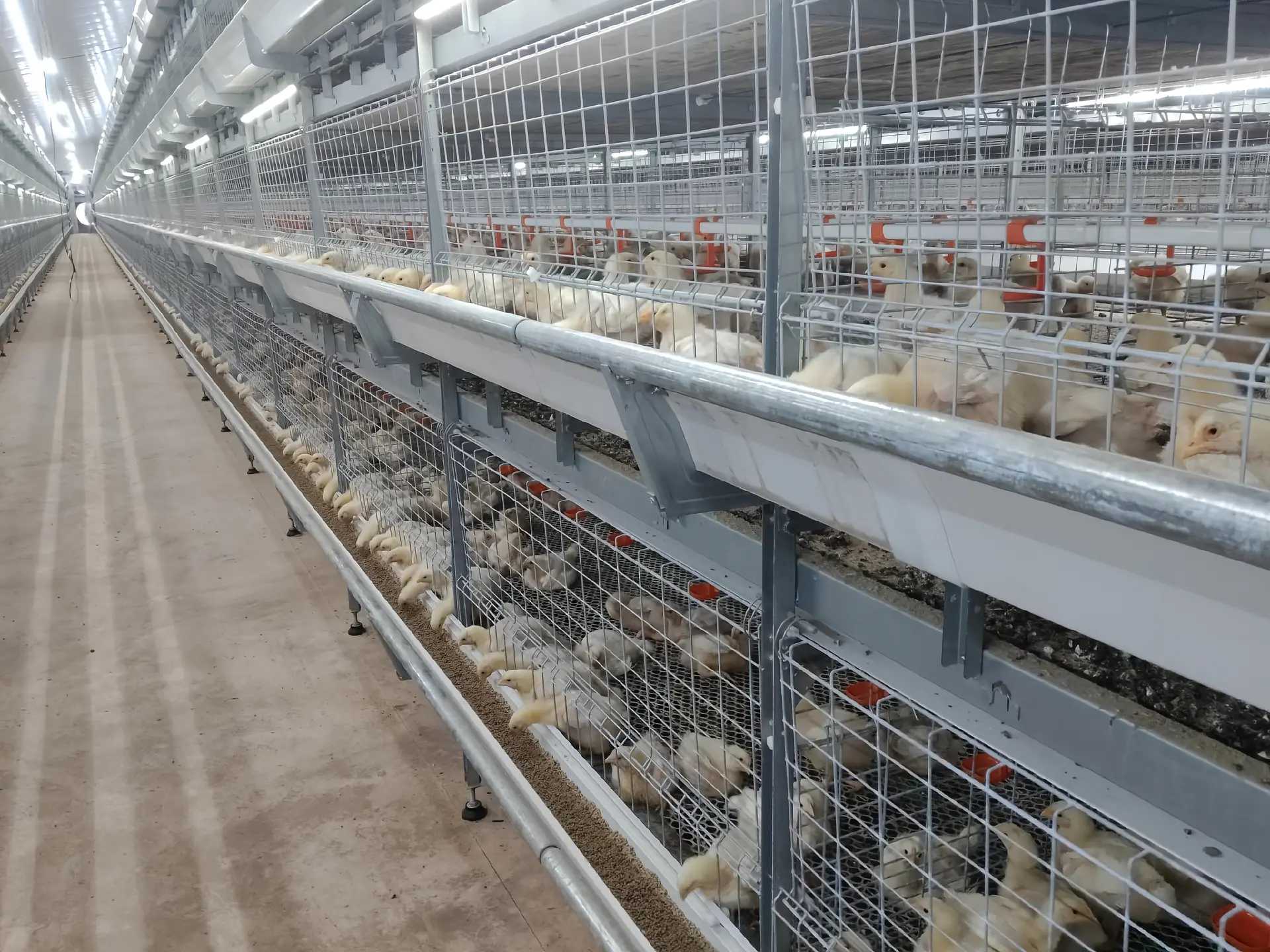
Proper use of Poultry Equipment requires integrated management in house construction, feeding, disinfection, disease prevention, and equipment maintenance to ensure bird health and production efficiency.
1. House Construction
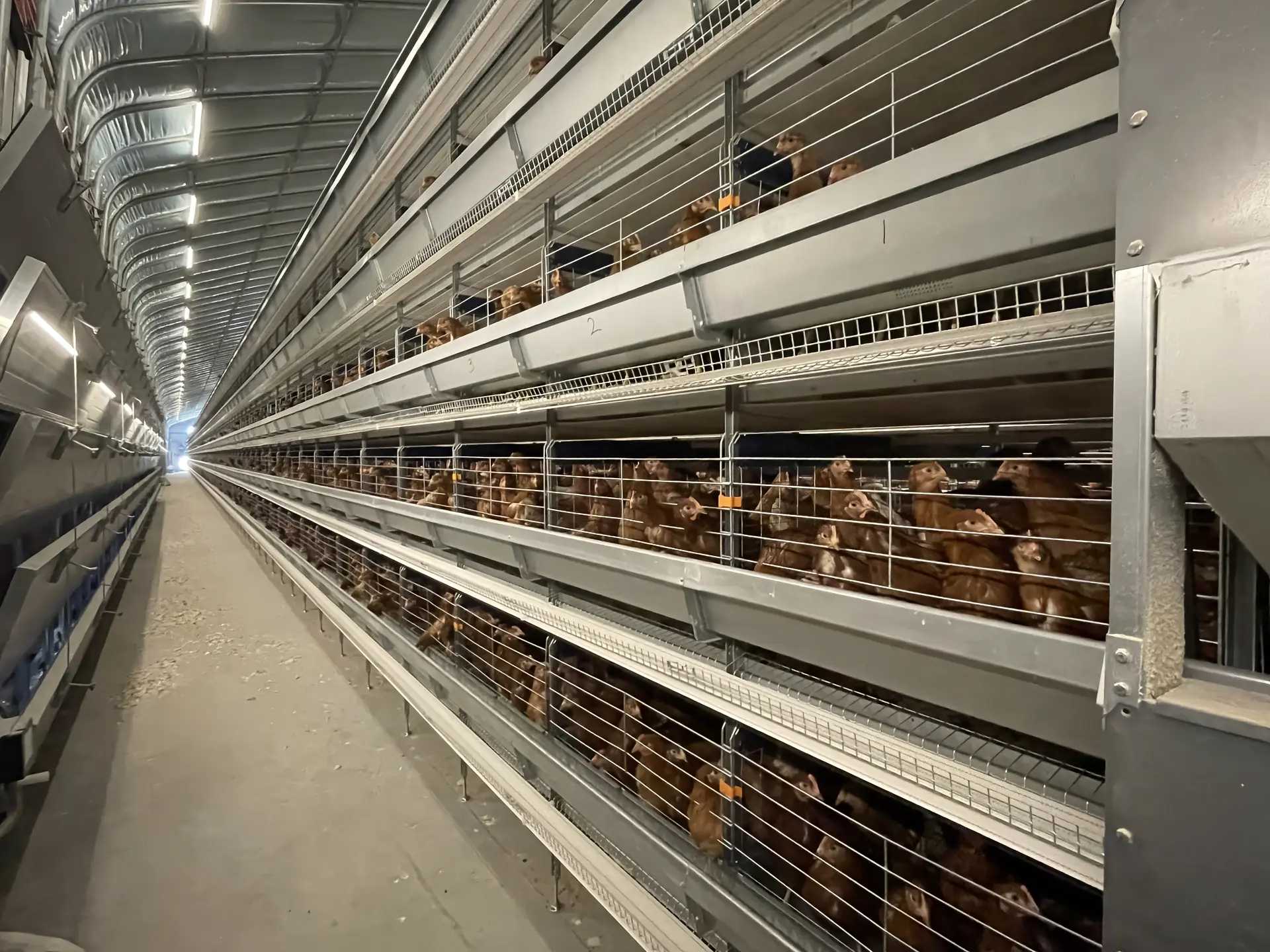
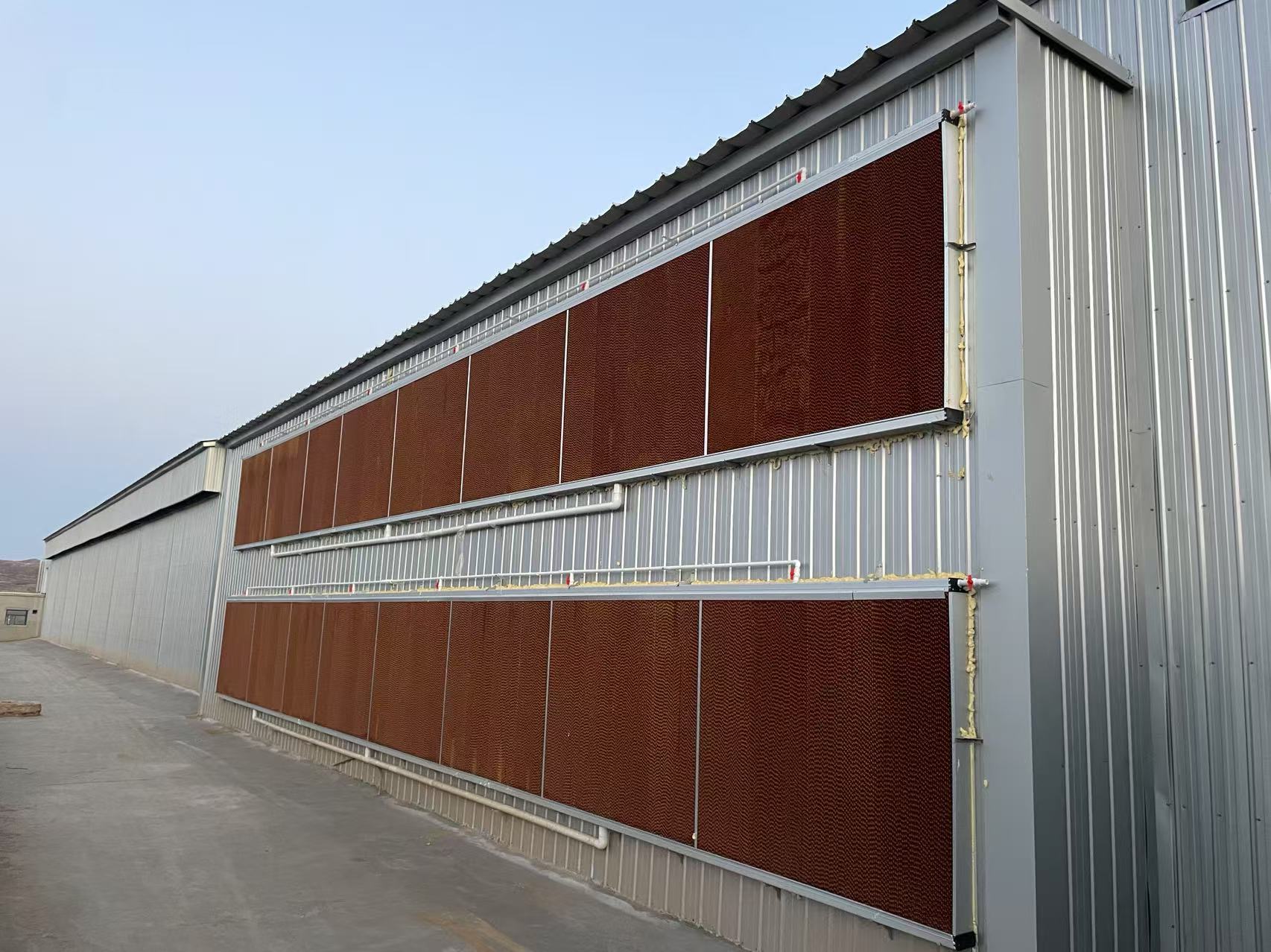
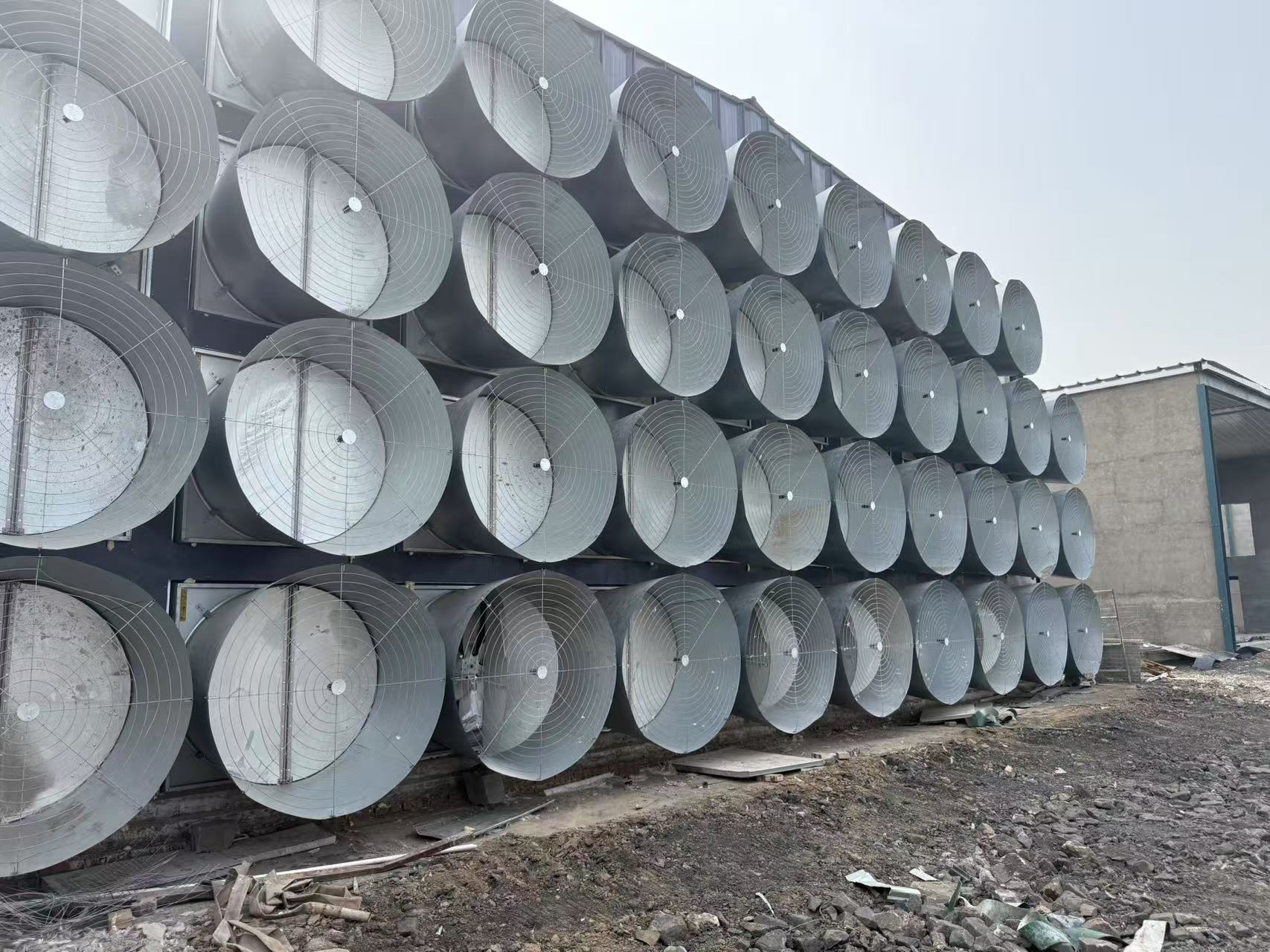
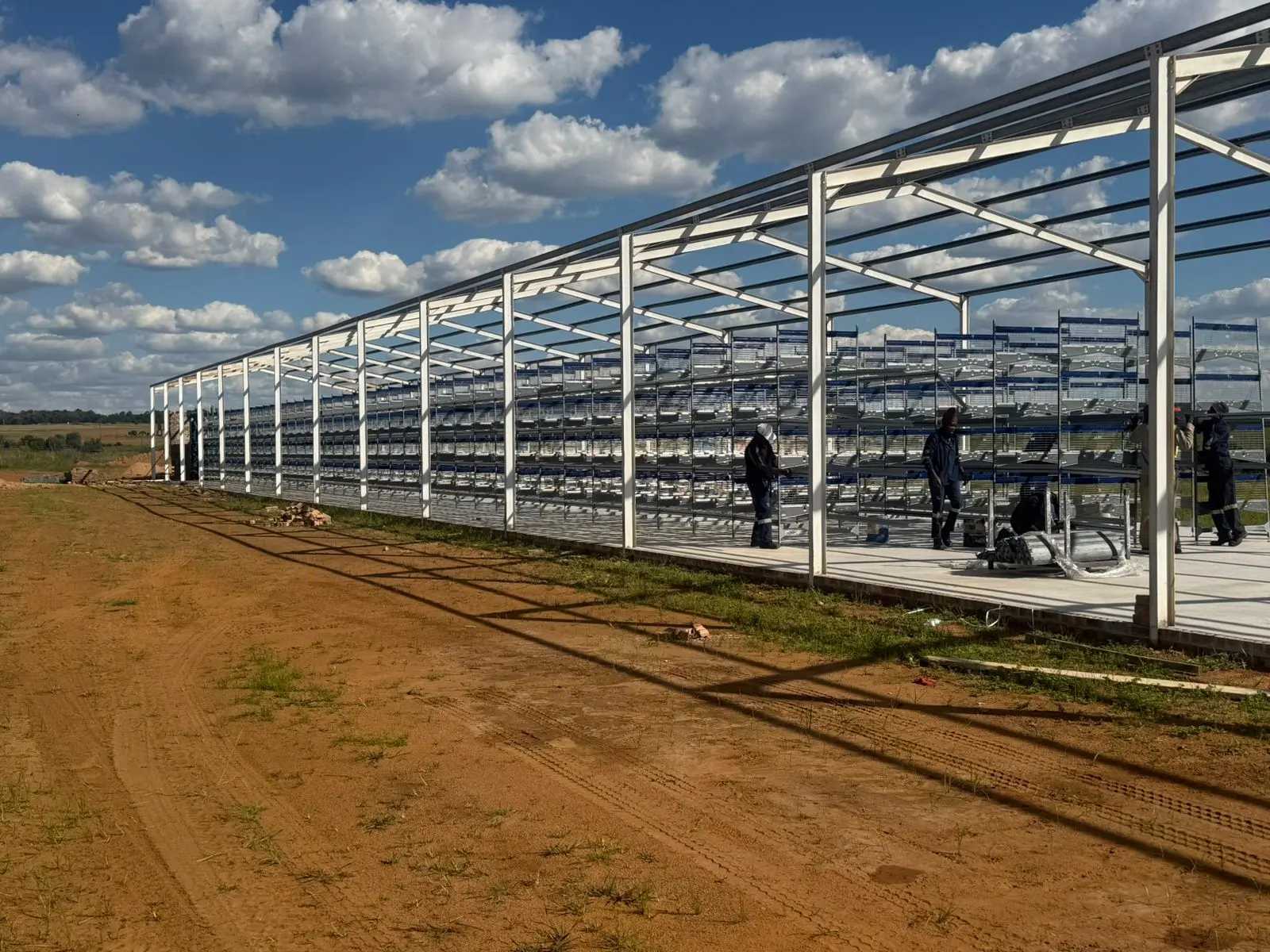
The house should be located in a well‑ventilated, sunny area with dry ground, away from pollution sources. Space should be planned based on stock size, roughly 1 square foot per bird. The structure must be sturdy, with good insulation and isolation. Floors should be hardened for easy cleaning. Ventilation windows, lighting, and temperature control devices are essential, along with shading and rain shelters. Isolation zones should be designed to prevent disease spread.
2. Feeding Management
• Feed and Water: Store feed in a dry, ventilated place to avoid mold. Formulate rations according to growth stages and feed at fixed times and amounts. Provide clean drinking water, clean pipelines regularly, and add vitamins to boost immunity when needed.
• Environment Control: Maintain 30°C during brooding, then gradually reduce. Control light duration and intensity, and ensure good ventilation while preventing drafts.
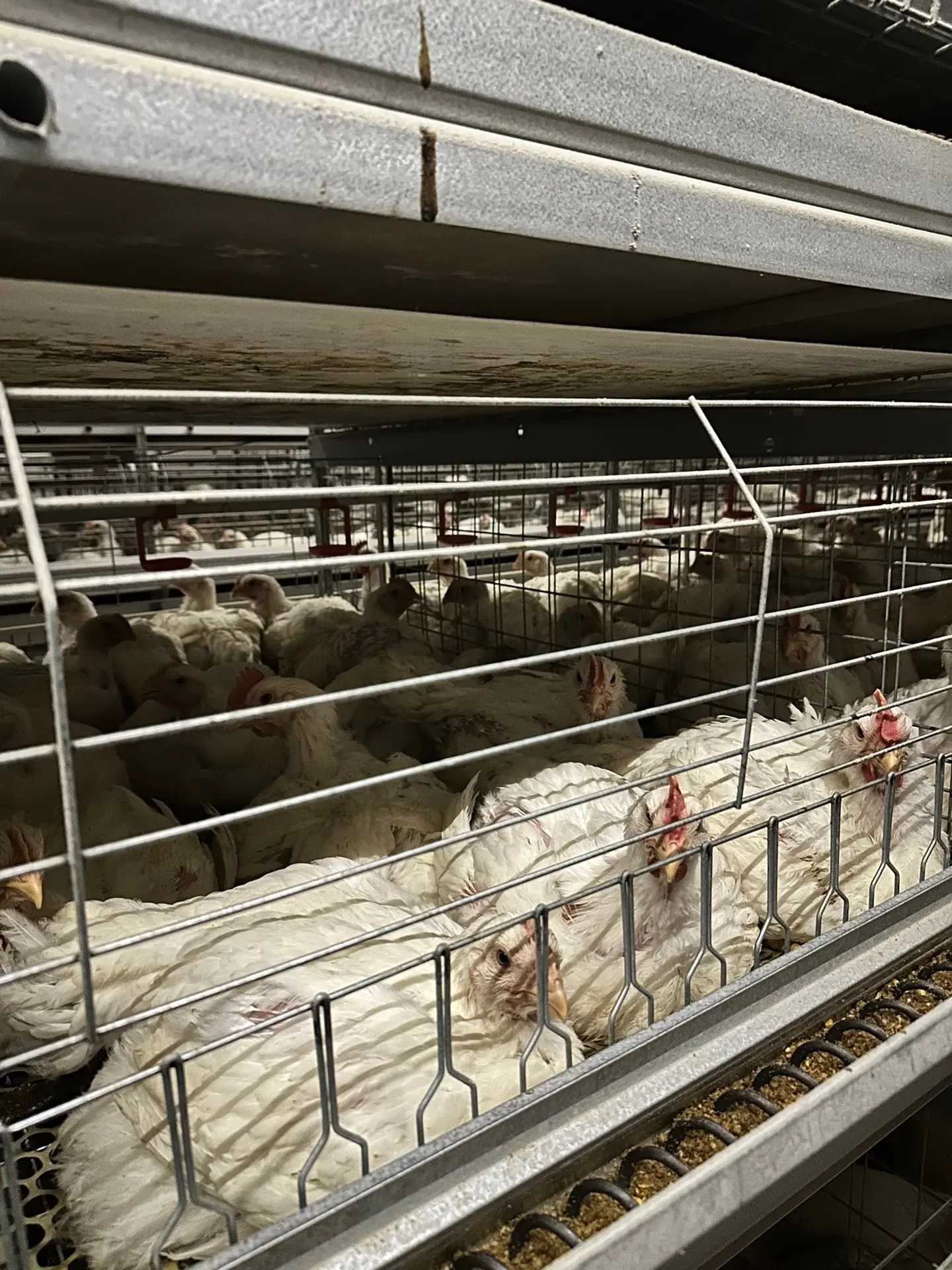
• Stocking Density and Hygiene: Keep proper density to avoid crowding. Remove manure regularly, observe flock status, and isolate sick or weak birds promptly.
3. Disinfection Measures
• Methods and Frequency: Common methods include spraying, fumigation, and water disinfection. For spraying, use two or more disinfectants alternately, maintain proper concentration and temperature (20‑40°C). Fumigation requires airtight sealing and sufficient exposure time. Water disinfection must differentiate between pipeline cleaning and internal disinfection concentrations. Routine disinfection: once a week in summer, once every 3 days in winter; increase frequency during disease outbreaks.
• Comprehensive Protection: Vehicle wheels and personnel must pass through disinfection pools. Equipment and utensils should be cleaned, then treated with flame and disinfectant. Ensure feed and water hygiene. Staff should undergo health checks and wear dedicated clothing.
• Record and “All‑in All‑out”: Keep a health record of vaccinations and medications. Strictly follow the “all‑in all‑out” system; after each batch, thoroughly clean and disinfect the house.
4. Equipment Maintenance
Inspect equipment regularly for operation, wear, and loose parts. Clean dust and manure, lubricate moving parts, and repair or replace faulty components promptly. Store idle equipment in a dry, ventilated place to ensure safety for next use.
5. Disease Prevention and Control
Implement an integrated health program including vaccination, preventive medication, and proper disposal of dead birds. Focus on major diseases such as avian influenza and Newcastle disease. In case of an outbreak, isolate sick birds immediately, strengthen disinfection, and follow regulations for carcass disposal. Observe the withdrawal period before sale.