
 +8618266221406



0102030405
Significant Differences Between Duck/Goose and Chicken Automatic Water Lines: High-Flow Angled Nozzles Become "Standard Equipment" for Waterfowl Farming
2026-05-15
In intensive poultry farming, the drinking water system is one of the core pieces of equipment in poultry houses. However, due to the physiological and behavioral differences between ducks/geese and chickens, there are significant distinctions in the design and selection of automatic water lines, requiring farmers to configure them scientifically based on the species.
Fundamental Differences in Drinking Methods
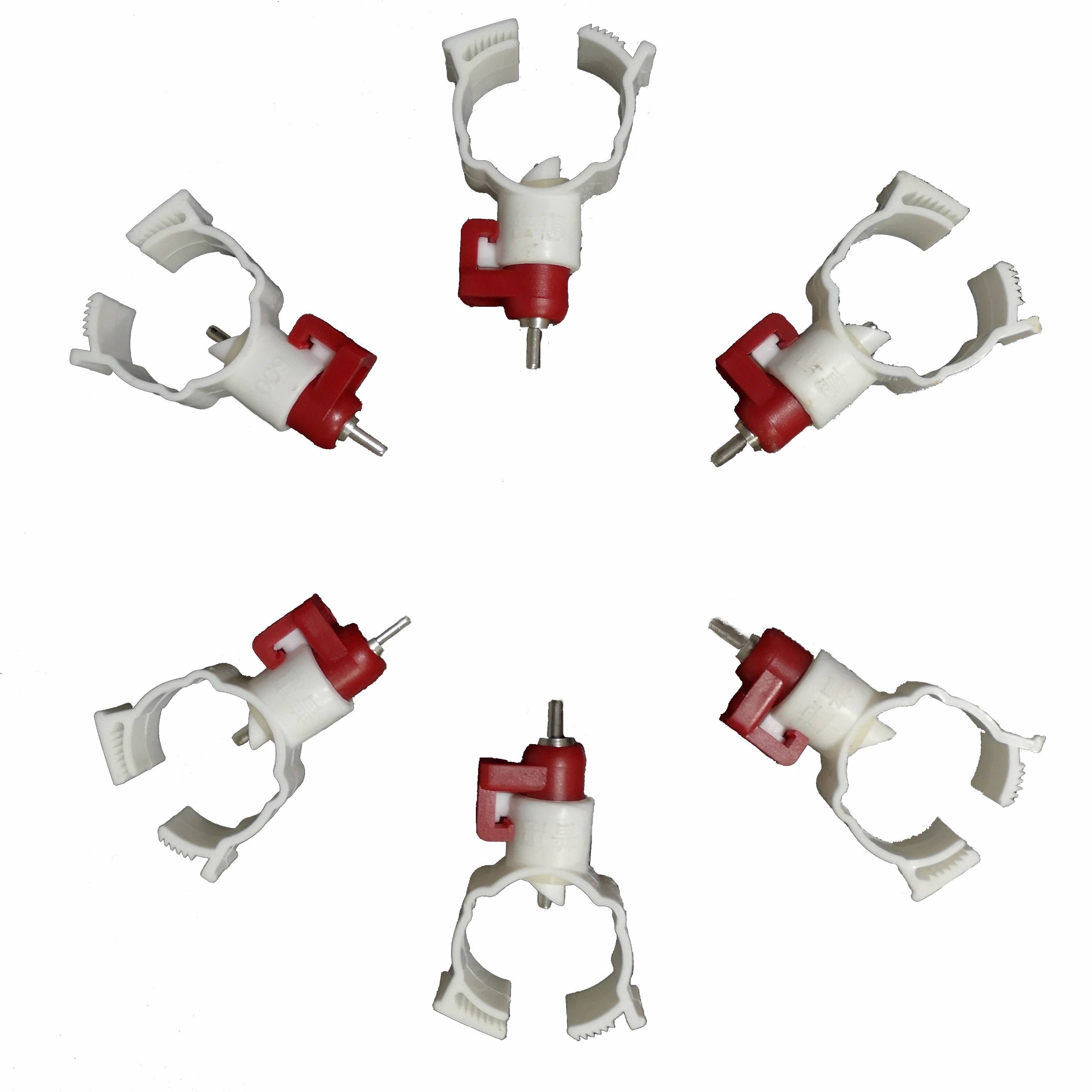
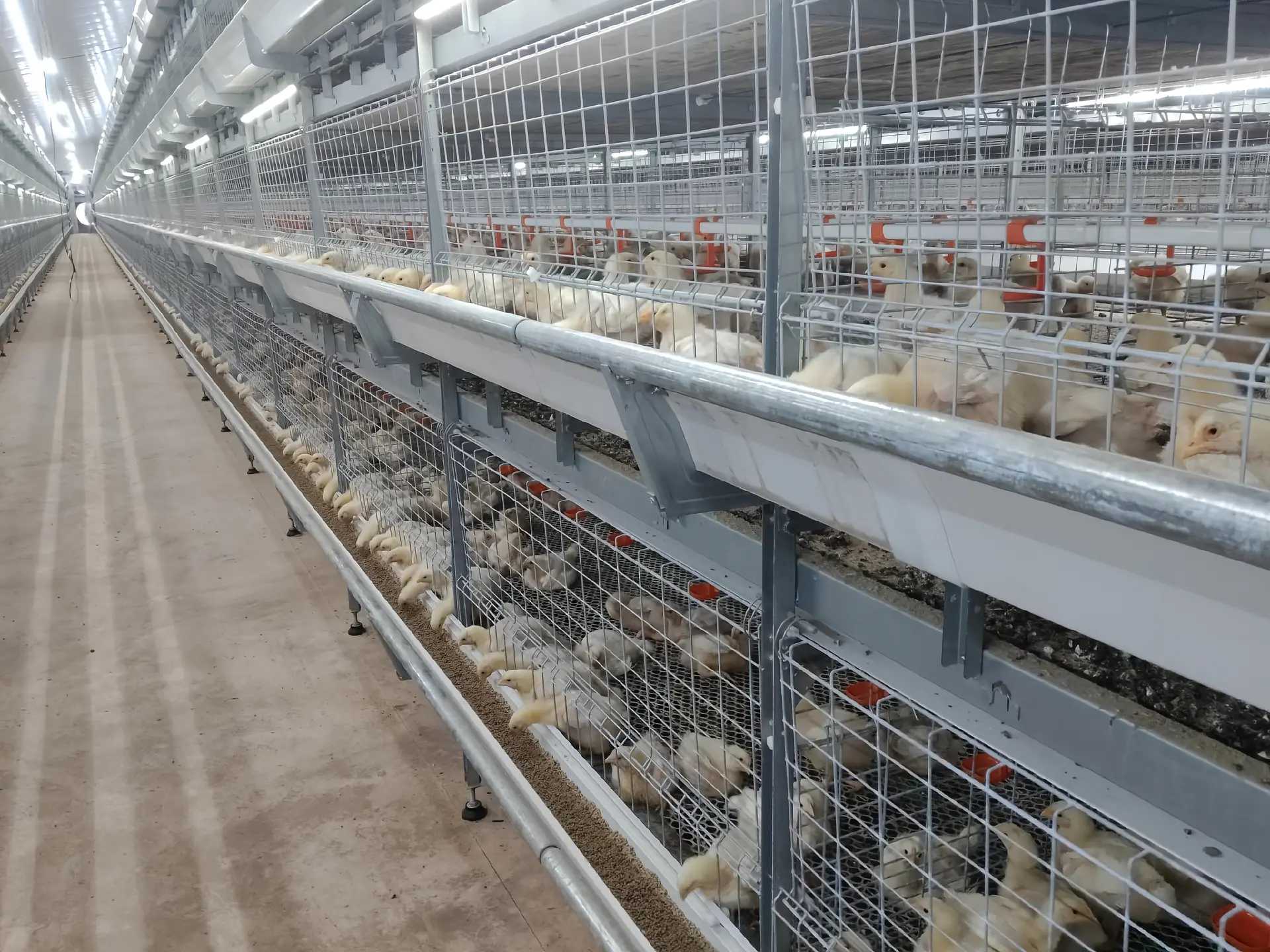
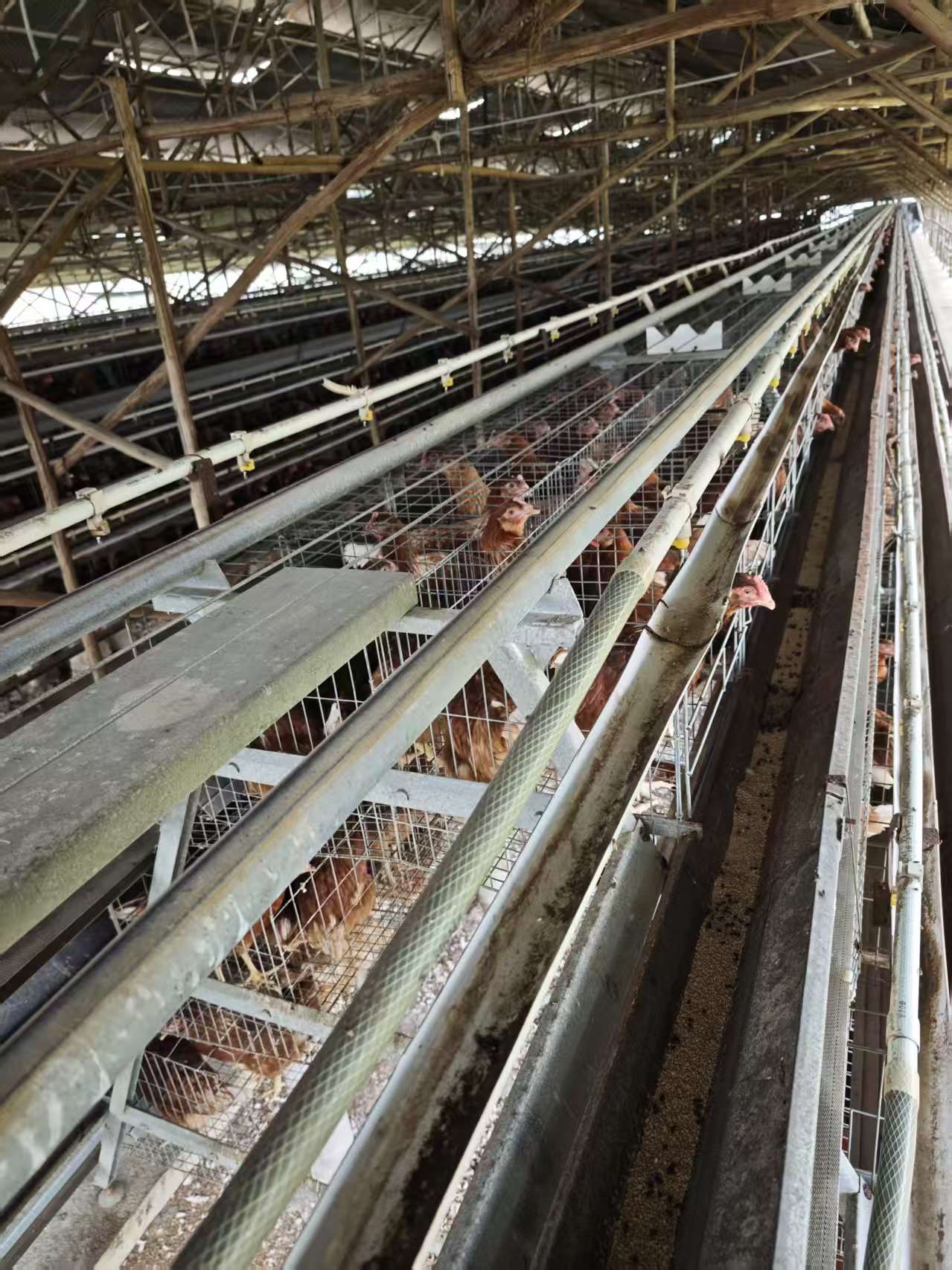
Chickens primarily use nipple drinkers, which are activated by pecking the valve stem. This is a "peck-to-drink" mode. A chicken drinking nipple can be triggered 360 degrees, with one nipple serving 8-12 broilers or 6-10 breeders. In contrast, ducks and geese are naturally fond of water and have an innate "playing" instinct. They are better suited for high-flow angled nozzles or duck-bill drinkers. Patented technology shows that duck-bill nipples feature a semi-flat structure that makes it easier for ducks to trigger the lever, allowing waterfowl to clean their nostrils and play in the water.
Differences in Water Flow Rate and Design
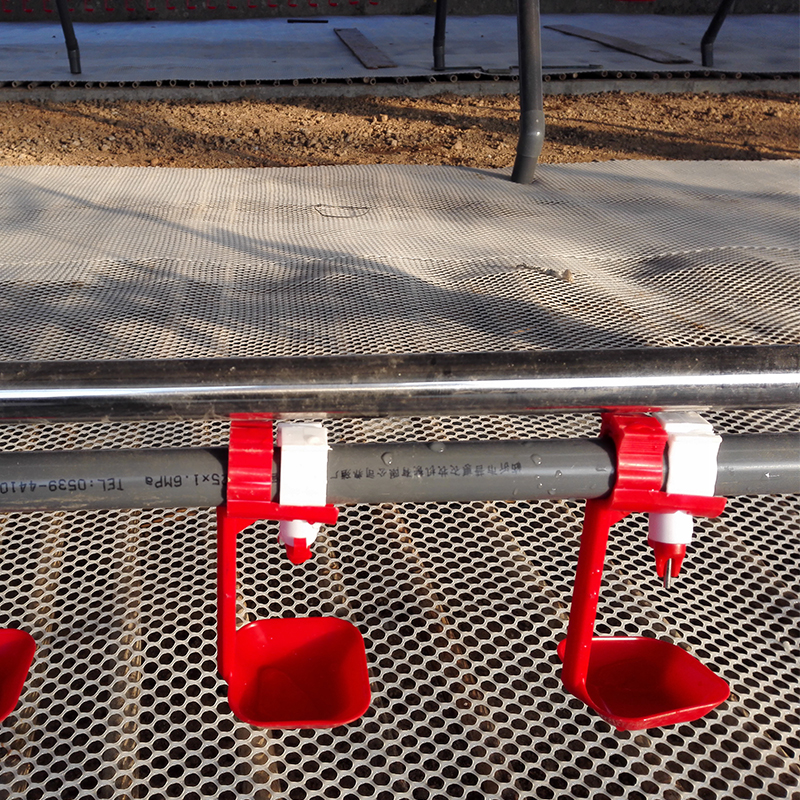
Chicken nipple drinkers focus on water conservation and environmental protection, using double-layer sealing structures to prevent dripping. In contrast, duck/goose water lines equipped with high-flow angled nozzles feature larger outlet diameters, delivering significantly greater water flow per unit of time to meet the higher water demands of waterfowl. Additionally, ducks and geese are stronger, so drinking devices must incorporate anti-trampling and anti-damage designs to improve durability.
Hygiene and Cost Considerations
Modern duck/goose water lines have solved the pollution issues of traditional troughs by installing drain ports and cleaning devices at both ends of the water supply pipe. When selecting equipment, farms should "customize" their systems according to the characteristics of each poultry species to achieve efficient and healthy farming. (End)