
 +8618266221406



0102030405
PP manure belt: manure cleaning technology and environmental protection in modern cage chicken farms
2025-10-10
PP Manure Belts: Manure Cleaning Technology and Environmental Protection in Modern Cage Chicken Farms
In modern large-scale cage chicken farms, PP manure belts, as an efficient and environmentally friendly manure cleaning device, have become a crucial piece of equipment for ensuring flock health and improving farming efficiency. They not only address many of the challenges associated with traditional manure cleaning methods, but also significantly reduce labor intensity through automated operation, creating an excellent environment for large-scale laying and broiler farming.
Working Mechanism and Technical Features of PP Manure Belts
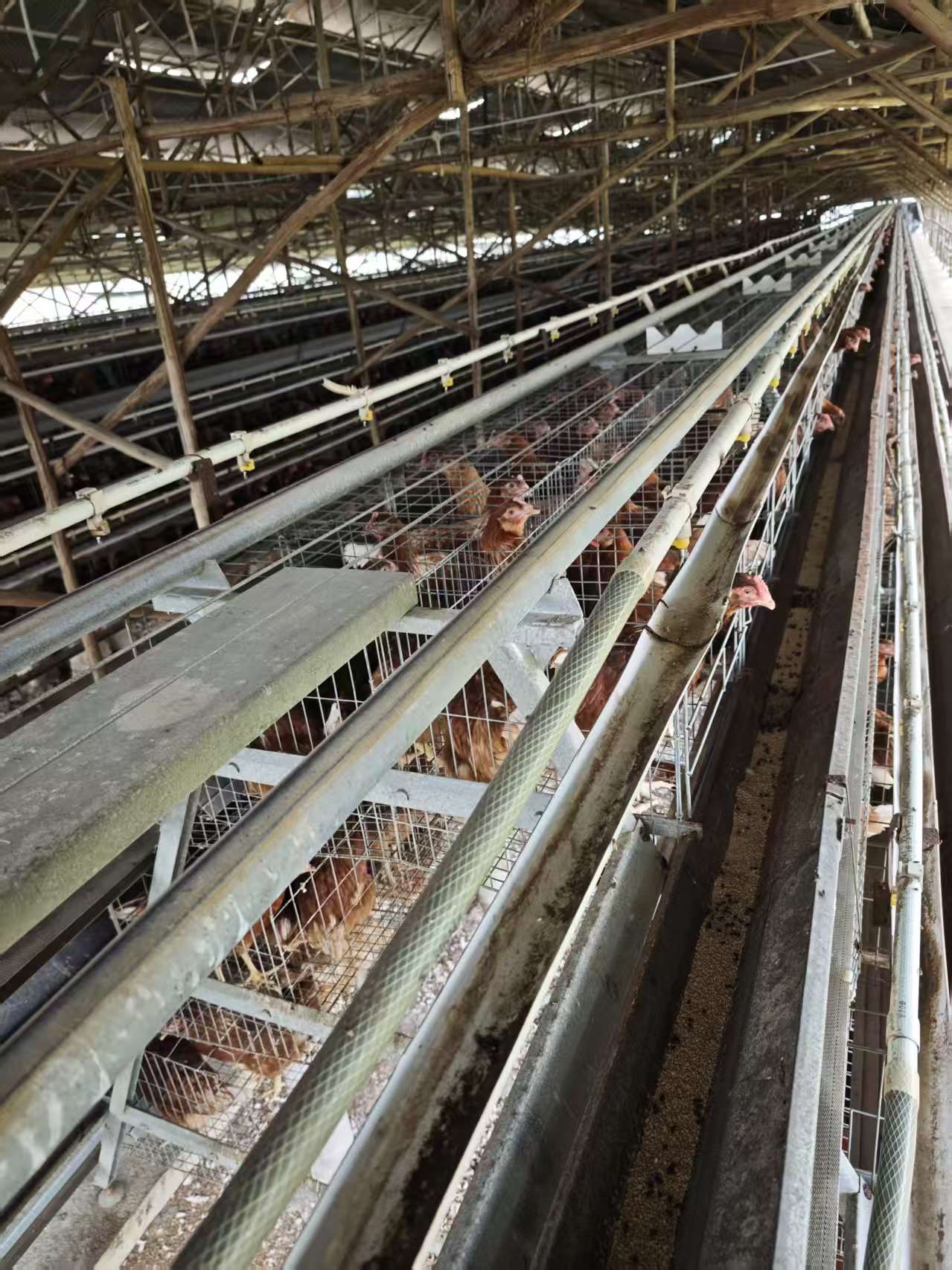
PP manure belts are plastic belt-type manure cleaning devices installed beneath each cage tier. Typically made of polypropylene, they are corrosion-resistant, strong, and easy to clean. In modern cage chicken houses, PP manure belts are installed at the bottom of each cage tier to directly collect manure excreted by the chickens.
When the device is in operation, a drive motor drives the movable slider along the rails. Driven by a transmission mechanism, the PP manure belts slowly move, transporting manure to the end of the chicken house. Advanced systems are equipped with specialized scrapers. The large scraper is fixed, while the smaller scraper rotates via a lever. This ensures effective manure removal during both forward and reverse movements, while preventing residual manure from falling into the feed trough.
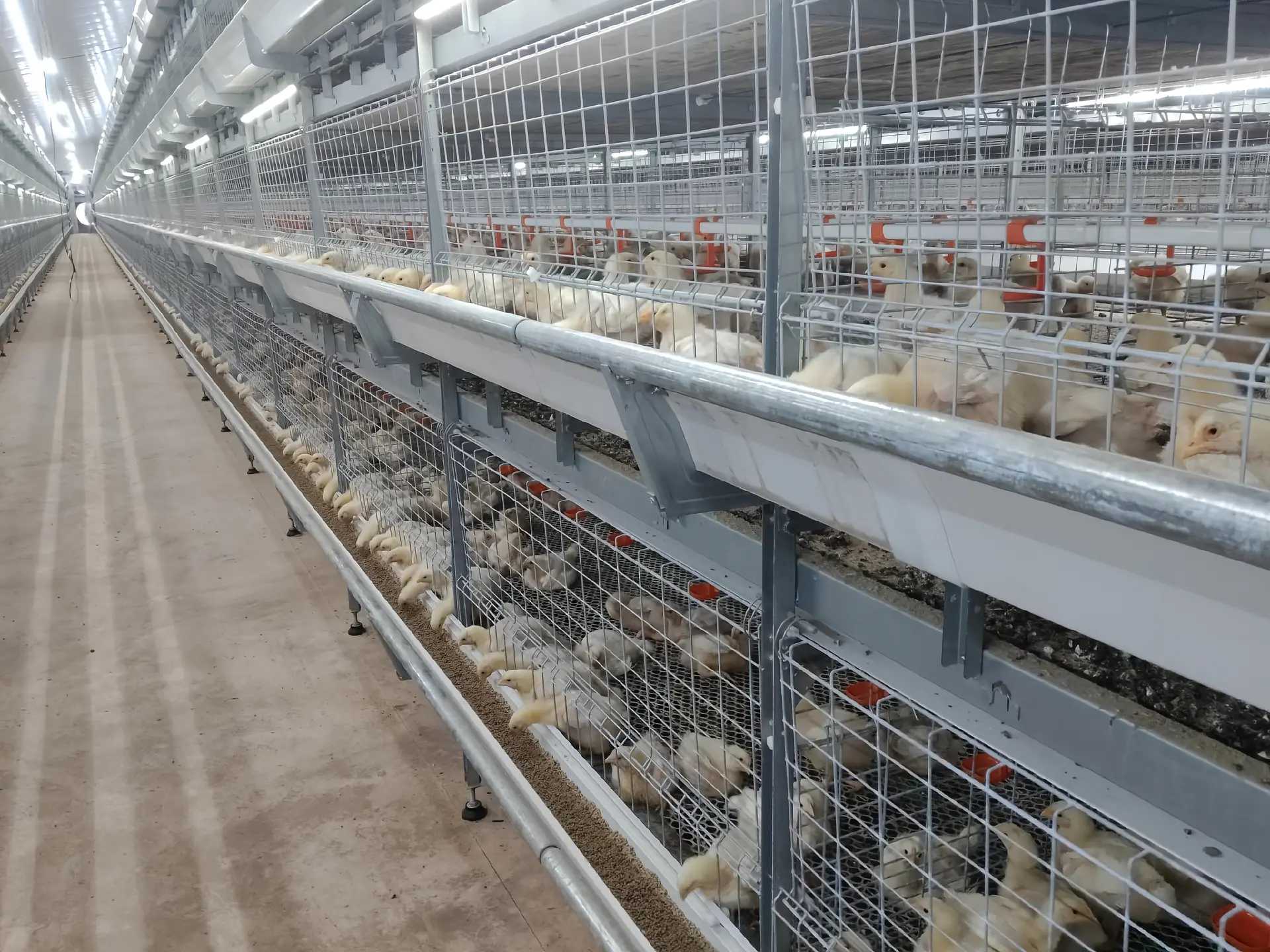
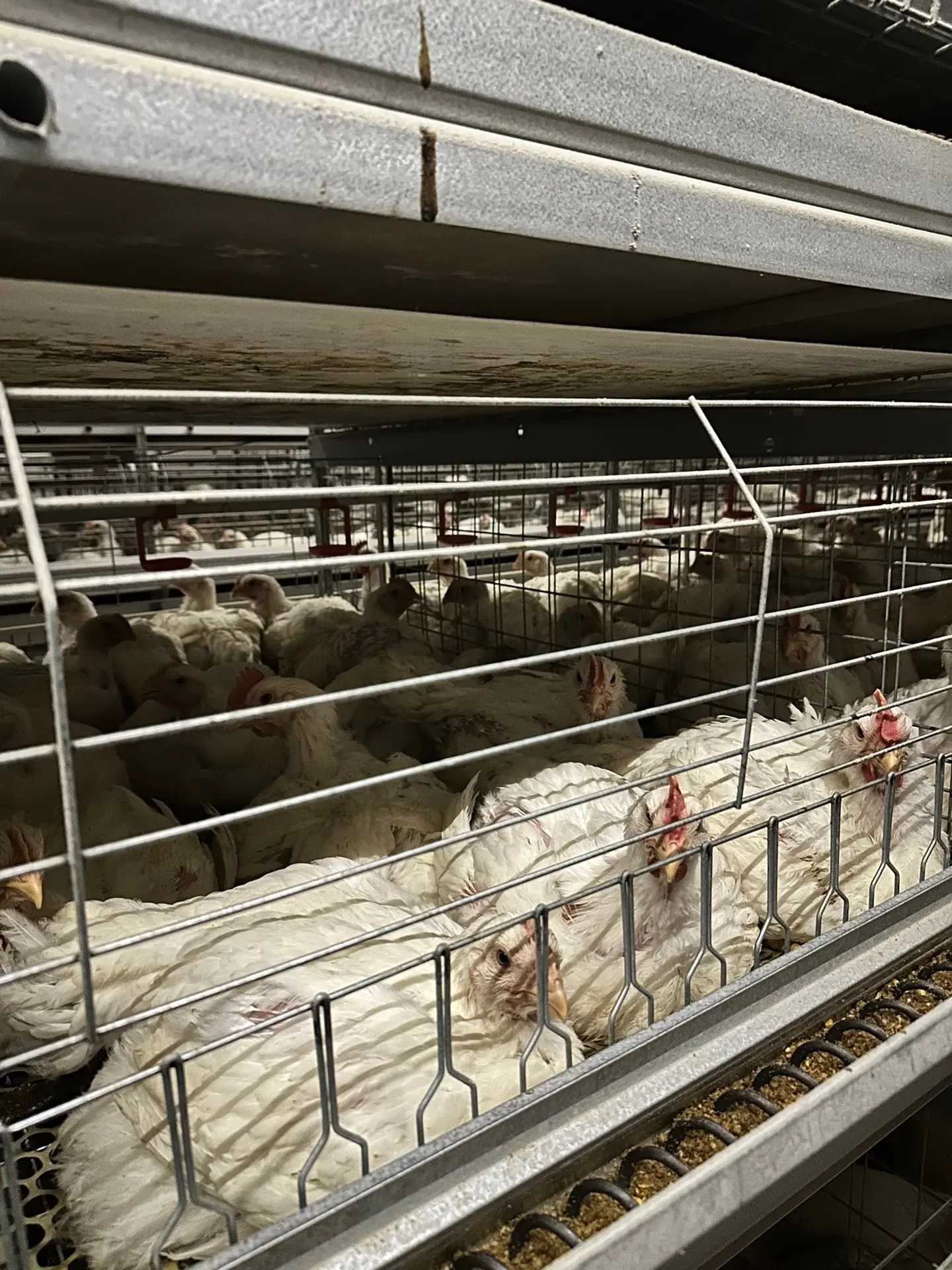
PP manure belt systems can be used in both stepped and stacked cage systems. In stacked cage systems, a longitudinal manure belt is installed beneath each tier of cages. Manure falls directly onto the belt. The vertical air flow carries most of the moisture out of the manure, significantly reducing its moisture content.
The Key Role of PP Manure Belts in Layer and Broiler Farming
1. Improving Flock Health
PP manure belt systems remove manure promptly, preventing accumulation within the chicken house, thereby significantly reducing the concentration of harmful gases such as ammonia and hydrogen sulfide. High concentrations of ammonia can damage the respiratory mucosa of chickens, increasing the risk of disease. By keeping the air fresh within the chicken house, PP manure belts create a favorable growth environment for the chickens and reduce the incidence of respiratory diseases.
In stacked chicken coops, because the manure is dried in layers within the chicken house, preventing fermentation, and because it is cleaned thoroughly each time, the ammonia concentration within the chicken house is extremely low, the air inside the house is fresh, creating favorable growth conditions for the chickens and reducing the incidence of disease.
2. Improved Farming Management Efficiency
The PP manure belt system automates manure removal, significantly reducing the labor intensity of manual manure removal. Traditional manual manure removal is time-consuming and labor-intensive, especially in stacked chicken coops, where the large amount of manure generated on the bottom layer is difficult to remove. The PP manure belt system eliminates manual intervention throughout the entire process, saving farming costs.
Some advanced chicken coops combine feeding and manure removal functions. As the movable slider, carrying the bracket, slides along the rails, feed from the storage bin flows continuously through the feed pipe into each trough on each layer. Simultaneously, a manure scraper gradually scrapes manure off the PP belt as the bracket slides, further improving efficiency.
3. Improving the Resource Utilization Value of Chicken Manure
The PP manure belt system effectively preserves the pristine state and nutrient content of chicken manure. Unlike traditional scraping methods, which can easily leave manure smeared on the receiving belt, the PP manure belt system reduces the adhesion of manure to equipment, making it easier to collect and centrally process.
The tiered collection of chicken manure is drier and purer, making it easier to sell directly or process it into organic fertilizer, generating additional income for the farm. Furthermore, dry manure has minimal environmental impact.
Comparison of Manure Removal Systems in Different Farming Models
In stepped cage systems, manure removal methods include scraper removal and belt removal. This system offers large, open areas on each tier of cages, providing excellent ventilation. However, it also presents challenges such as low stocking density, large floor space requirements, and the risk of manure from upper tiers dripping onto the chickens below.
In stacked cage systems, PP manure belts are installed beneath each tier of cages, ensuring tiered manure removal and preventing cross-contamination between tiers. This model occupies a small footprint, offers high space utilization, and facilitates intensive and large-scale farming, although it requires a closed chicken house and an automatic temperature control system.
Technical Maintenance and Precautions for PP Manure Conveyor Systems
Regular maintenance is essential to ensure the long-term and stable operation of the PP manure conveyor system. Lubricate the transmission components, such as the drive sprocket and gears, monthly.
During operation, some common faults may occur, such as only the drive roller moving while the manure conveyor belt does not move. This may be caused by excessive manure, loose contact between the rubber roller and the drive roller, or foreign matter stuck in the manure conveyor belt. Remove the foreign matter promptly and operate the manure conveyor belt regularly.
Also, if the manure on the manure conveyor belt is thin, it may be due to a leaking waterer or improper connection of the water trough. Check the watering system promptly to ensure proper operation.
Conclusion
As an essential component of modern poultry farming, the PP manure conveyor system significantly improves the indoor environment and reduces disease risks through automated and clean manure removal. It also increases labor efficiency and the resource utilization value of chicken manure. As the livestock industry continues to develop towards larger-scale and more intensive operations, PP manure belt technology will continue to provide strong support for the healthy farming of both laying hens and broilers, promoting sustainable development in the livestock industry.
Whether raising laying hens or broilers, selecting the right PP manure belt system, combined with scientific feeding and management practices, can bring significant economic and environmental benefits to the farm, making it an indispensable piece of technical equipment for modern poultry farms.