
 +8618266221406



0102030405
Poultry Farms Transform into "High-Tech Factories": How is Intelligence Reshaping the Poultry Industry?
2025-12-18
Poultry Farms Transform into "High-Tech Factories": How is Intelligence Reshaping the Poultry Industry?
In the modern chicken coops of Tibet Hongnong, hens feed in a precisely temperature-controlled environment, their daily lives and egg-laying data are transformed in real-time into data on the production line. The seemingly simple poultry industry is undergoing a profound technological revolution.
In the egg-laying chicken farm in Baidangli, Anhui Province, robotic arms handle feed delivery and egg collection; in the broiler farm in Fangchenggang, Guangxi, AI cameras identify the health status of the flock; and in Fujian Hengliang Company's full-产业链 (full-industry chain) park, eggs come off the production line and go directly into the packaging workshop, with some being processed into high-value-added products such as liquid eggs and egg powder.
These farms, once considered traditional agricultural operations, are becoming model projects integrating digitalization, intelligence, and circular agriculture.
01 Industry Transformation
From the Tibetan Plateau to the southeastern coast, China's poultry industry is reshaping its traditional image. At Tibet Hongnong's fully intelligent Tibetan chicken breeding base, breeders no longer face flocks of chickens, but rather the data displayed on the large screens in the central control room.
Temperature, humidity, ventilation, lighting, feed ratio, egg-laying rate, and chicken activity – every parameter is precisely captured by sensors, forming a complete dynamic picture of the farming process.
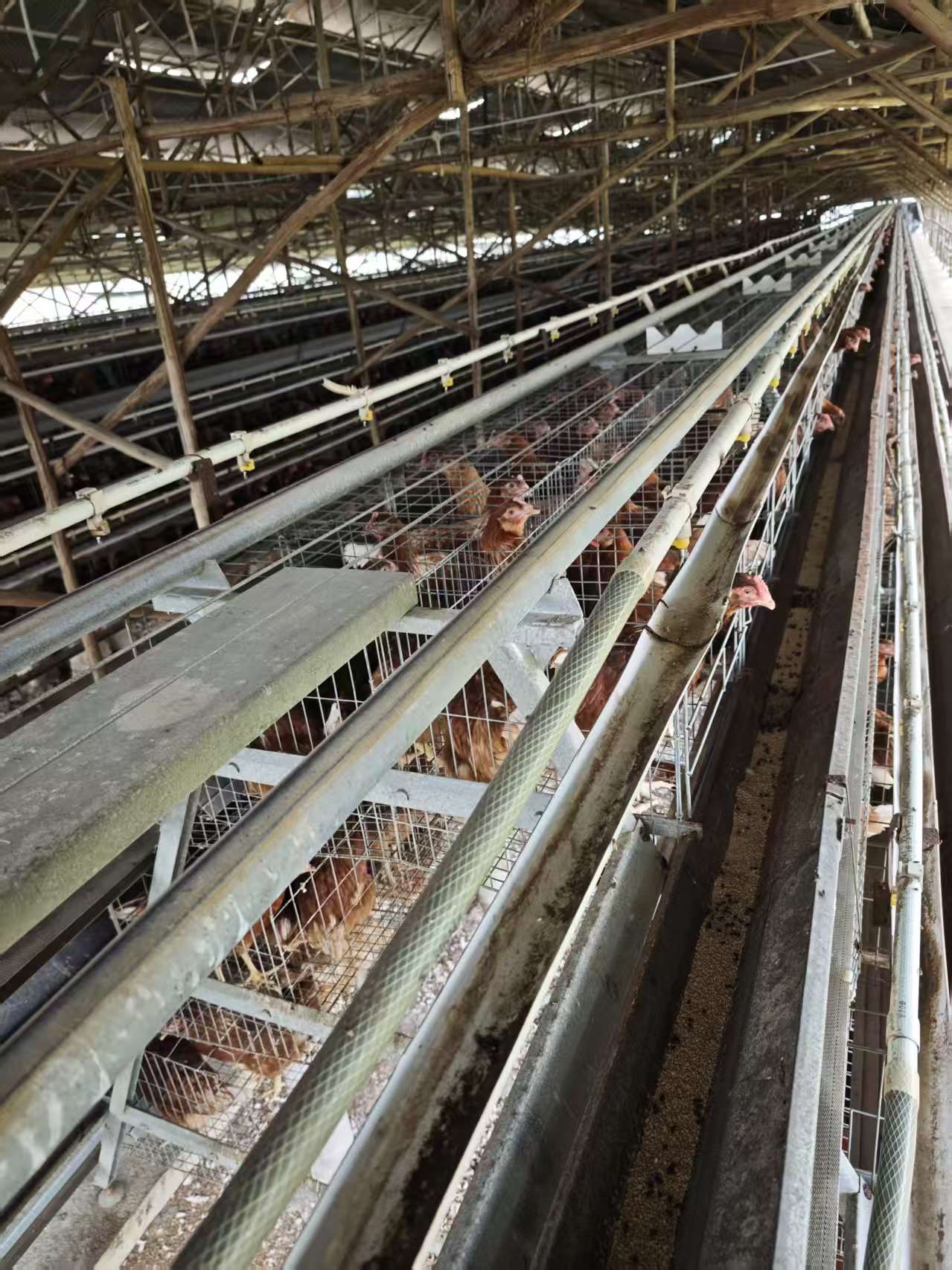
In this multi-million dollar breeding base, breeders only need to inspect equipment and check system alarms. From feeding and watering to manure removal and egg collection, everything is completed by automated equipment.
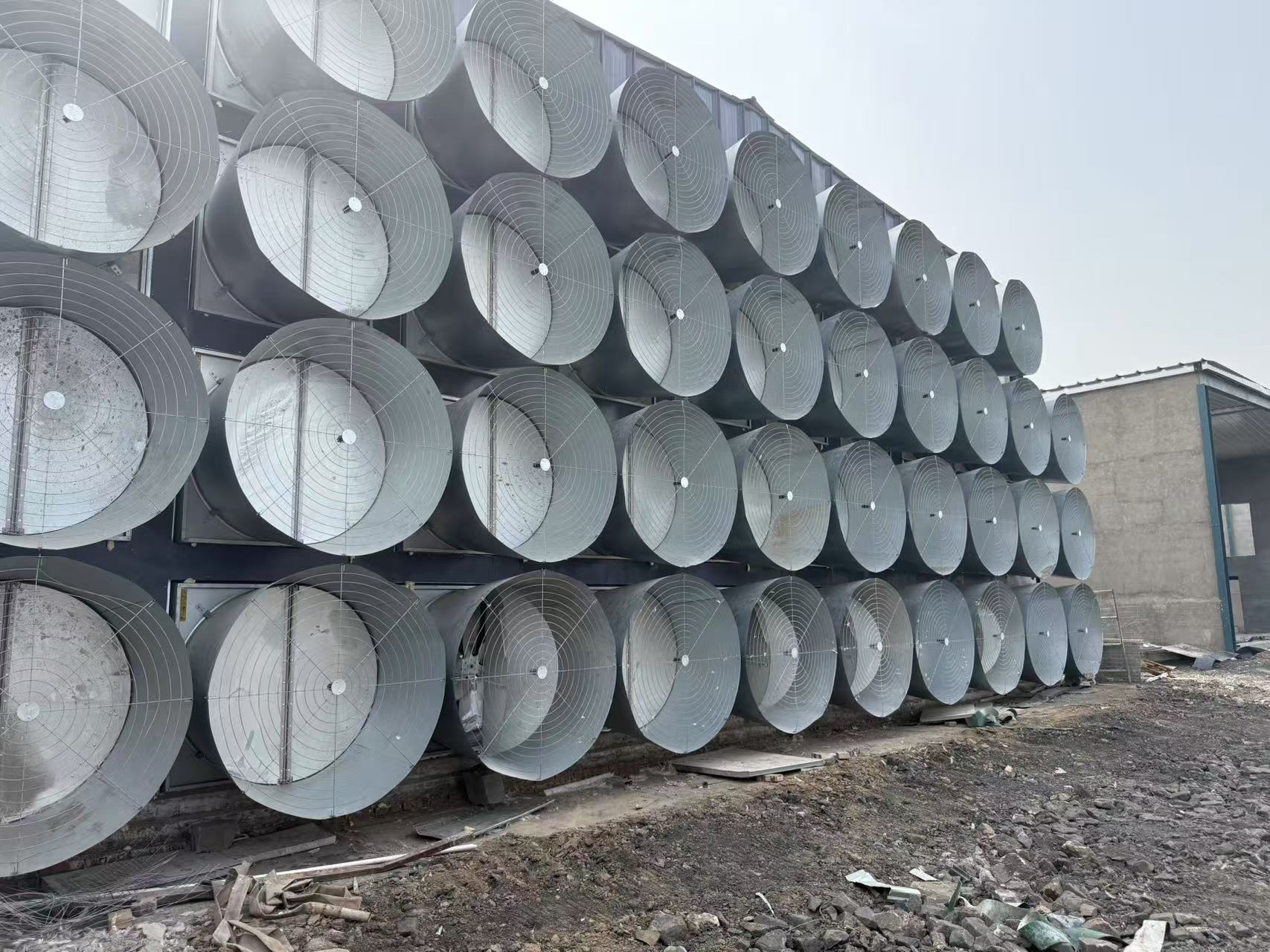
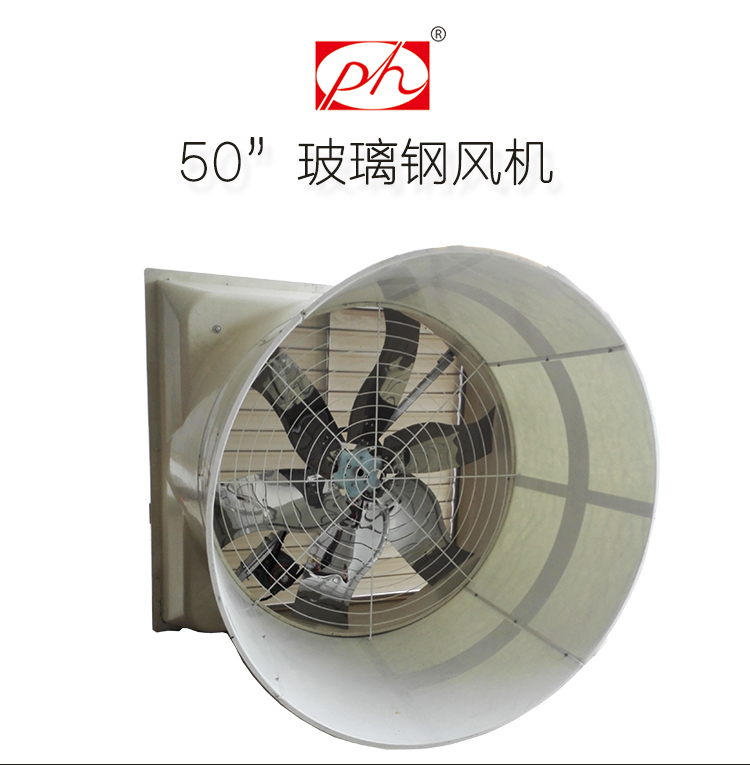
The environmental control system ensures that the chicken coop maintains the most suitable conditions for chicken growth year-round, reducing disease occurrence from the source and making large-scale farming possible in high-altitude areas.
02 Model Exploration
Currently, modern poultry farming mainly presents three mainstream models, adapting to the needs of investors with different capital levels and business objectives.
The ultra-large-scale full-industry chain model is a capital-intensive option. The breeding park invested and built by Fujian Hengliang Company forms a complete closed loop from feed production, breeding stock cultivation, egg-laying chicken farming to egg processing and organic fertilizer production.
This model also offers a richer product line. In addition to traditional fresh eggs, it has developed high-value-added products such as liquid eggs, egg powder, and specialized egg liquid suitable for different consumption scenarios.
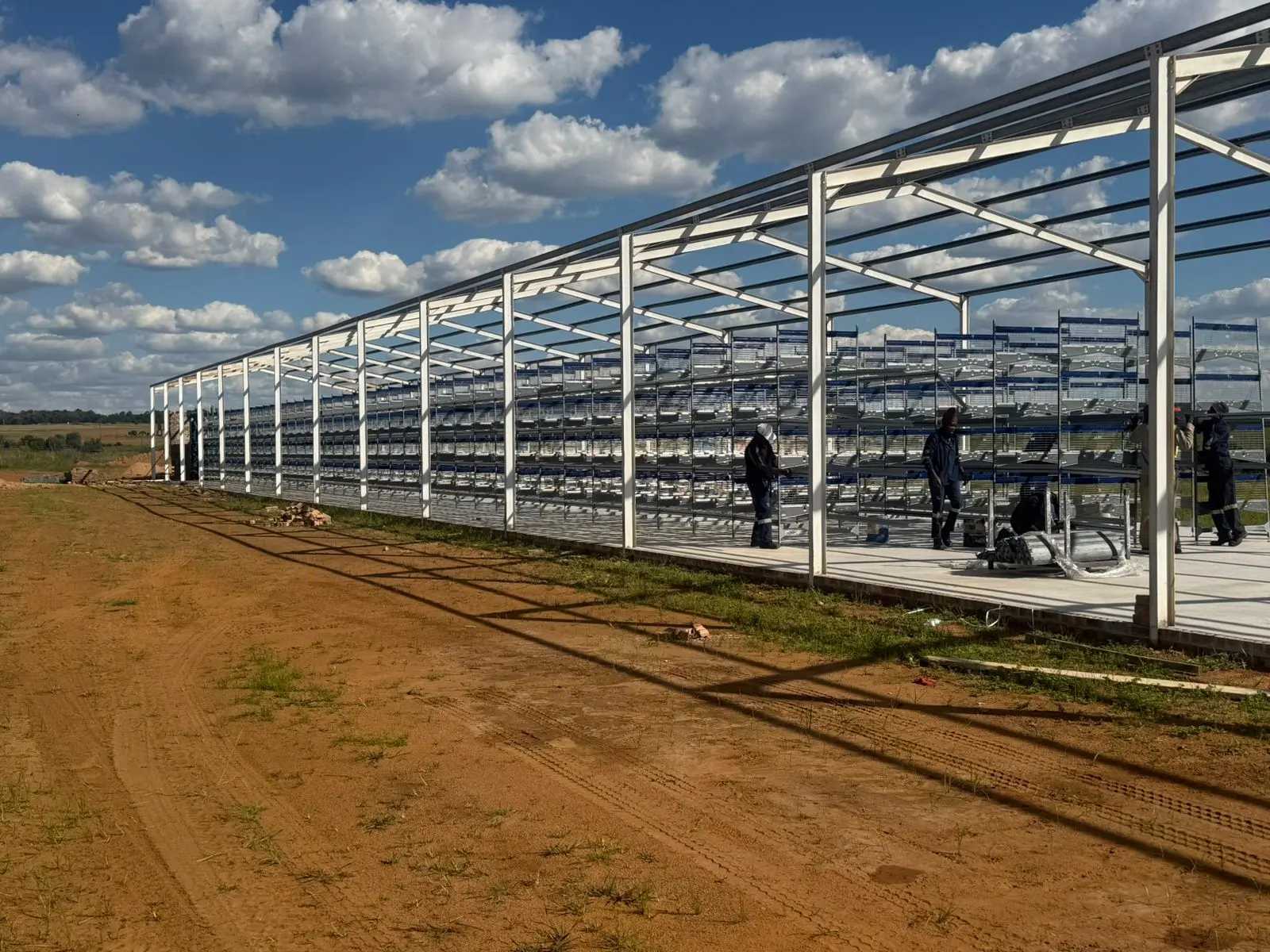
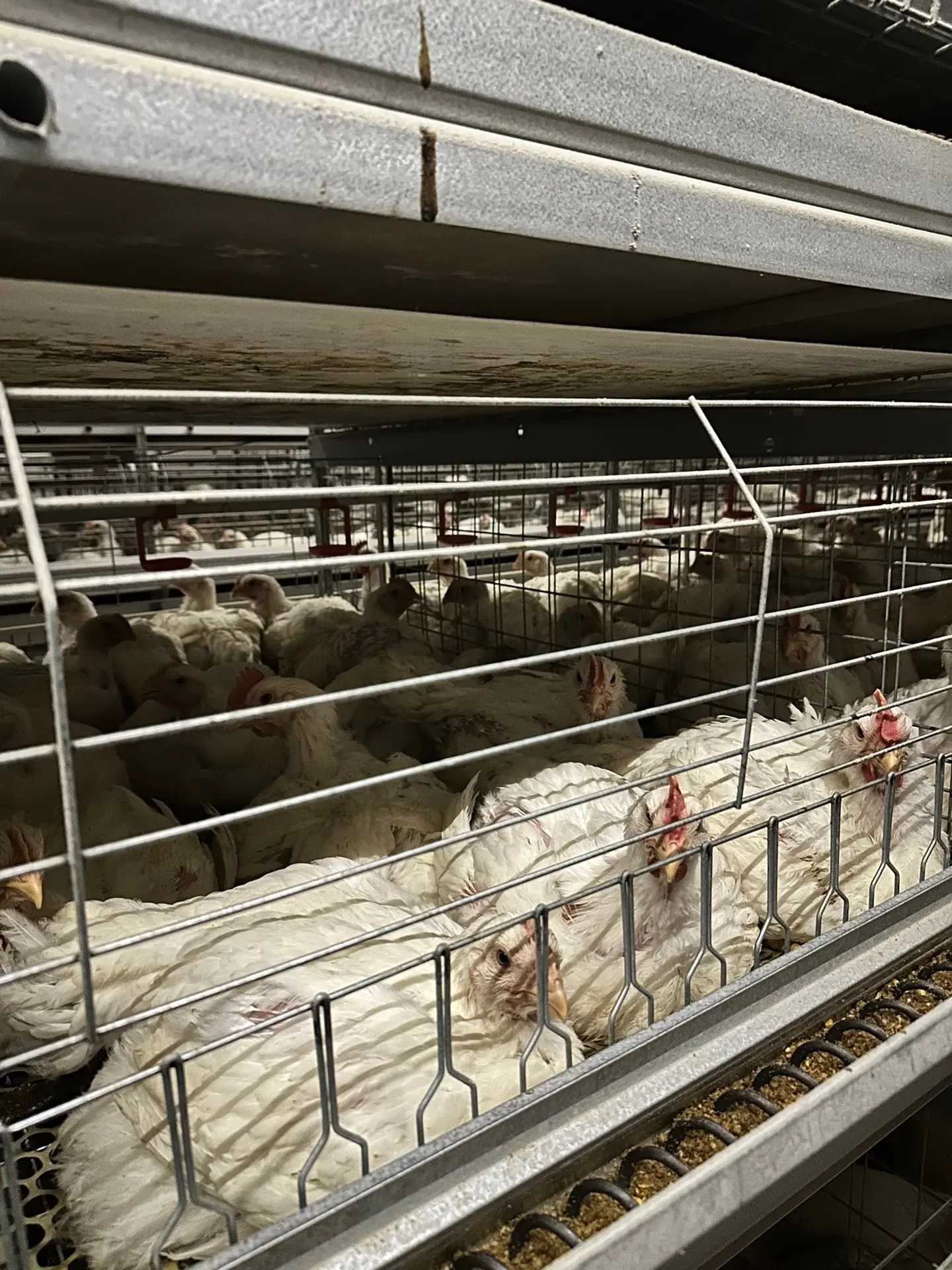
For medium-sized investors, automated chicken coops are the most cost-effective option. The project in Baidangli, Anhui Province, has built an automated chicken farm capable of housing 50,000 laying hens on 10 mu (approximately 1.65 acres) of land, with a total investment of approximately 5 million yuan.
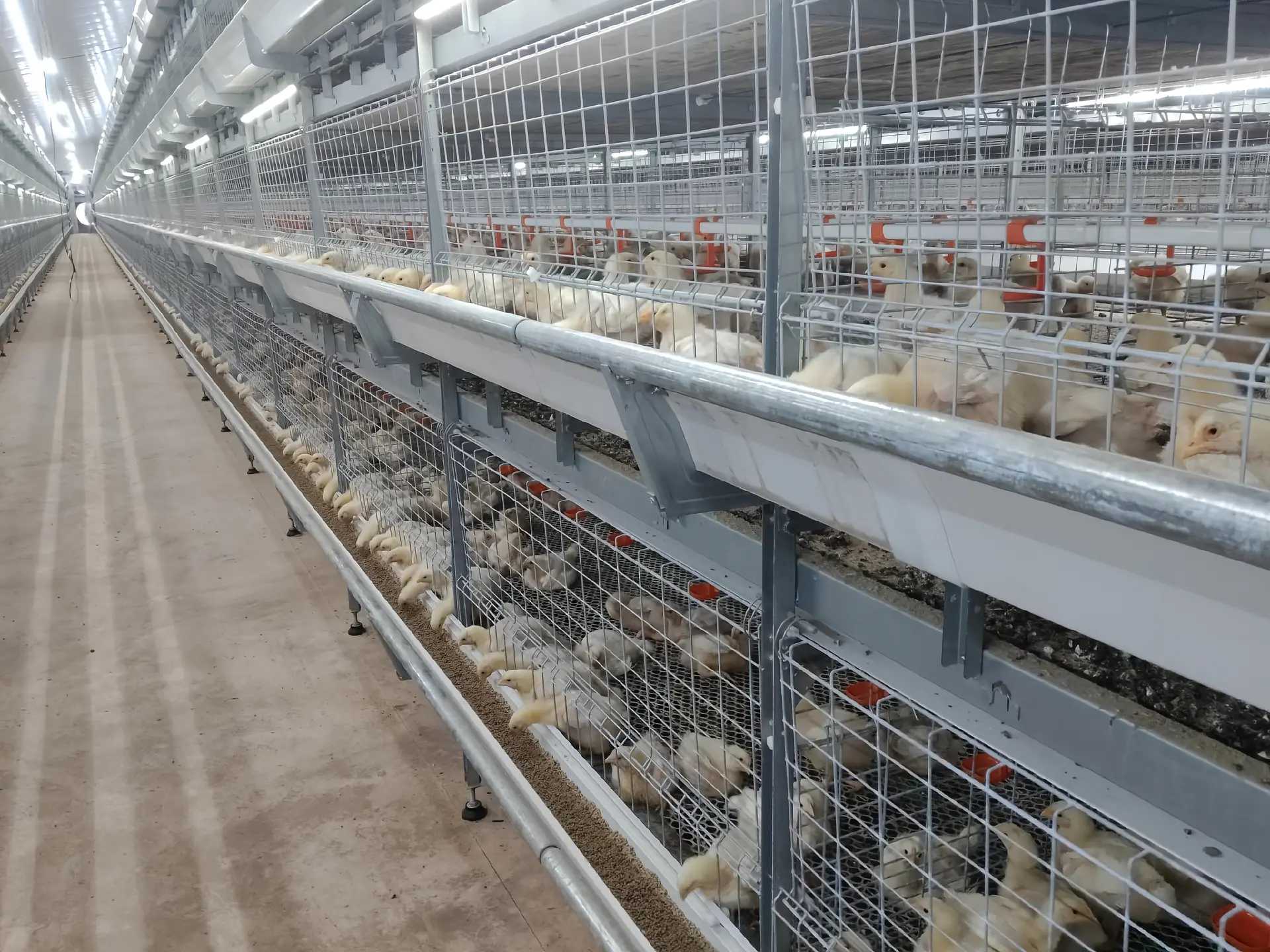
By using a multi-tiered cage system, automatic feeding, watering, temperature control, egg collection, and manure removal are achieved, resulting in an annual production of approximately 15 million eggs, with an annual output value of 9 million yuan at market prices.
The "company + farmer" contract farming model lowers the barrier to entry for farmers. Wen's cooperative farmers in Guangxi only need to build standard chicken coops; the company provides chicks, feed, medicine, and technical guidance, and buys back the finished broiler chickens at a guaranteed price.
03 Input and Output
The core equipment investment in modern chicken farming is mainly concentrated in automated systems, with a complete set of automated farming equipment typically accounting for more than 60% of the total project investment.
Taking a 50,000-laying hen farm as an example, the construction of chicken coops and equipment investment requires approximately 3-4 million yuan. Adding land rent and working capital, the total investment is about 5 million yuan.
However, high investment brings high efficiency and high returns. In the traditional manual farming model, one person can manage a maximum of 3,000-5,000 chickens; in an automated farm, one person can easily manage 50,000-100,000 chickens, increasing efficiency by more than 10 times.
From an output perspective, one laying hen produces approximately 20 kilograms of eggs per year, and 50,000 laying hens can produce 1,000 tons of eggs annually. Based on current market prices, the annual output value is approximately 8-9 million yuan.
After deducting costs such as feed, labor, utilities, and equipment depreciation, the net profit margin can reach 15%-20%, and the investment payback period is approximately 4-5 years. Broiler chicken farming has a shorter cycle and faster capital turnover, but the profit margin is relatively lower.
04 Technological Breakthroughs
At Fujian Hengliang's breeding base, the chicken manure produced in the chicken coops is directly transported to the organic fertilizer processing workshop through sealed pipes. After high-temperature fermentation and sterilization, it is transformed into high-quality organic fertilizer, achieving the resource utilization of breeding waste. This "breeding-fertilizer-planting" circular agricultural model not only addresses environmental issues but also opens up new revenue streams for businesses.
In Fangchenggang, Guangxi, a chicken farm has introduced an AI-based chicken flock health monitoring system. High-definition cameras capture the chickens' activities in real time, and image recognition algorithms can detect abnormal behavior in the flock up to 48 hours in advance, providing early warning of potential disease outbreaks.
The system can also automatically adjust feed formulas and feeding amounts based on the chickens' growth stage and seasonal changes, achieving precise nutritional supply.
In Sichuan, a breeding company is even experimenting with equipping some chickens with wearable devices to monitor individual activity levels, feeding patterns, and physiological indicators, providing more detailed data support for optimizing breeding management.