
 +8618266221406



0102030405
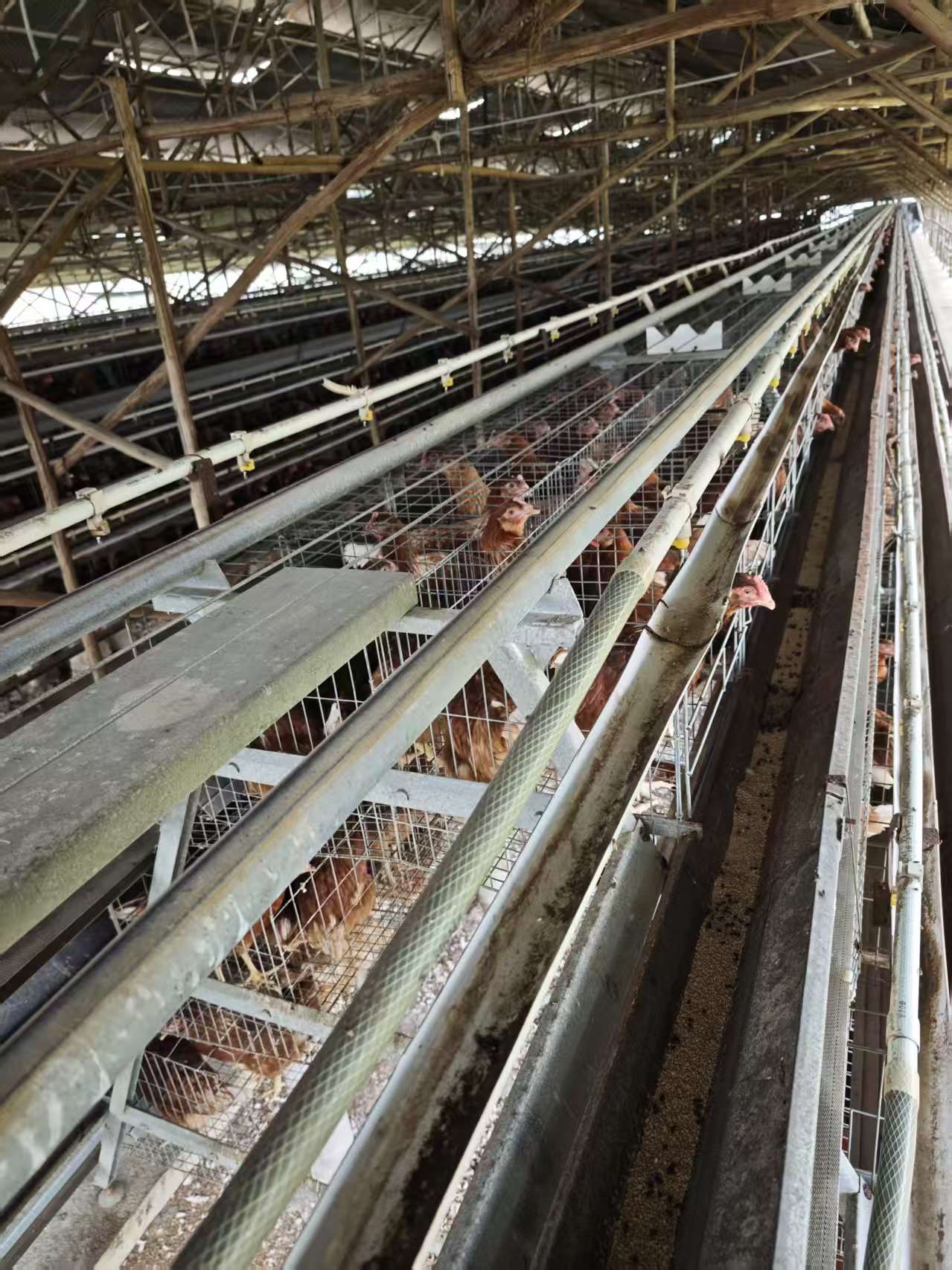
Multi-layer Stepped Laying Chicken Cage A-shaped Cascade Chicken Cage, Chicken Cage for Chicken Coop Farms
2025-11-21
Multi-tiered Laying Hen Cages Lead the Revolution in Poultry Farming: A Win-Win Situation for High-Efficiency Production and Animal Welfare
Faced with the continued growth in global egg consumption, the A-type laying hen cage, with its high space utilization and significantly improved egg collection efficiency, is becoming the choice of an increasing number of farmers.

Against the backdrop of ever-increasing egg consumption demand, the poultry farming industry is actively improving production efficiency and animal welfare through technological innovation. Among these innovations, the multi-tiered A-type laying hen cage, due to its unique design and significant space optimization effect, continues to see its global market share climb.
According to the latest market research report, the global market size for tiered rearing equipment reached $279 million in 2024 and is projected to grow to $354 million by 2032.
01 Design Features: Balancing Space Optimization and Efficient Management
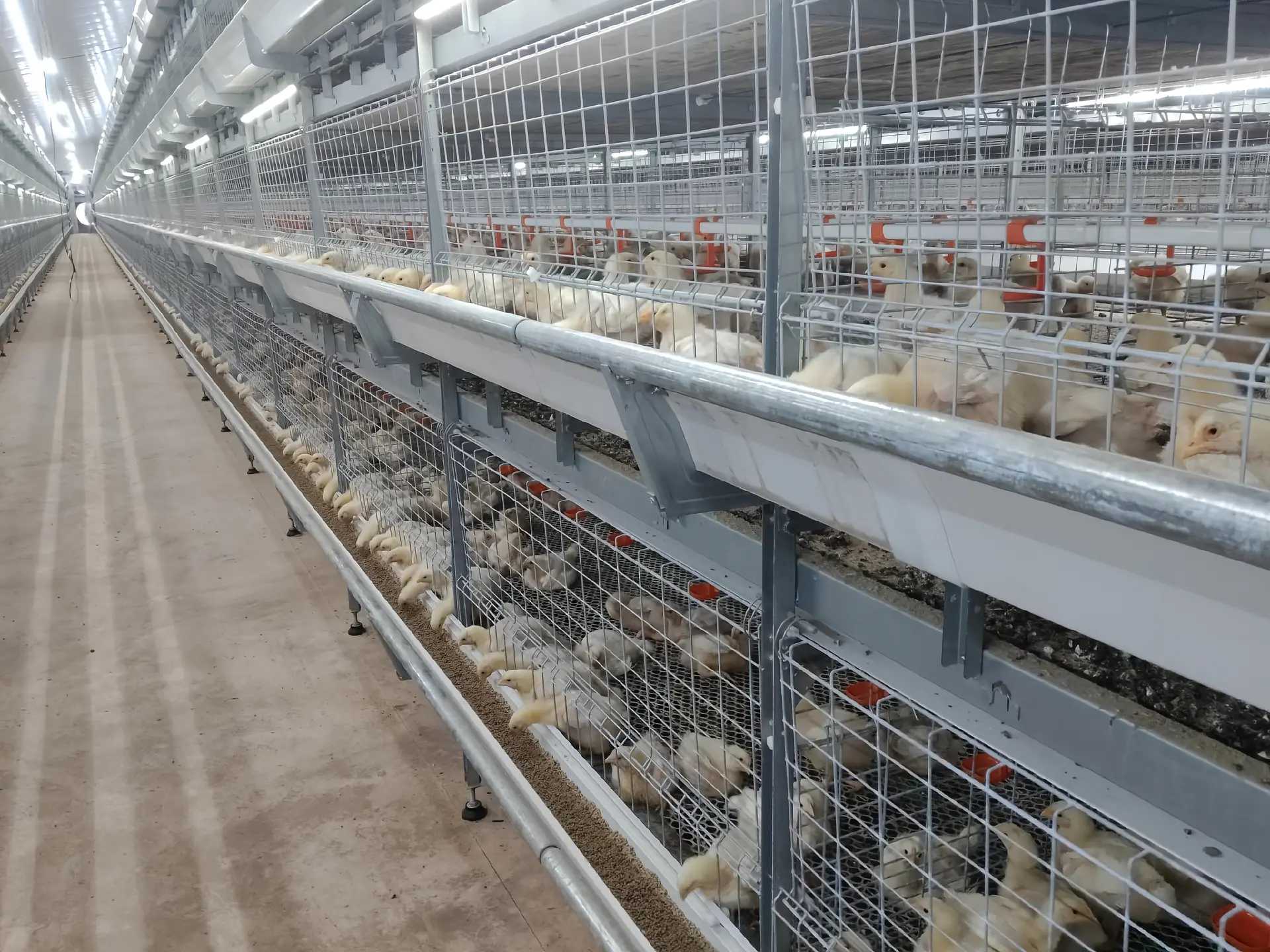
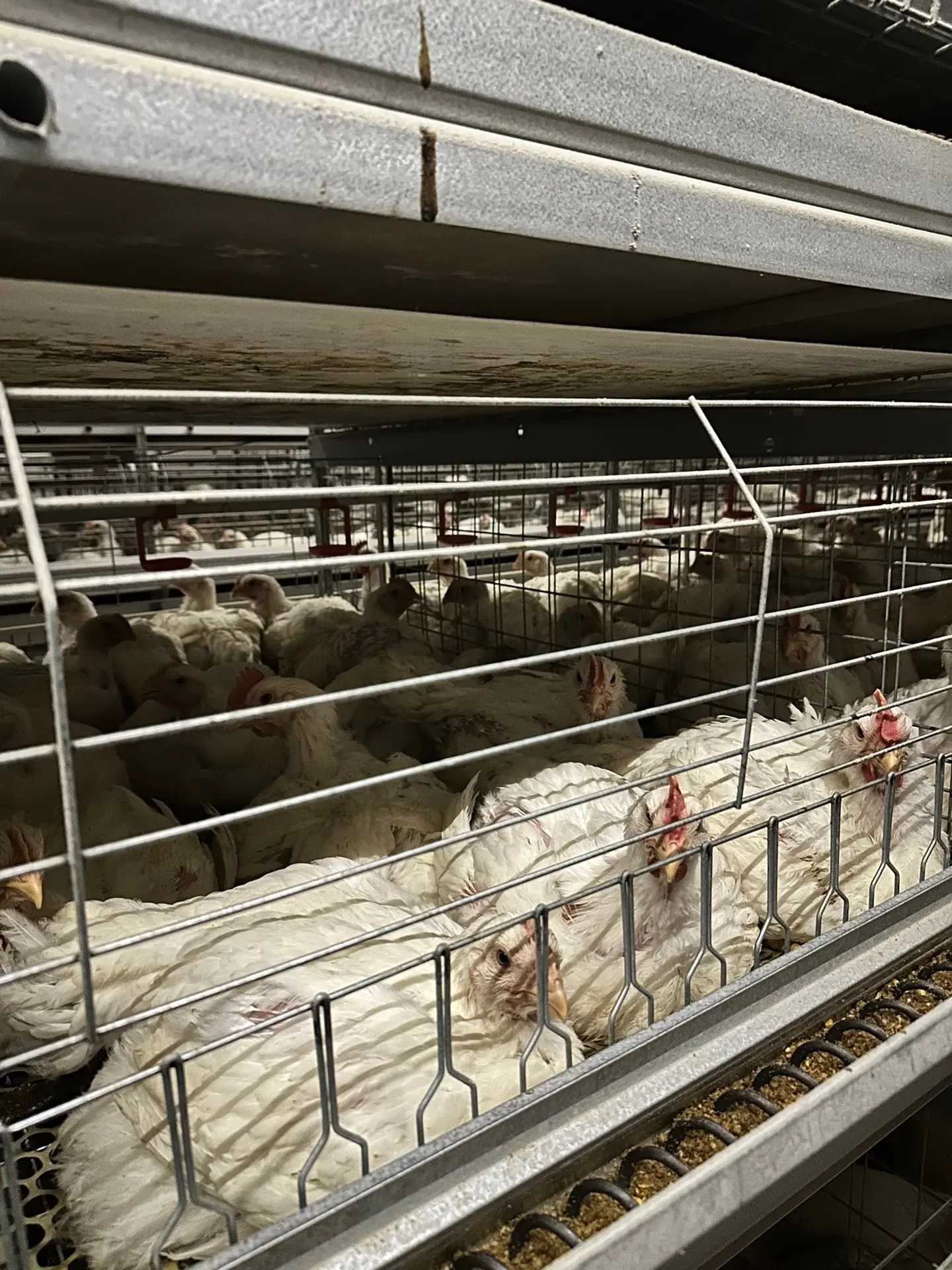
The A-type laying hen cage features a unique sloping design that allows eggs to automatically roll into the egg collection trough after being laid, significantly reducing breakage rates.
Compared to traditional cage systems, this design reduces the time and labor required for manual egg collection.
The core advantage of this system lies in its efficient use of vertical space. Through its multi-layered cage structure, farmers can raise more laying hens within limited floor space, significantly increasing stocking density per unit area.
The cages are typically made of hot-dip galvanized steel wire, ensuring structural durability and corrosion resistance, extending the equipment's lifespan.
Regarding ventilation, the A-frame design provides ample spacing between cage layers, ensuring natural airflow and effectively reducing the concentration of ammonia and other harmful gases in the poultry house.
Good ventilation is crucial for maintaining the health of laying hens, significantly reducing the incidence of respiratory diseases.
02 Market Drivers: Consumer Growth and Automation Demand The steady growth of the poultry farming equipment market is primarily driven by the continued increase in global demand for eggs and protein foods.
As an affordable source of animal protein, egg consumption is on the rise globally, driving investment in efficient production systems within the farming industry.
According to statistics, the US poultry farming equipment market reached $1.07 billion in 2024, the same year the US produced approximately 9 billion broilers, with eggs accounting for 30% of the total value of poultry products.
Large-scale production necessitates efficient and reliable equipment, driving the widespread adoption of advanced Poultry Cage Systems.
Simultaneously, rising labor costs in the poultry industry have spurred demand for automation. Modern A-frame tiered Layer Cages can be equipped with automatic feeding, watering, manure removal, and egg collection systems.
These systems significantly reduce manual labor requirements, allowing farmers to focus more on flock health management and production optimization.
03 Innovation Trends: Focus on Animal Health and Biosecurity
A survey conducted in early 2025 revealed that poultry farmers' most anticipated areas for innovation are improving animal health, biosecurity, and hygiene practices.
This trend reflects the industry's increasing emphasis on sustainable development and animal welfare.
Against the backdrop of frequent avian influenza outbreaks, farm biosecurity has reached unprecedented levels of importance. The enclosed structure and automated manure treatment systems of A-frame tiered layer cages effectively reduce the risk of pathogen transmission.
Many farms have also added environmental control systems to monitor and regulate temperature, humidity, and air quality in poultry houses in real time, providing a more suitable growth environment for layer hens.
Technological innovation is also reflected in the application of materials science. High-quality poultry cage platforms utilize galvanized or PVC-coated steel, extending equipment lifespan, facilitating cleaning and disinfection, and maintaining higher hygiene standards.
04 Global Landscape: Asia Leads Growth
Regionally, the Asia-Pacific region is the largest market for poultry farming equipment globally, holding a significant share.
China, as a major producer, accounts for approximately 32% of global poultry farming equipment production.
Population growth, rising incomes, and changing dietary patterns are the main factors driving market expansion in the Asia-Pacific region.
India, the world's third-largest egg producer, saw its commercial poultry egg production reach 118.16 billion eggs in 2022-23.
To meet the growing demand, local poultry farms are actively seeking to upgrade to modern farming equipment.
In the North American and European markets, stringent animal welfare regulations are also driving innovation in poultry cage systems.
Traditional battery-operated cages are gradually being phased out, replaced by A-type tiered cage systems that better meet welfare-oriented farming requirements.
05 Investment Analysis: Balancing Costs and Returns
While the Type A tiered layer cage system requires a higher initial investment, most case studies demonstrate a relatively short payback period.
Return on investment is typically achieved within 2-4 years.
Data from a medium-sized farm in Malaysia shows that after adopting a three-tiered Type A tiered layer cage system with an automated egg collection system, egg breakage rate decreased by 25%, and labor costs dropped by 40%.
In the long term, reduced feed waste and lower disease rates also bring considerable economic benefits to the farm.
For farmers considering investing in this type of system, experts recommend prioritizing reputable suppliers to ensure comprehensive installation training and after-sales service.
Furthermore, it is crucial to choose a scalable system configuration based on the farm's size and development plan, allowing for future production expansion.