
 +8618266221406


0102030405
Layer Battery Farming Cage Automatic Egg Collection Machine System
2025-11-28
With rising labor costs, large-scale egg-laying hen farms are increasingly turning to automation solutions. Automated egg collection systems, a core component of modern tiered egg-laying hen cages, through precise design and intelligent control, not only reduce egg breakage rates to below 1% but also save approximately 30% of labor costs, becoming a key technology for improving farming efficiency.
01 Technical Principle: Precise Design for Efficient Egg Collection
The basic principle of an automated egg collection system seems simple, yet it embodies meticulous engineering design.
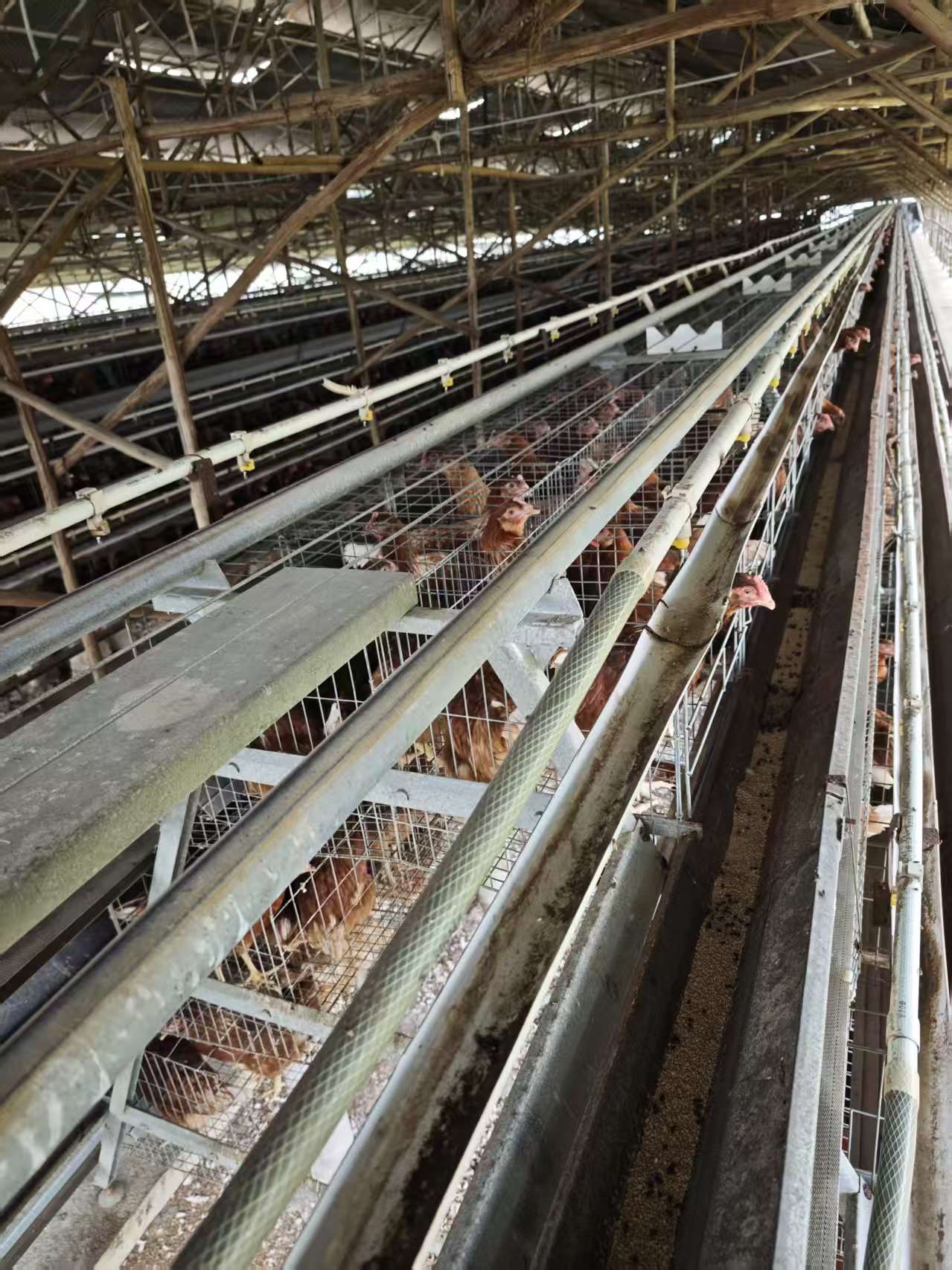
After a hen lays an egg, thanks to the approximately 7-10 degree incline of the tiered cage bottom, the egg automatically rolls out of the cage, preventing it from being trampled or contaminated by the chickens.
This design detail significantly reduces the egg breakage rate.
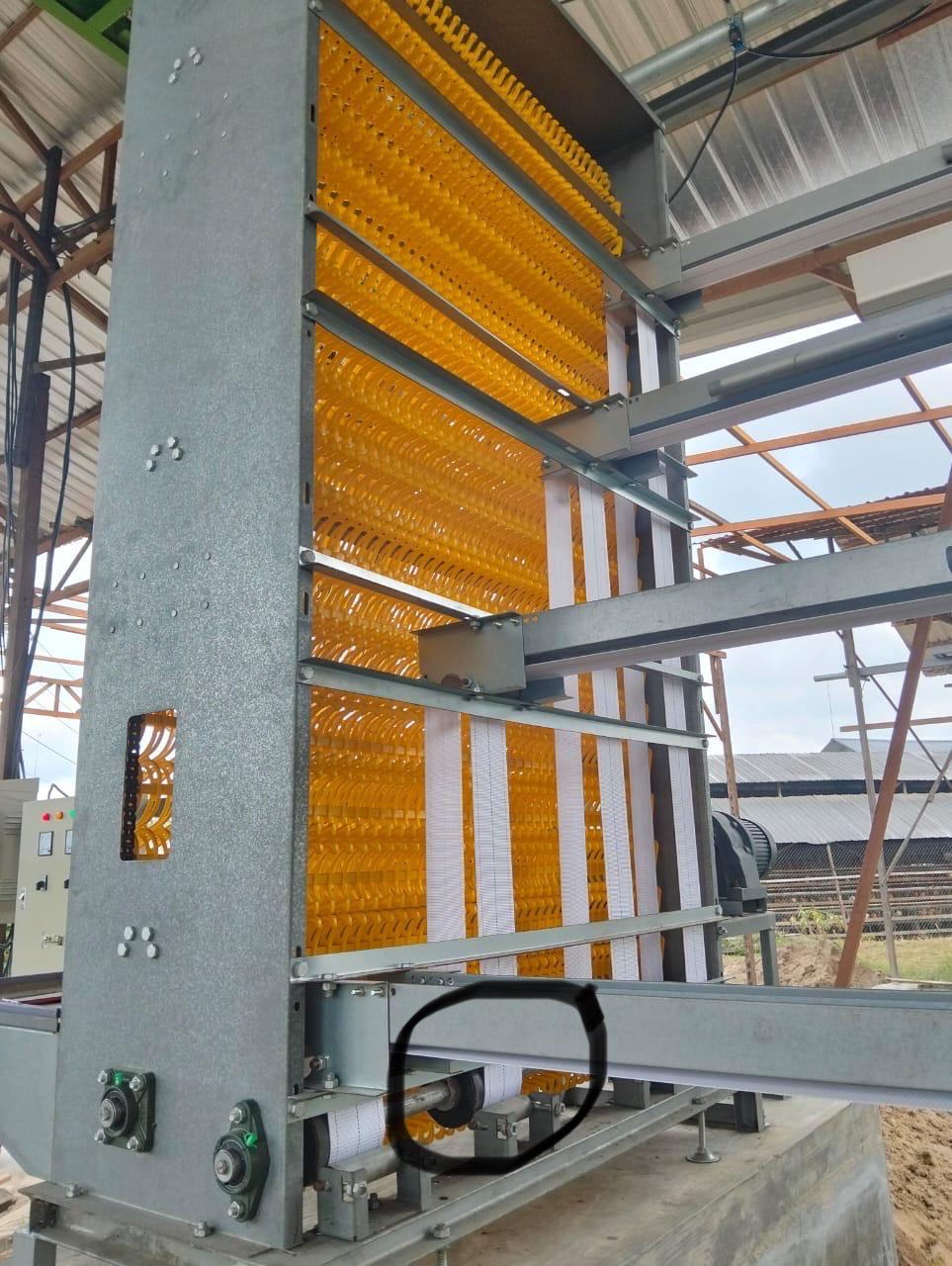
After rolling out, the eggs fall onto an egg collection belt made of high-strength polypropylene or polyester yarn.
This material has antistatic, corrosion-resistant, and wear-resistant properties, providing a soft transport environment for the eggs.
The egg collection belt moves slowly at approximately 4 meters per minute, smoothly transporting the eggs to the collection platform.
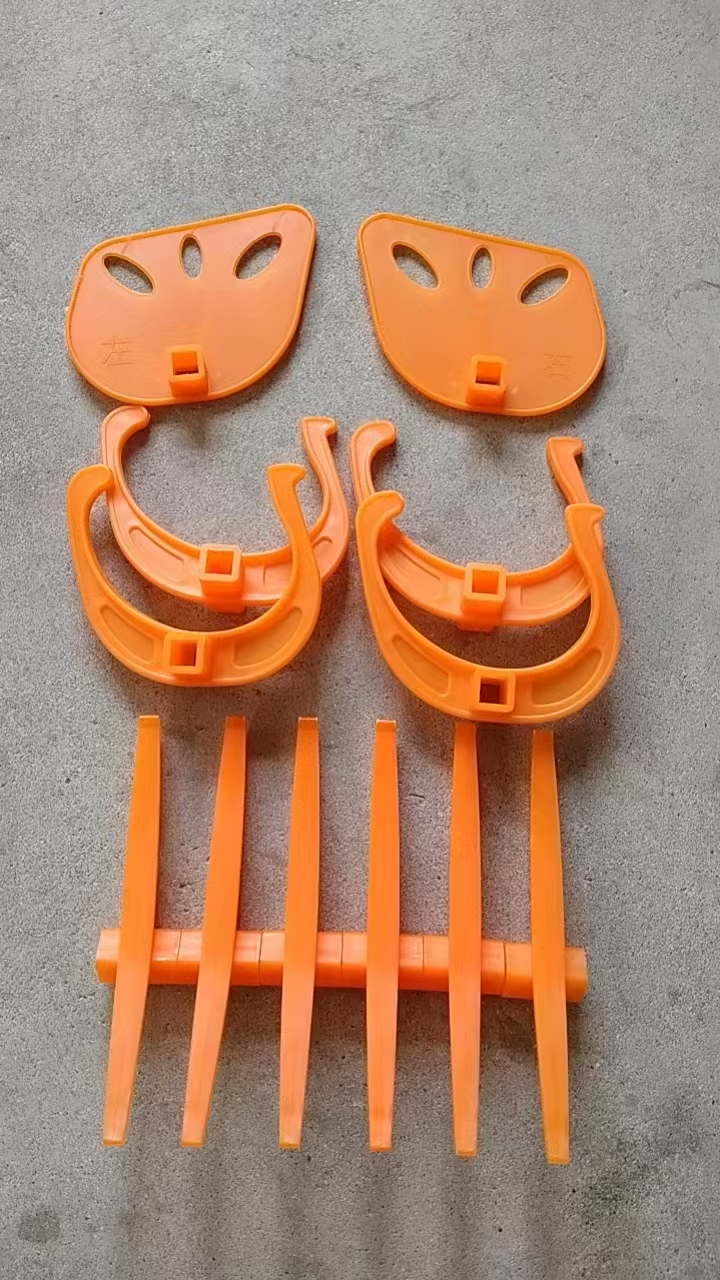
Crucially, the system is equipped with egg-collecting claws made of flexible plastic and a cushioning mechanism to ensure that eggs are cushioned and protected during turning and lifting, preventing collisions.
02 Performance Breakthrough: A Leap in Efficiency from Manual to Automated Collection
Traditional manual collection methods are inefficient, labor-intensive, and have a high breakage rate.
According to industry data, egg collection accounts for approximately 20% of the total labor in traditional egg-laying hen farms.
Automated egg collection systems, however, offer remarkable efficiency.
Modern egg collection systems can process up to 12,000 eggs per hour, 3-4 times more efficiently than manual collection.
More importantly, high-quality automated egg collection systems can control the breakage rate to below 1%, with high-end systems achieving an extremely low level of 0.1%.
This data significantly outperforms manual collection, demonstrating the enormous advantages of automation technology.
03 System Integration: A Comprehensive Automated Farming Solution
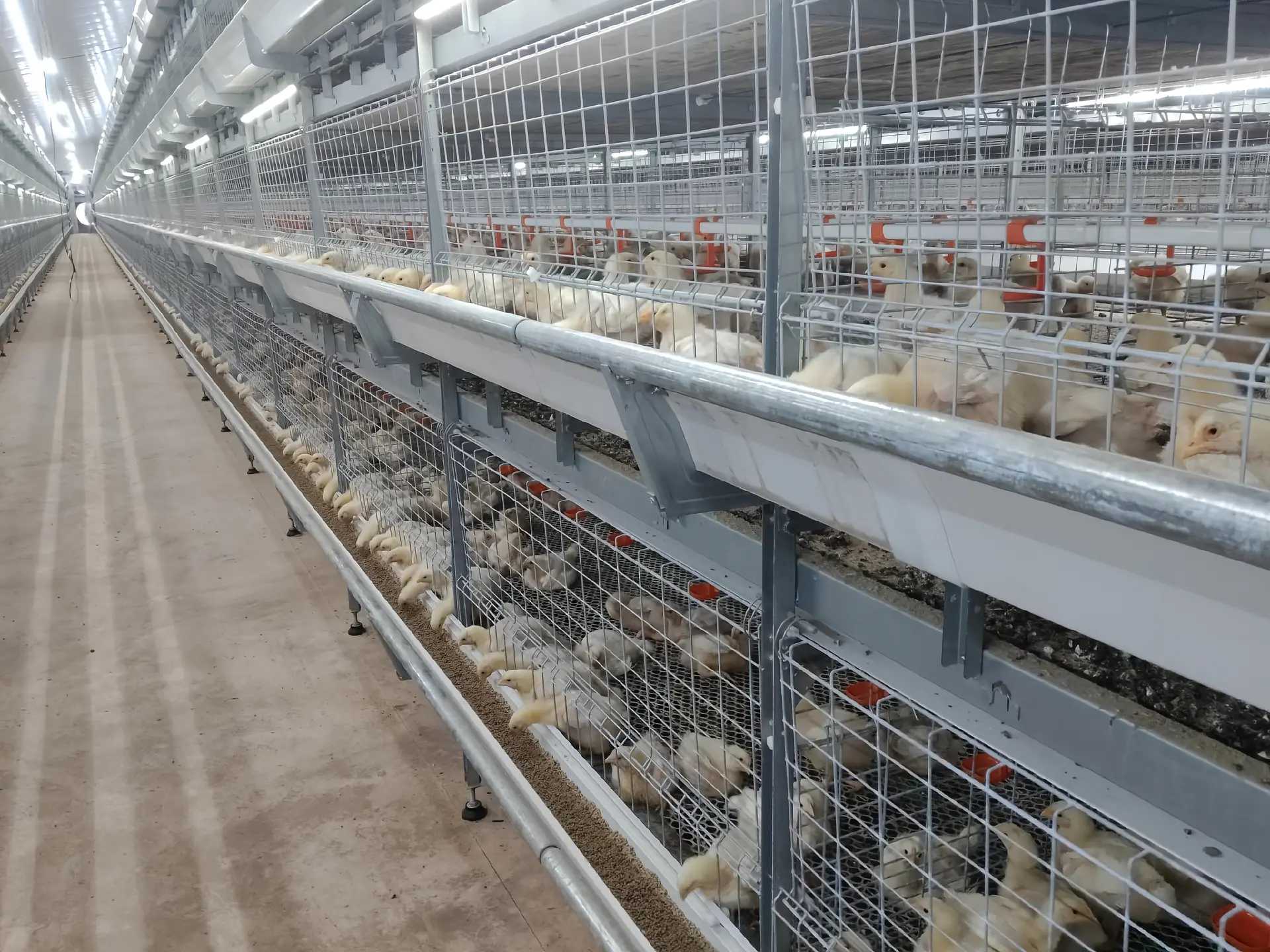
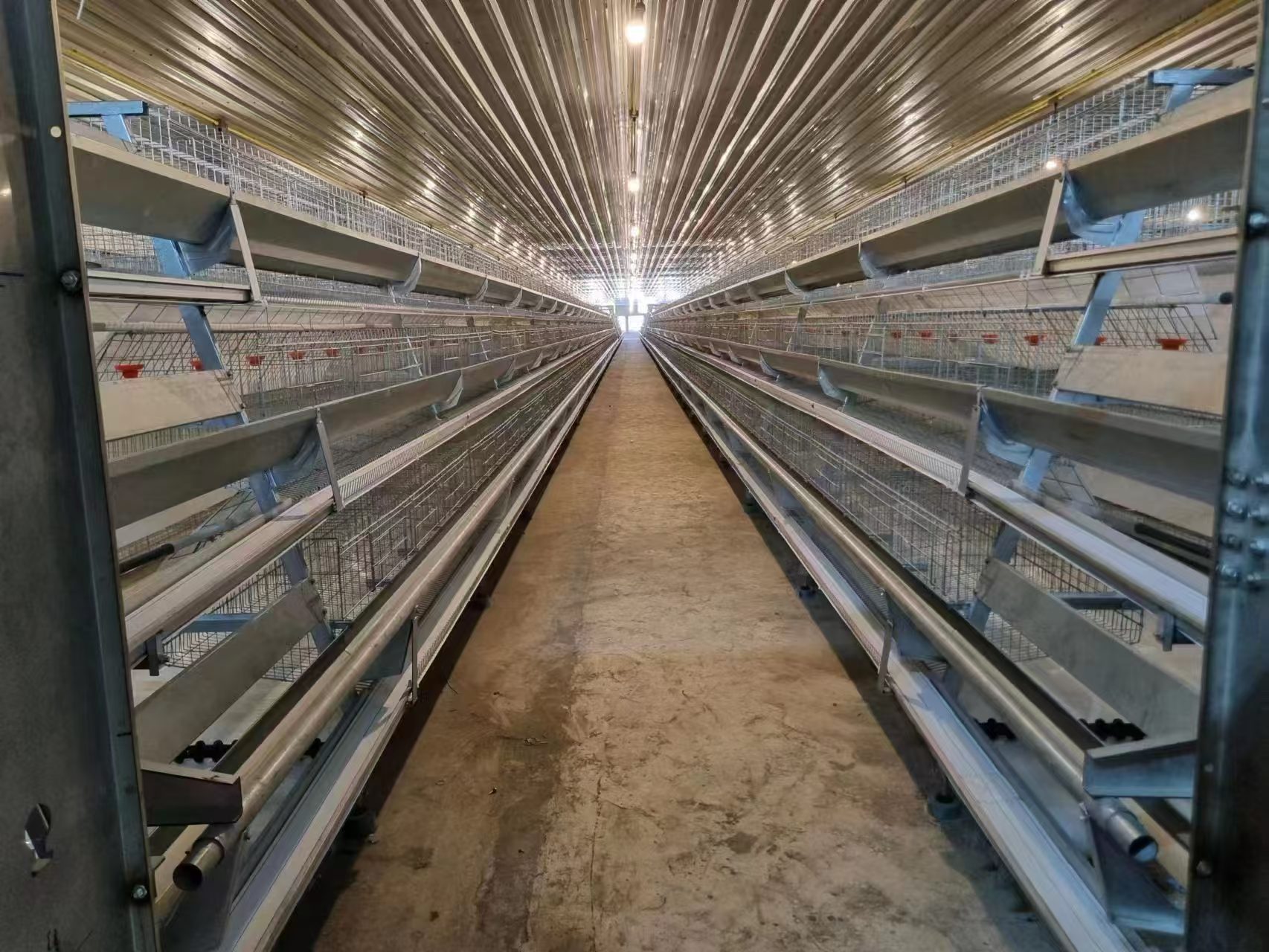
Automated egg collection systems typically do not operate independently but rather as part of a larger automated farming system, working in conjunction with systems for feeding, manure removal, and environmental control.
The system configuration varies depending on the size of the farm.
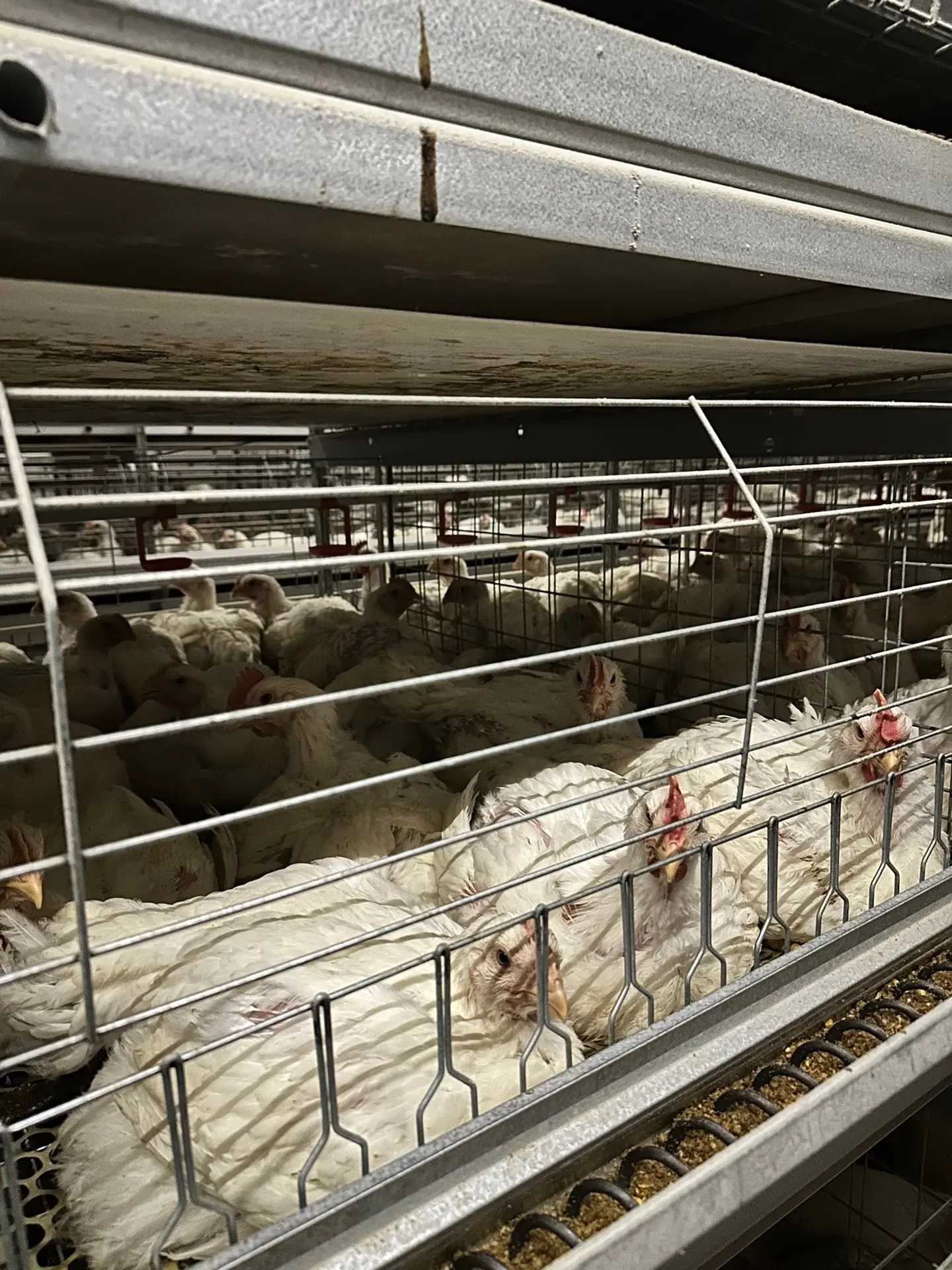
H-type stacked Layer Cages are suitable for medium to large-sized farms, reducing floor space by over 30% and saving 30-50% on labor costs.
A-type tiered cages are more suitable for small to medium-sized farms, offering simpler installation and operation.
Most of these systems are constructed with hot-dip galvanized steel, with a zinc coating of 275g/m², ensuring corrosion resistance and a service life of over 20 years.
04 Smart Frontier: AI-Powered Precision Farming
Automated egg collection technology is deeply integrating with artificial intelligence and the Internet of Things, creating a more intelligent farming model.
Advanced farms have begun applying AI visual analysis technology, using cameras to monitor flock behavior and automatically adjust environmental parameters.
Some systems can also analyze chicken activity heatmaps to issue disease risk warnings 48 hours in advance, buying valuable time for prevention and control measures.