
 +8618266221406




0102030405
Drinking water management in pig farms
2025-08-07
Water is a vital substance in the pig body.
80% of a newborn piglet's weight and 53% of a marketed pig are water.
A pig can survive after losing almost all its fat and more than 50% of its protein, but it will cease to thrive if it loses 10% of its water.
Water's functions include cooling the pig, transferring nutrients, regulating body chemical reactions, and maintaining acid-base balance, aiding in feed movement and absorption.
Water deficiency impairs the functioning of various digestive and metabolic enzymes, severely impacting the pig.
Because water doesn't require planned purchases like other raw materials for pig farming, guidance and training in this area are rare. While most pig farmers understand the importance of water to pigs, actual producers and managers often overlook water issues.
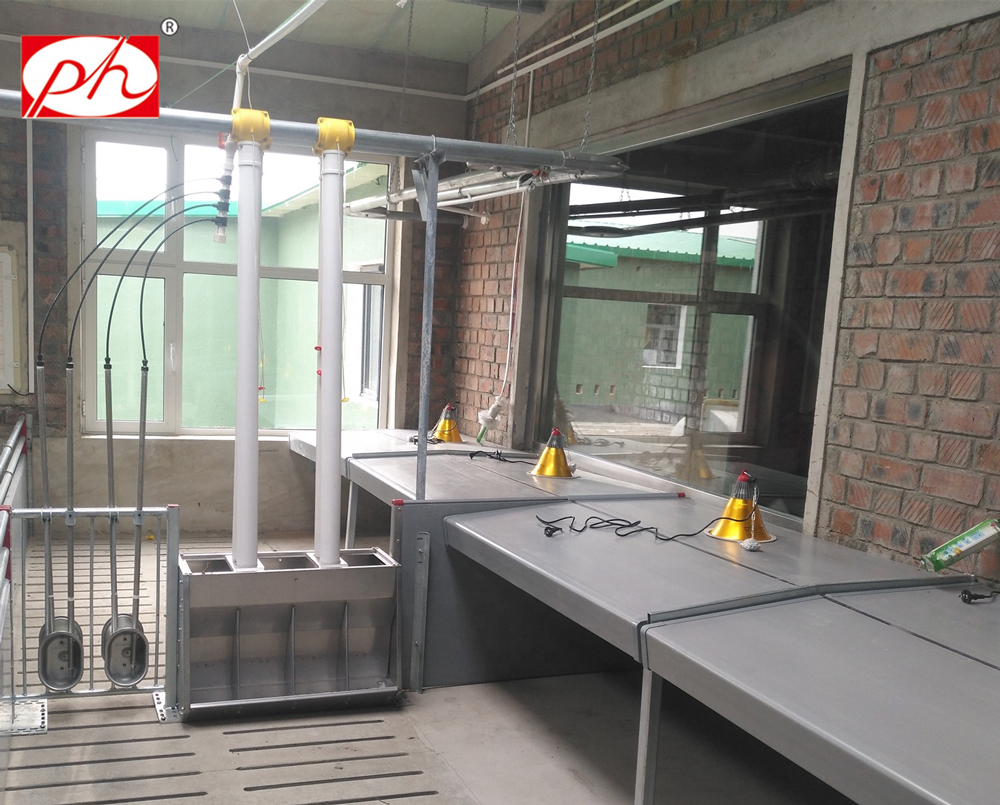
Common Problems with Drinking Water
Drinking water problems are common in pig farms worldwide.
1. Insufficient water intake can lead to constipation and cystitis in sows. In severe farms, nearly two-thirds of sows die from bladder infections. Many producers believe that as long as water drips from a drinker, it's normal. They believe that insufficient feed intake in sows is due to illness, not water shortages.
2. Drinker Problems
Many farms have drinkers positioned incorrectly, angled incorrectly, or in insufficient quantities. This leads to difficulty for pigs, increased water waste, and prolonged watering times. Faulty drinkers are rarely identified and replaced promptly.
3. Insufficient Water Pressure
Proactive measures to clean, maintain, and repair the water supply system are rarely taken.
Research on Pig Drinking
Pig water consumption is closely related to age, production level, ambient temperature, water temperature, water supply method, feed type, feeding method, and pig activity level. Specific requirements are shown in the table below.
Water Volume Requirements and Faucet Flow Rate Requirements
Item Weight (kg) Daily Water Requirement (L) Faucet Flow Rate (ml/min)
Weaned Pigs (6): 0.19-0.76 (500)
Weaned Pigs (10): 0.76-2.5 (500)
Growing Pigs (25): 1.9-4.5 (700)
Fattening Pigs (50): 3.0-6.8 (700)
Fattening Pigs (110): 6.0-12.0 (1000)
Pregnant Sows (7.0-17.0 (1000)
Lactating Sows (14.0-29.0 (1500))
Faucet Installation and Water Consumption Requirements
Faucet Installation
Water Consumption
Weight (kg) Height from Ground (mm)
Age (Weeks) Weight (kg) Daily Water Consumption (L)
5-10: 100-250 (8): 20 (20): 1
10-30: 300-400 9 25 2.5
30-50 400-600 10 28 3.3
50-100 600-750 12 39 4.2
Above 100 750 14 50 5
17 70 7
21 90 8.9
Factors Affecting Pig Water Consumption
Ambient Temperature
Water Temperature
Pig Growth Stage
Water Pressure Affects Drinking Time
Water Quality Requirements
Water quality directly affects animal water intake, feed consumption, health, and production levels.
1. Water hardness and the amount of harmful substances it contains.
2. Natural water can contain various bacteria and viruses. If contaminated by rat feces and urine, it can spread diseases such as foot-and-mouth disease and dysentery. A concentration of 5 E. coli per liter of water can cause diarrhea in young pigs. Water Supply System Maintenance
After prolonged use, biofilm forms on water pipes. This protects against pathogens, increasing resistance to them by 3,000 times.
To ensure clean drinking water, regularly clean and disinfect water lines and faucets.
Ultragreener, with a high acid content, can be used for terminal disinfection at a concentration of 1:400.
Drinking water disinfection: 1:20,000.