
 +8618266221406



0102030405
Cooling Pads for Livestock Facilities: Ensuring a Cool Summer for Livestock with Premium Materials and Reliable Quality
2026-08-10
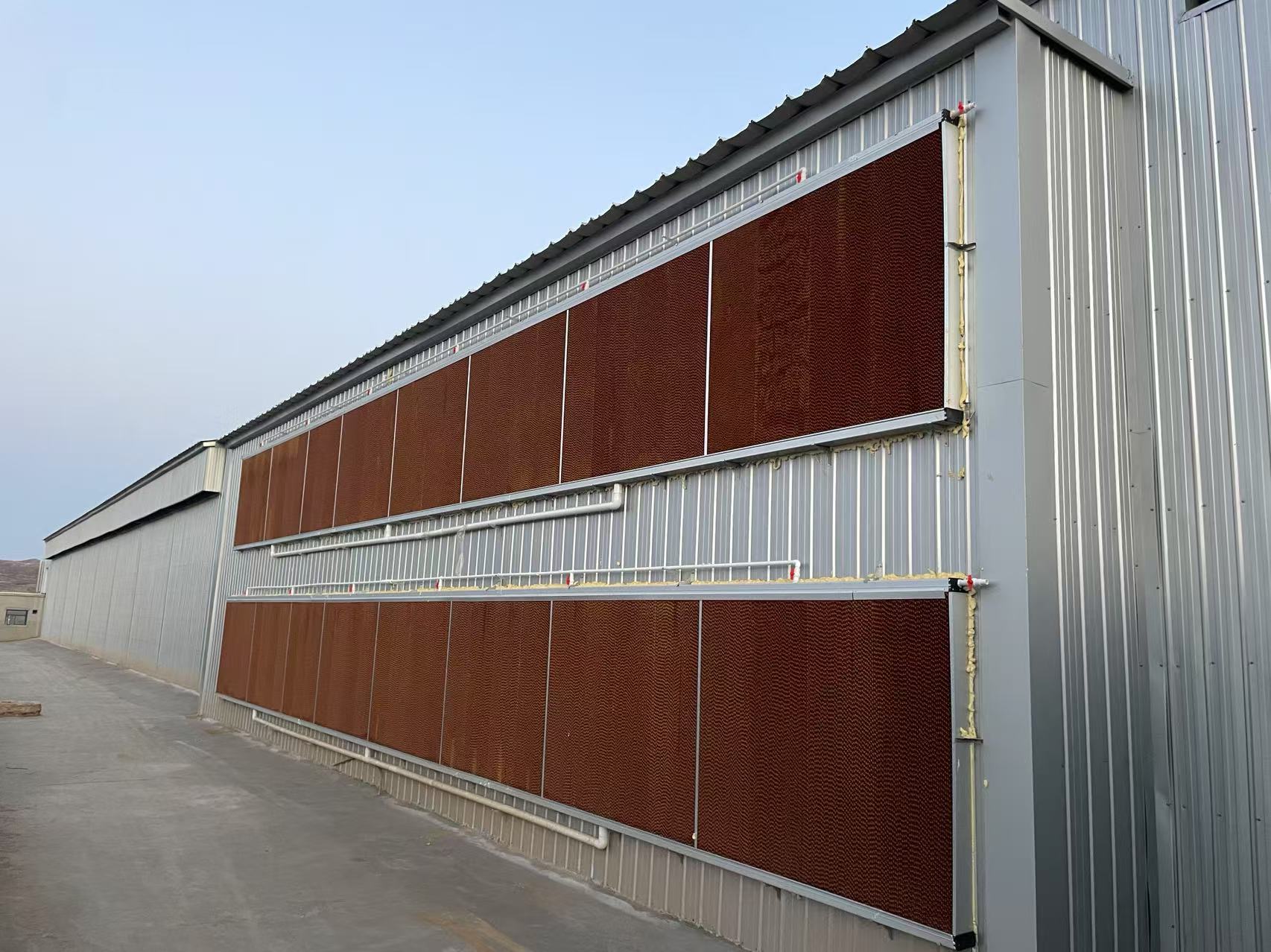
With the arrival of high summer temperatures, heat stress in livestock and poultry has become a major challenge for farmers. As the core component of "wet pad and negative-pressure fan" systems, Cooling Pads—thanks to their efficient physical cooling capabilities—have become indispensable equipment for modern farms. Ultimately, their cooling performance and service life depend on the materials used and the quality of manufacturing.
Core Material: Cellulose Paper Pads Are Key to Cooling
The core component of the cooling pad is the honeycomb-structured wet pad paper, manufactured through processes such as sizing, drying, corrugating, shaping, gluing, and curing. High-quality pads on the market typically utilize premium raw materials like Jiamusi virgin pulp paper or Yueyang paper. After special treatment, these base papers exhibit high water absorption, excellent water resistance, and immunity to mold and corrosion; their natural water absorption rate reaches 60–70 mm per 5 minutes (meeting international standards), with a single drop of water fully dispersing within 4 to 5 seconds.
In terms of quality assessment, high-quality pad paper should be chestnut or brownish-yellow with a translucent quality; this indicates that the red resin application and thermosetting process were optimal, ensuring peak resistance to acid and alkali corrosion. Conversely, products with a yellowish or whitish natural paper tone are often of inferior quality. While a coffee-colored appearance resulting from over-baking may look attractive, the toughness of the paper fibers is compromised, leading to a shorter service life.
Frame Material: The Key Factor in Overall Durability
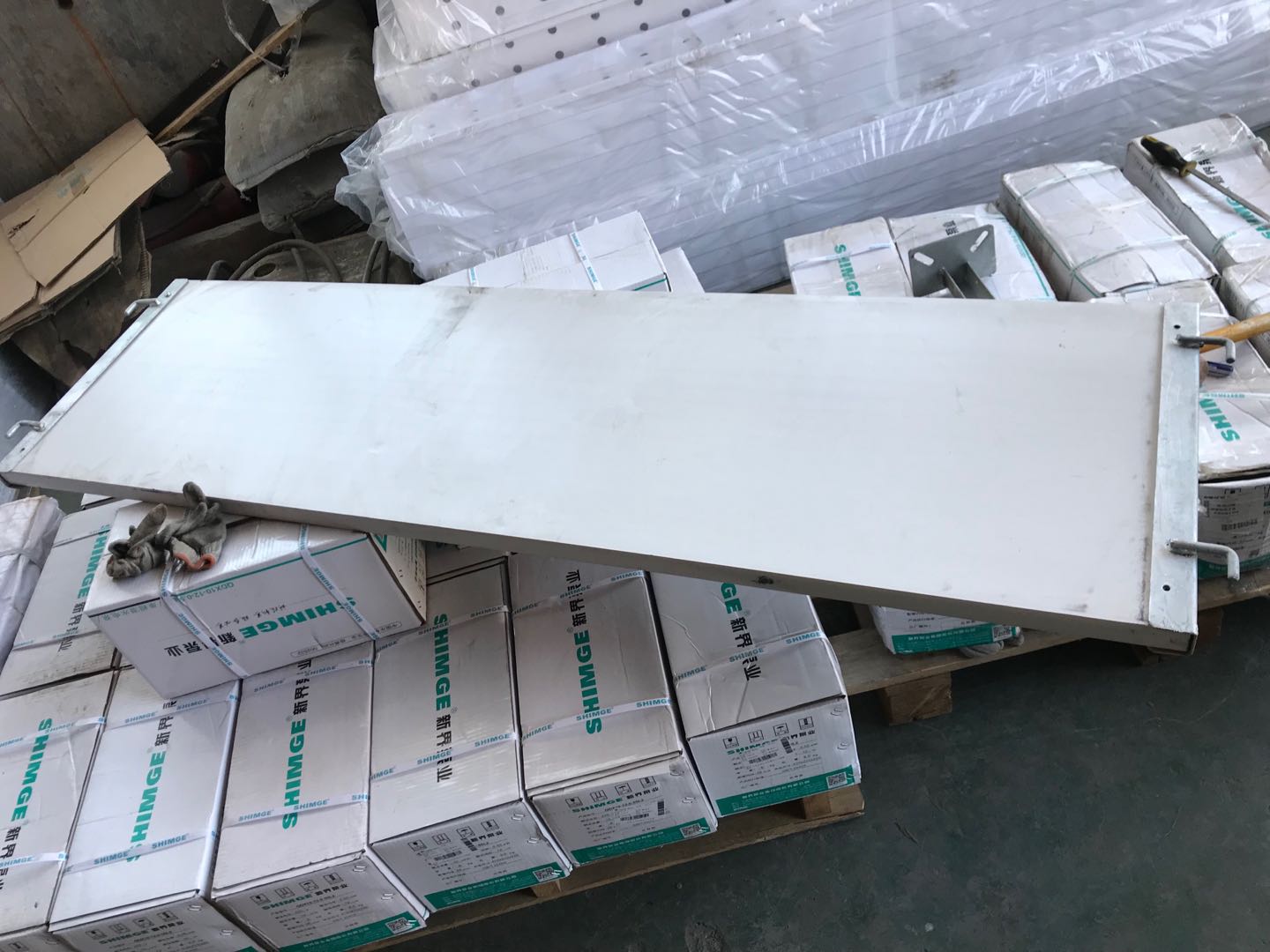
The material used for the pad's frame also directly impacts the equipment's lifespan. Mainstream frame materials on the market include aluminum alloy, stainless steel, galvanized sheet metal, and plastic-steel (PVC-steel composite).
Among these, stainless steel offers superior corrosion resistance and durability, boasting the longest lifespan; it does not release harmful substances in the high-humidity, high-ammonia environments typical of farms and can last over five years. Aluminum alloy is lightweight and corrosion-resistant, making it suitable for indoor farming facilities. Plastic-steel offers strong rust resistance and is ideal for high-humidity areas. In contrast, "stainless iron" (a low-grade stainless alloy) is cheaper but prone to rusting; it often rusts through and leaks within about a year, indicating poor quality. Industry experts advise farmers to prioritize frames made of stainless steel or aluminum alloy when making a selection, thereby avoiding the premature failure of the entire cooling pad unit due to frame corrosion.
Performance and Lifespan: Quality Is Key
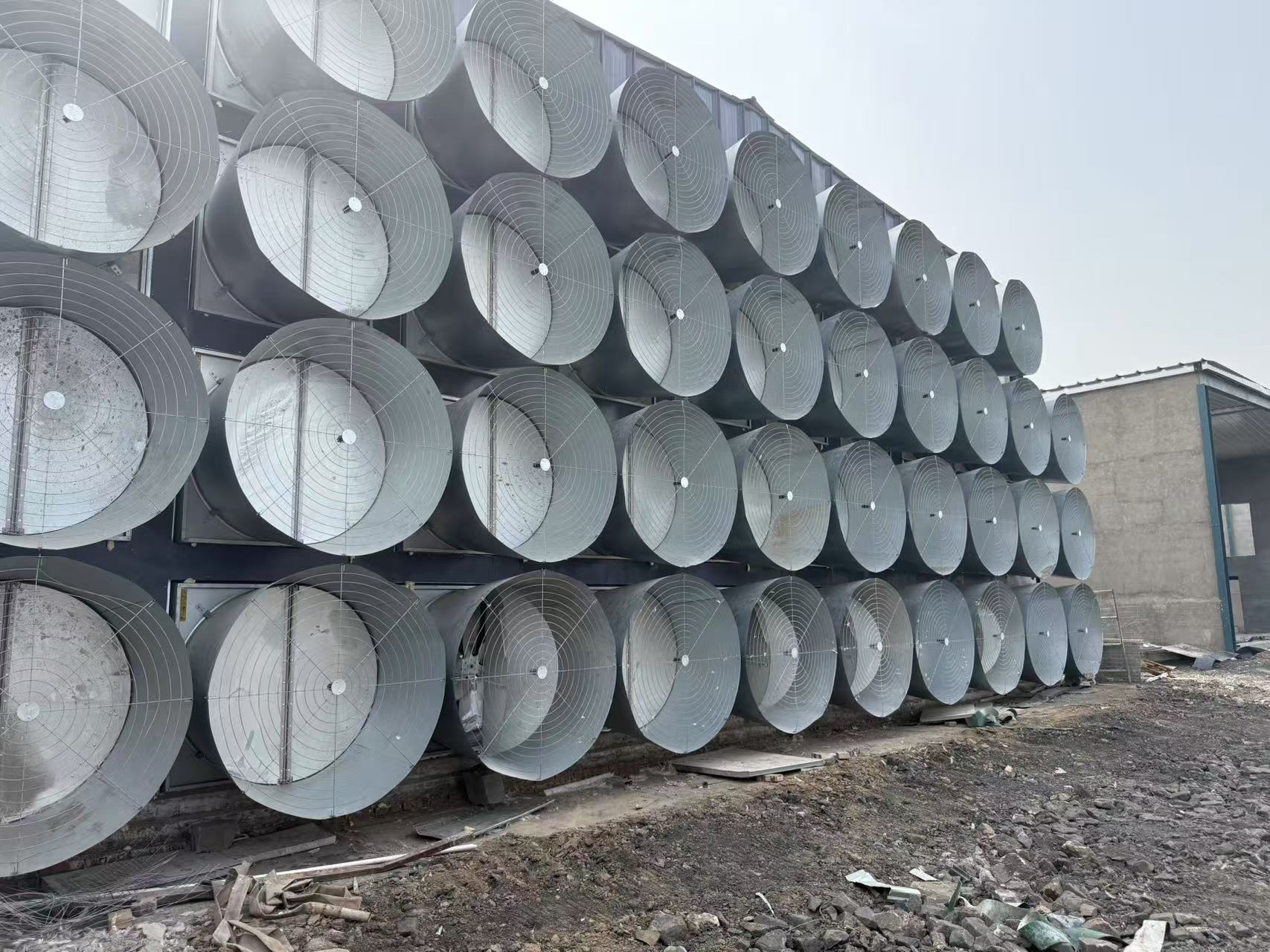
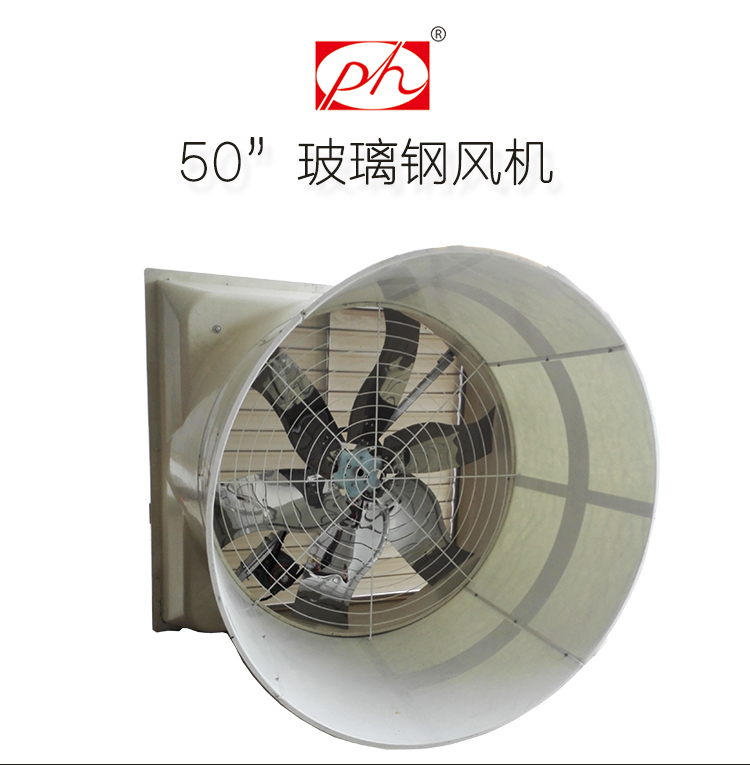
High-quality cooling pads can achieve an evaporative cooling efficiency of over 80%. When used in conjunction with negative-pressure Exhaust Fans, they can lower the temperature of incoming air by 5 to 12 degrees Celsius. Cooling pad walls with a thickness of 15 cm offer superior cooling performance compared to 10 cm versions, as the airflow path is longer.
In terms of service life, cooling pads made from high-quality materials can generally last for more than five years with proper maintenance. With effective water quality management and regular cleaning, the lifespan of premium pads can even extend beyond eight years. In contrast, products made from inferior materials or utilizing poor manufacturing processes often develop issues—such as calcification of the paper media, algae growth, and structural degradation—within just one or two years, leading to a significant drop in cooling efficiency.