
 +8618266221406




0102030405
A "Pig" Project Spanning the Oceans: China and Indonesia Join Hands to Create a Blueprint for a Million-Head Pig Farming Industry
2025-12-23
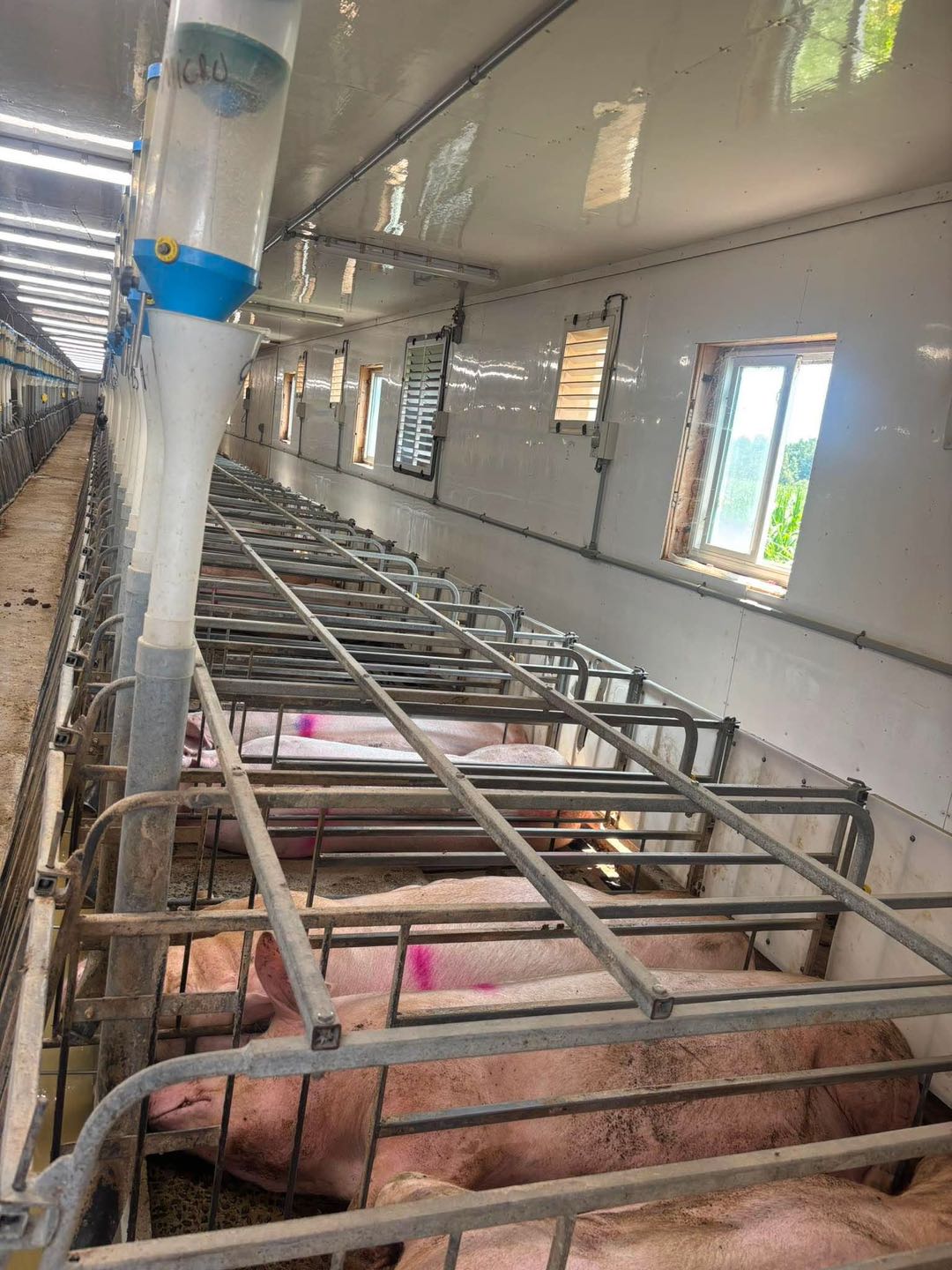
Recently, Dr. Wayan, a renowned agricultural expert in Bali, and his collaborating Chinese company, building upon their previously signed strategic cooperation agreement and the joint establishment of a breeding demonstration base, jointly released a more ambitious industrial development plan – the "Bali Pig Industry Leapfrog Plan." The plan's core objective is clear: to achieve the milestone of producing 1 million high-quality commercial pigs annually within the associated system by 2028-2029. This is not only a leap in production volume but also aims to create a sustainable, replicable, and highly efficient new paradigm for transnational agricultural cooperation by deeply integrating China's mature modern breeding technologies with the agricultural resources of Bali and other Indonesian islands.
I. Core Objectives and Strategic Vision
This plan aims to transcend traditional farm construction models, striving to build a complete closed-loop ecosystem in Indonesia that integrates breeding, scientific farming, feed processing, slaughtering and processing, brand sales, and organic fertilizer conversion.
Scale Objective: To achieve an annual output of 1 million pigs across the entire system by the 2028-2029 fiscal year.
Quality Objective: To ensure pork quality meets or exceeds Indonesian domestic high-end market standards, with some products targeting export requirements.
Ecological and Social Objectives: To build a model of circular agriculture combining planting and breeding, significantly reducing the environmental impact of farming, and directly and indirectly creating thousands of local jobs through a "company + base + cooperative" model, empowering the rural economy.
II. Implementation Path: Three-Step Strategy and "Dual-Island Model"
Given Bali's limited land resources and its core tourism industry, building super-large farms directly faces challenges. Therefore, the plan proposes an innovative "three-step" strategy and a "dual-island model."
Step One: Foundation Building and Demonstration (Current - 2026)
In Bali, a high-standard core demonstration farm will be built (as per the original agreement), focusing on:
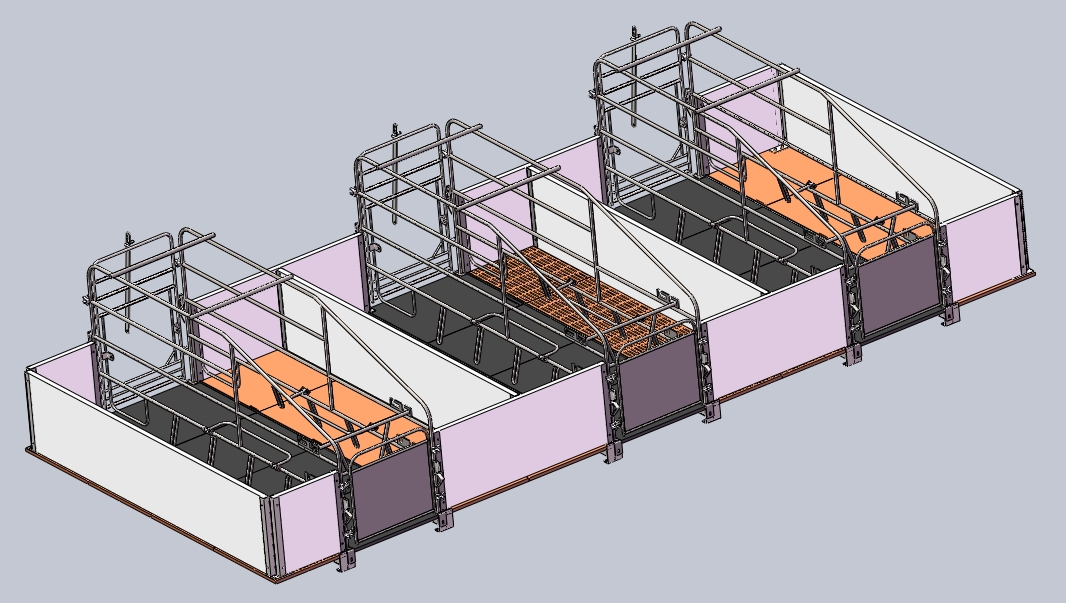
Core Breeding: Introducing SPF (Specific Pathogen Free) breeding pigs and establishing a high-performance breeding center to provide high-quality pig sources for the system.
Talent Incubation: Serving as a technical training center to provide localized professional talent for the entire industry chain. Model Validation: Experiment with and optimize housing environment control, feed formulations, and waste treatment technologies suitable for tropical climates.
Step Two: Replication and Expansion (2026-2028)
Launch the "Dual-Island Model": Leveraging the advantages of the Bali headquarters in technology, management, and market channels, select locations on outer islands such as Sulawesi and Kalimantan, which have more abundant land and feed resources, to build 3-5 large-scale modern breeding bases. Each base will have a designed capacity of 200,000-300,000 head, rapidly forming the main production capacity through standardized replication.
Simultaneously, build a central feed processing plant and a deep processing and cold chain logistics center in Bali, forming an industrial layout of "outer island breeding, Bali processing and value-added, and radiating to the national market."
Step Three: Integration and Leadership (2028-2029 and beyond)
Achieve full-scale industrial chain synergy, with a stable operation of 1 million head capacity.
Establish our own brand and enter high-end fresh meat, customized meat products, and retail channels.
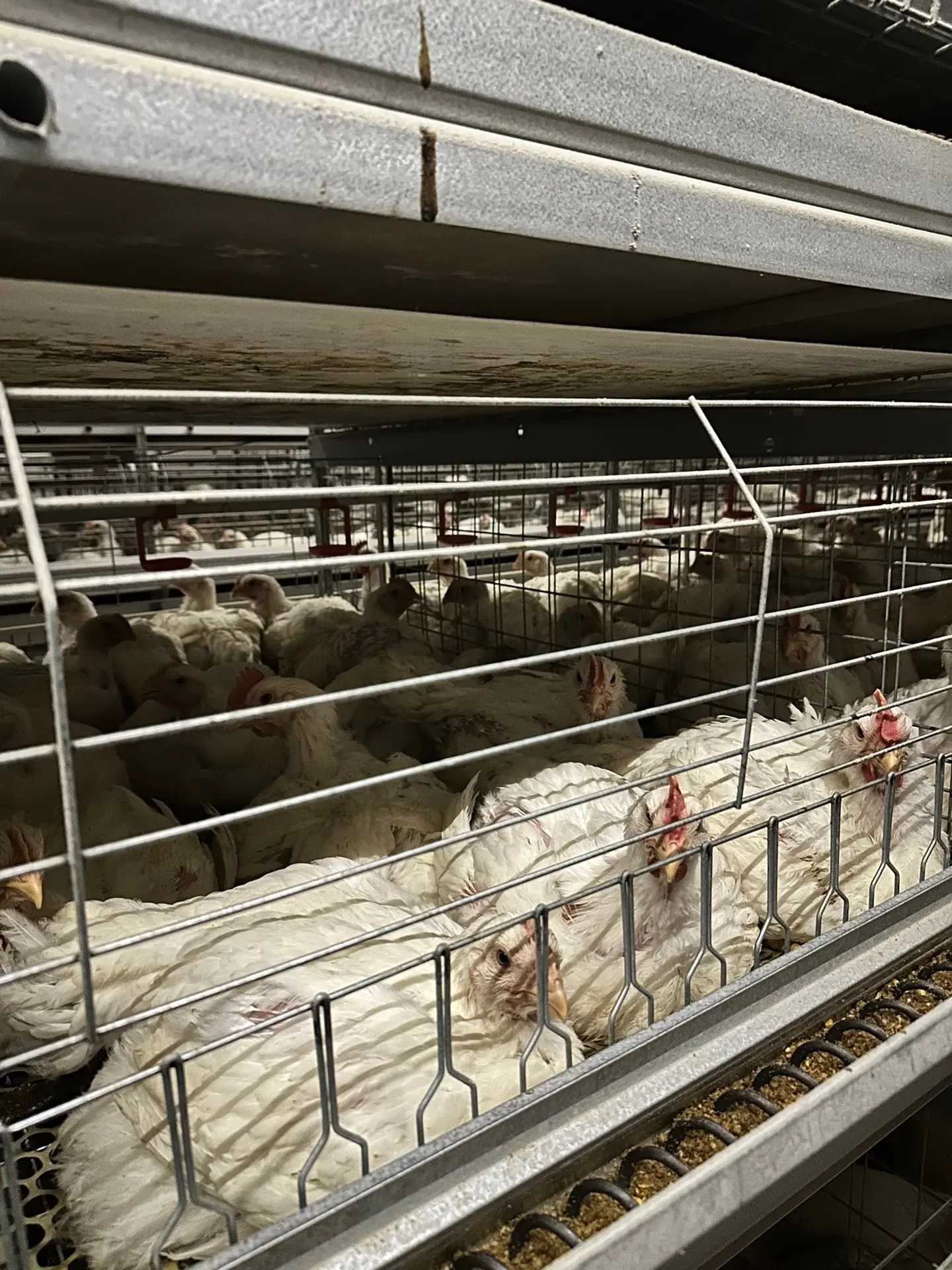
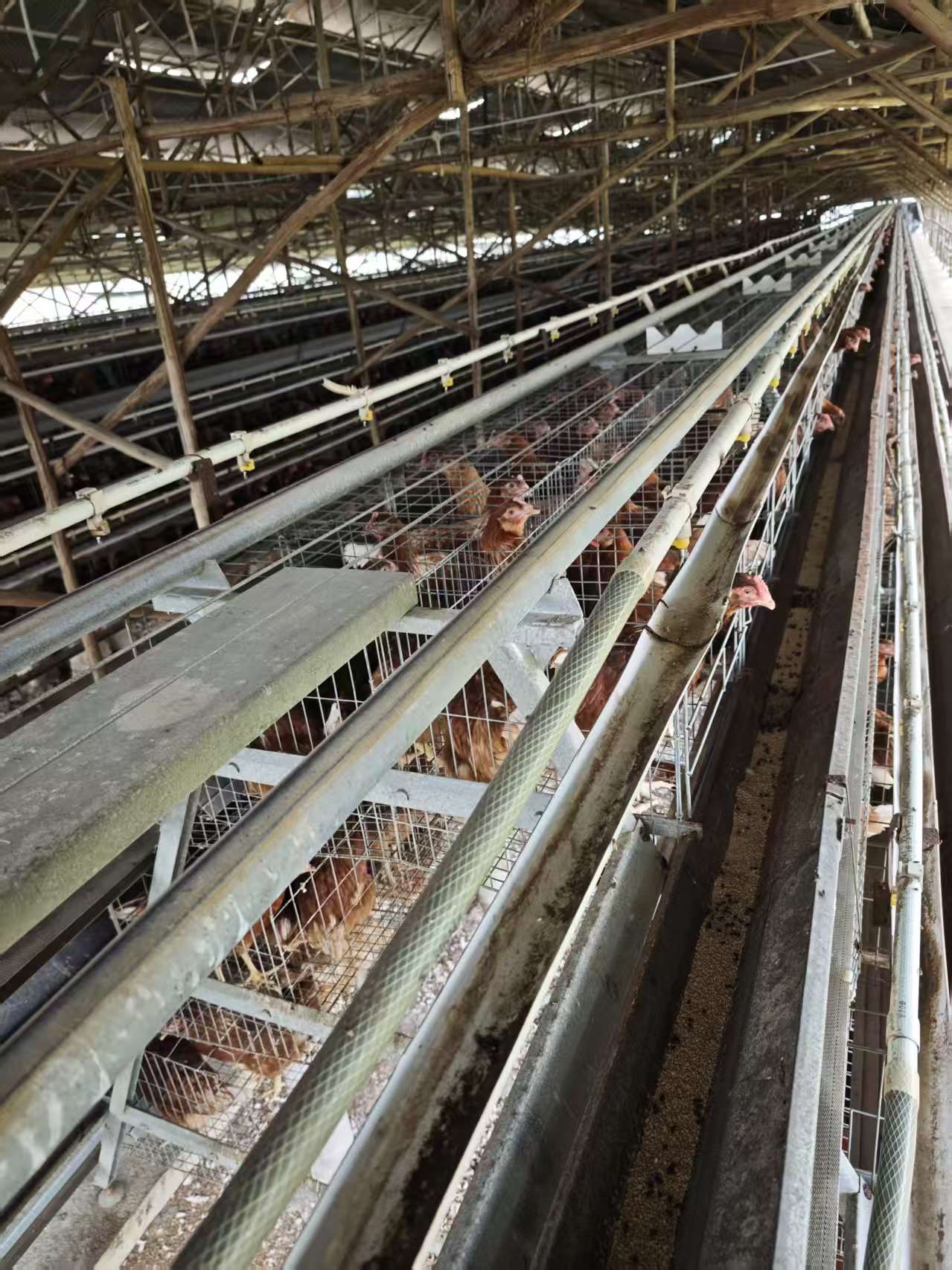
Expand the mature model to laying hens and other livestock and poultry fields, and explore integrated business models such as agricultural tourism and science education.
III. Key Support Systems
Technology System: Introduce mature technology packages from China in areas such as heat stress-resistant breed selection, precision nutrition, intelligent environmental control, biosafety level three prevention and control (especially for African Swine Fever), and anaerobic fermentation of manure to produce biogas and organic fertilizer production.
Industrial Chain System:
Upstream: Cooperate with local corn and palm kernel meal plantations to ensure feed raw materials.
Midstream: Standardized breeding base clusters.
Downstream: Build or cooperate with modern slaughtering and processing lines, develop chilled and packaged meat products, and leverage Bali's international reputation to cultivate regional brands.
Environmental Protection System: Each breeding base will be equipped with an environmental treatment center centered on biogas engineering, realizing the resource utilization of manure, producing biogas for power generation, and using biogas residue and liquid to produce organic fertilizer to feed back into agriculture, achieving zero pollution emissions and a circular economy. Cooperation and Policy Support System: Deepen cooperation with the industry association led by Dr. Wayan to jointly seek maximum support from the Indonesian government in land policies, cross-border investment, agricultural subsidies, and regional control of animal diseases, elevating this project to a flagship project of agricultural cooperation between the two countries.
IV. Risk Assessment and Response
Risk Category | Specific Description | Mitigation Strategies
Disease Risk | Outbreak of major animal diseases such as African Swine Fever. | Establish a comprehensive four-level biosecurity isolation system covering breeding stock, transportation, and farm management; purchase policy-based agricultural insurance.
Market and Price Risk | Cyclical fluctuations in pork prices. | Extend the industrial chain through downstream processing to stabilize price fluctuations; sign long-term supply agreements; develop differentiated products.
Policy and Regulatory Risk | Changes in foreign investment, land, and environmental policies. | Seek experienced local partners; project design strictly exceeds local environmental standards; actively fulfill social responsibilities and integrate into the local community.
Natural and Operational Risks | Natural disasters, localization management challenges. | Conduct rigorous geological and climate assessments for site selection; implement systematic training and promotion programs for local employees.
V. Outlook: From Demonstration Base to Industrial Powerhouse
From the initial concept of a single breeding demonstration base to today's blueprint for a full-产业链 (full industrial chain) producing one million pigs annually, this reflects the depth and ambition of the cooperation between the two sides. This will not only substantially improve Indonesia's self-sufficiency in pork production and the modernization level of its industry, but also provide a complete and valuable case study for Chinese agricultural technology and services "going global."
When Bali becomes not only a world-renowned tourist paradise but also a regional hub for high-end safe food supply and a management center for innovative agriculture, the far-reaching value of this Sino-Indonesian cooperation will be most vividly demonstrated. We jointly anticipate that this cross-ocean industrial cooperation will reach its successful destination as planned.