
 +8618266221406



0102030405
Industry News
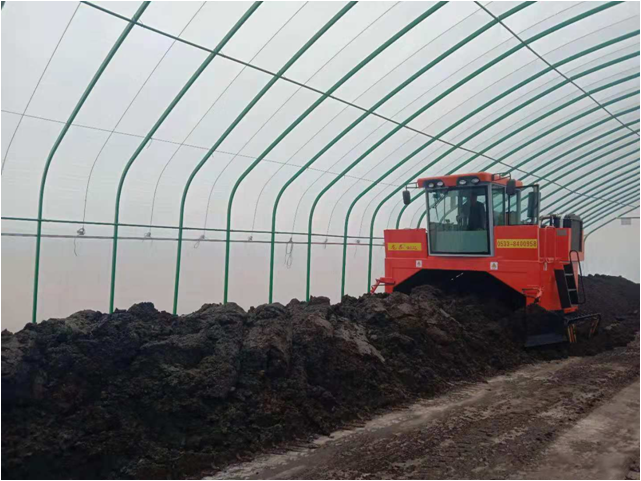
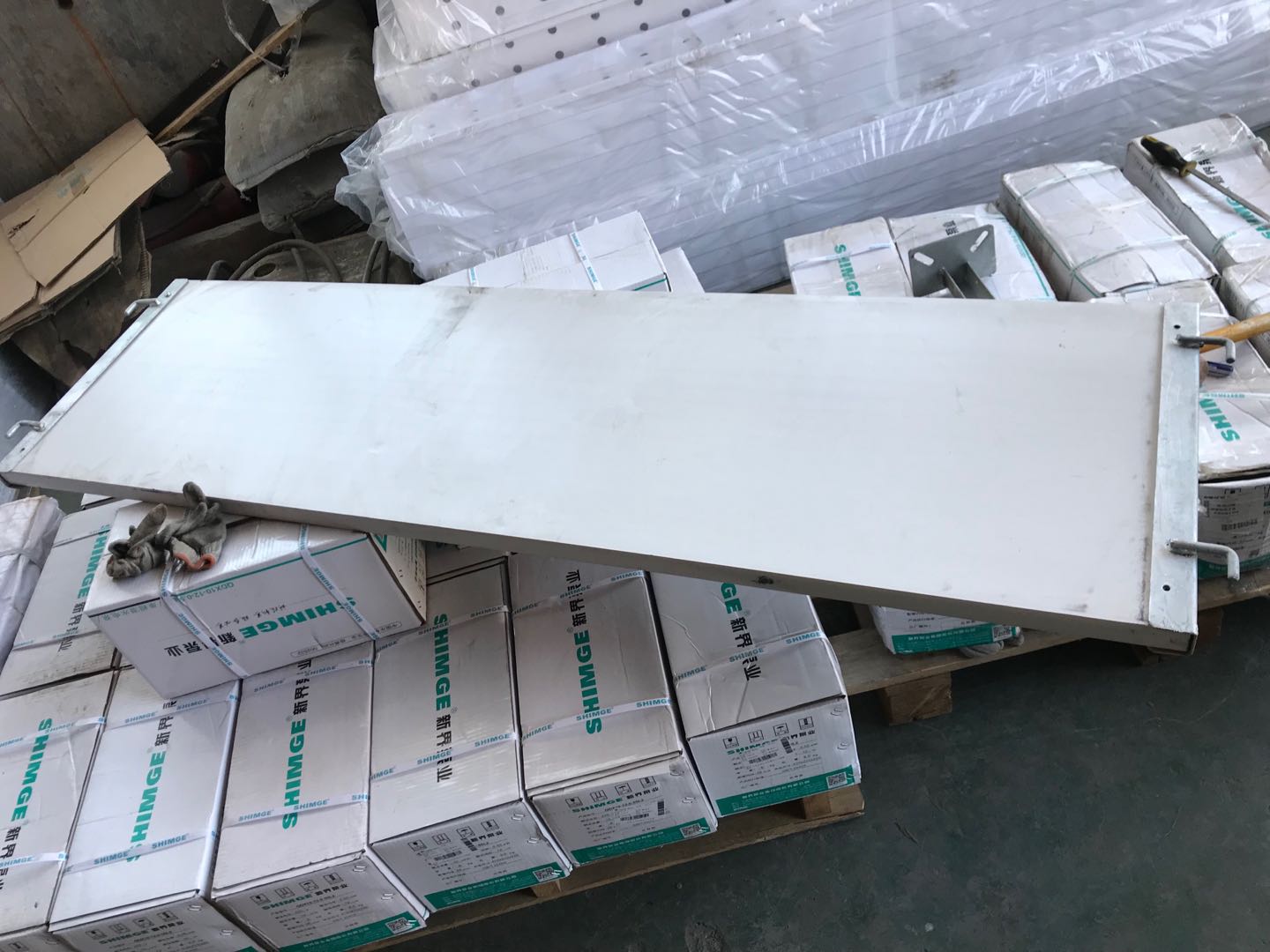
Diesel-Powered Crawler-Type Compost Turner Machine Organic Waste Aerobic Fermenter CE Certified Organic Fertilizer Used Motor
2025-11-26
Diesel-Powered Crawler-Type Compost Turner Machine Organic Waste Aerobic Fermenter CE Certified Organic Fertilizer Used Motor
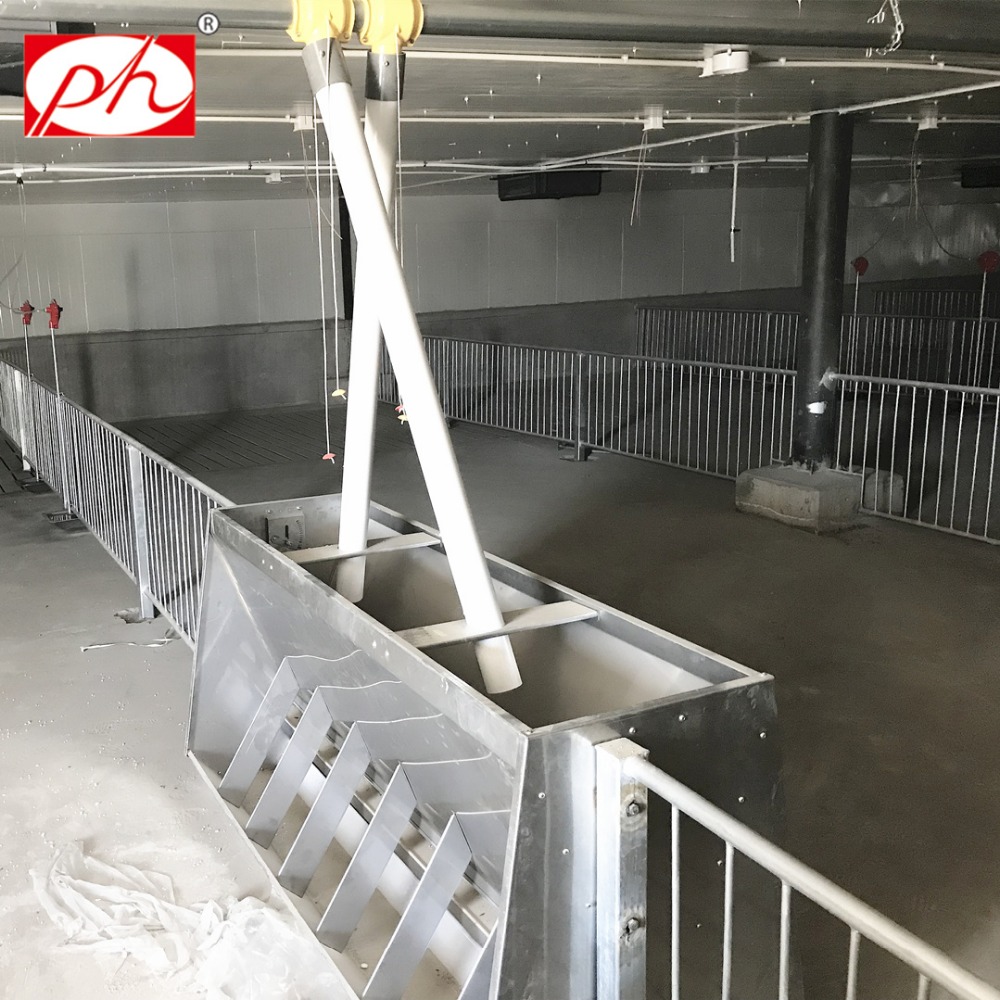
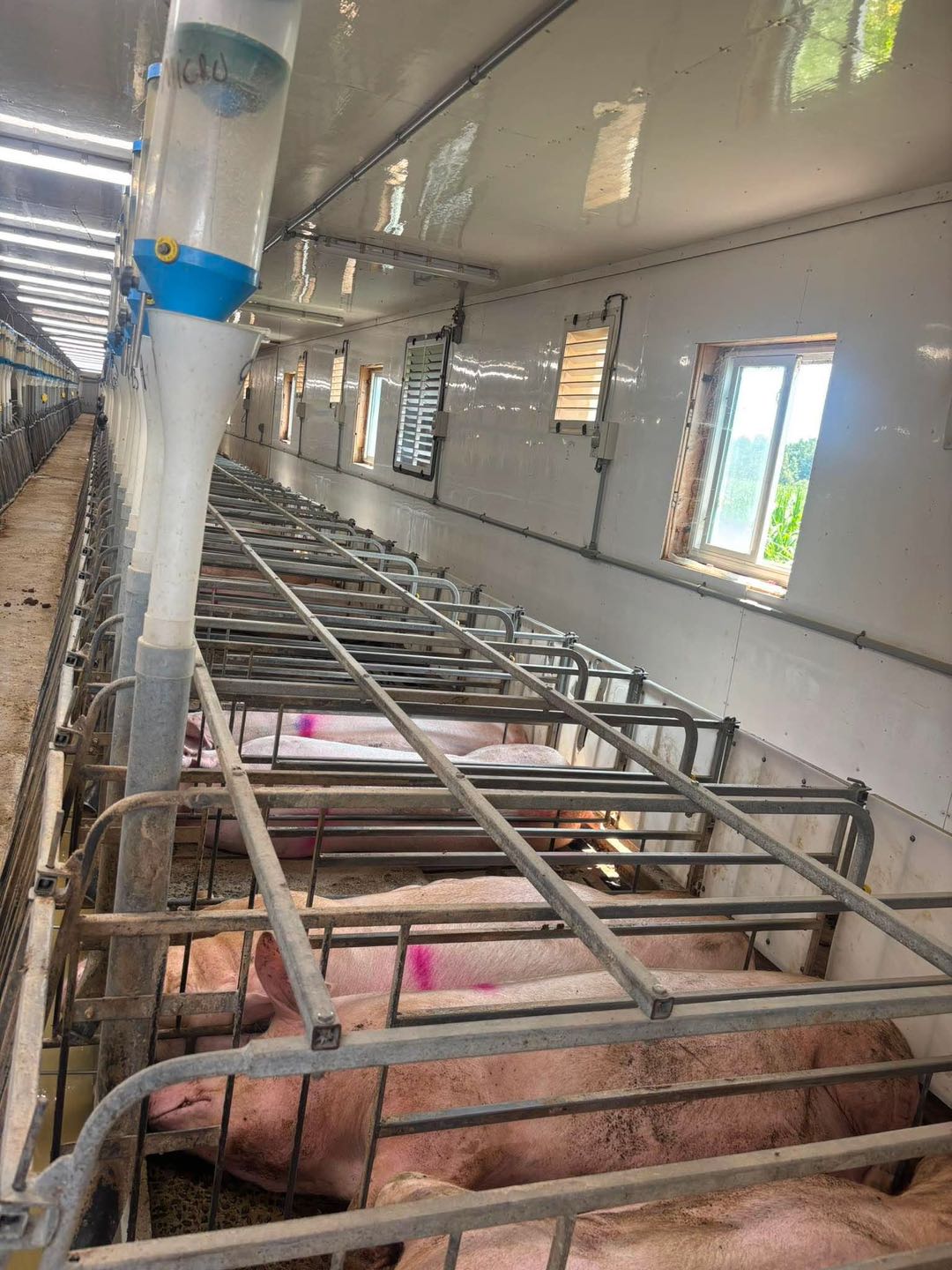
Iron-Pierced Pig Pens: The Enduring Value and Market Adaptability of Traditional Design
2025-11-24
Iron-Pierced Pig Pens: The Enduring Value and Market Adaptability of Traditional Design

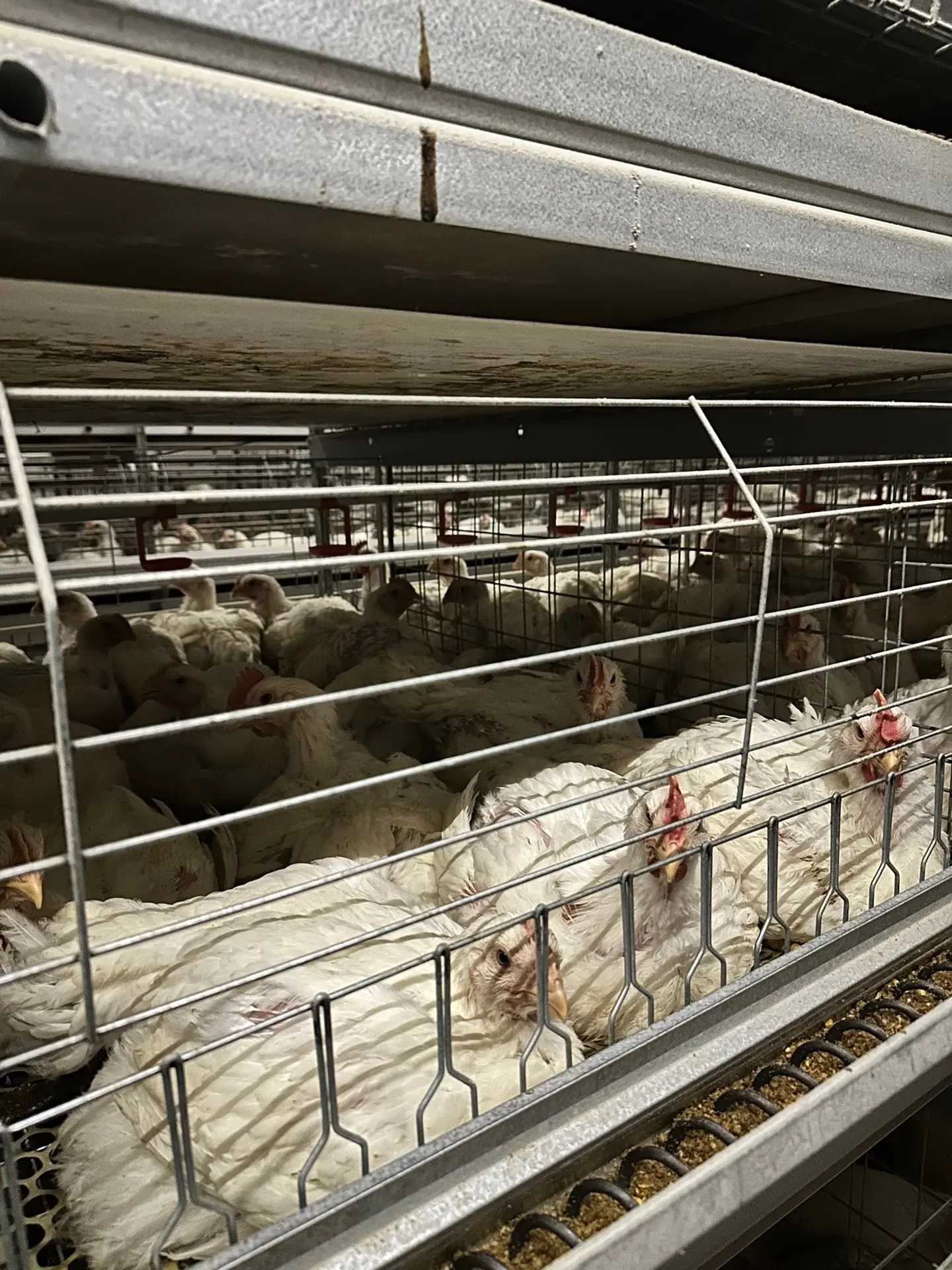
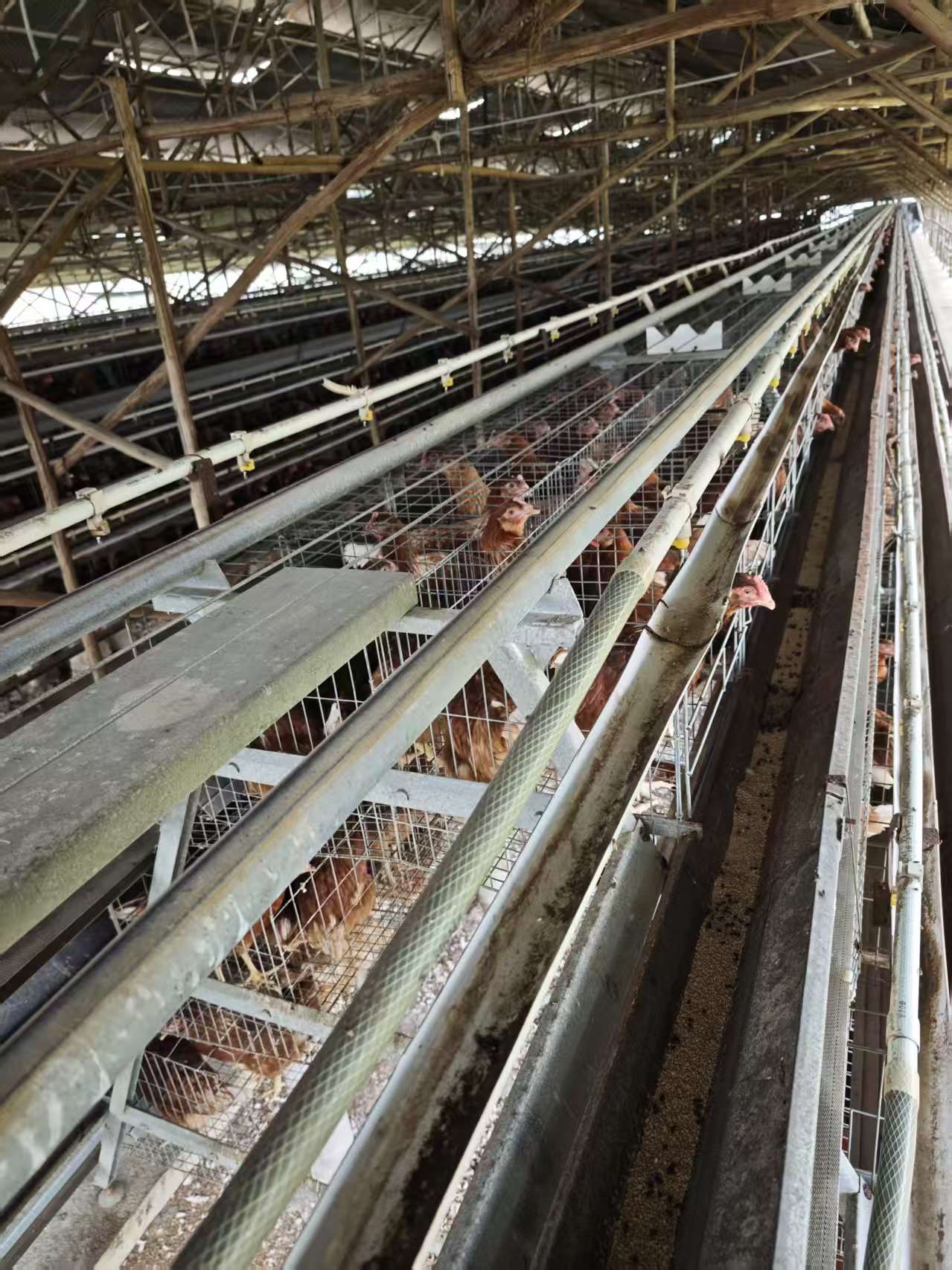
Multi-layer Stepped Laying Chicken Cage A-shaped Cascade Chicken Cage, Chicken Cage for Chicken Coop Farms
2025-11-21
Multi-layer Stepped Laying Chicken Cage A-shaped Cascade Chicken Cage, Chicken Cage for Chicken Coop Farms
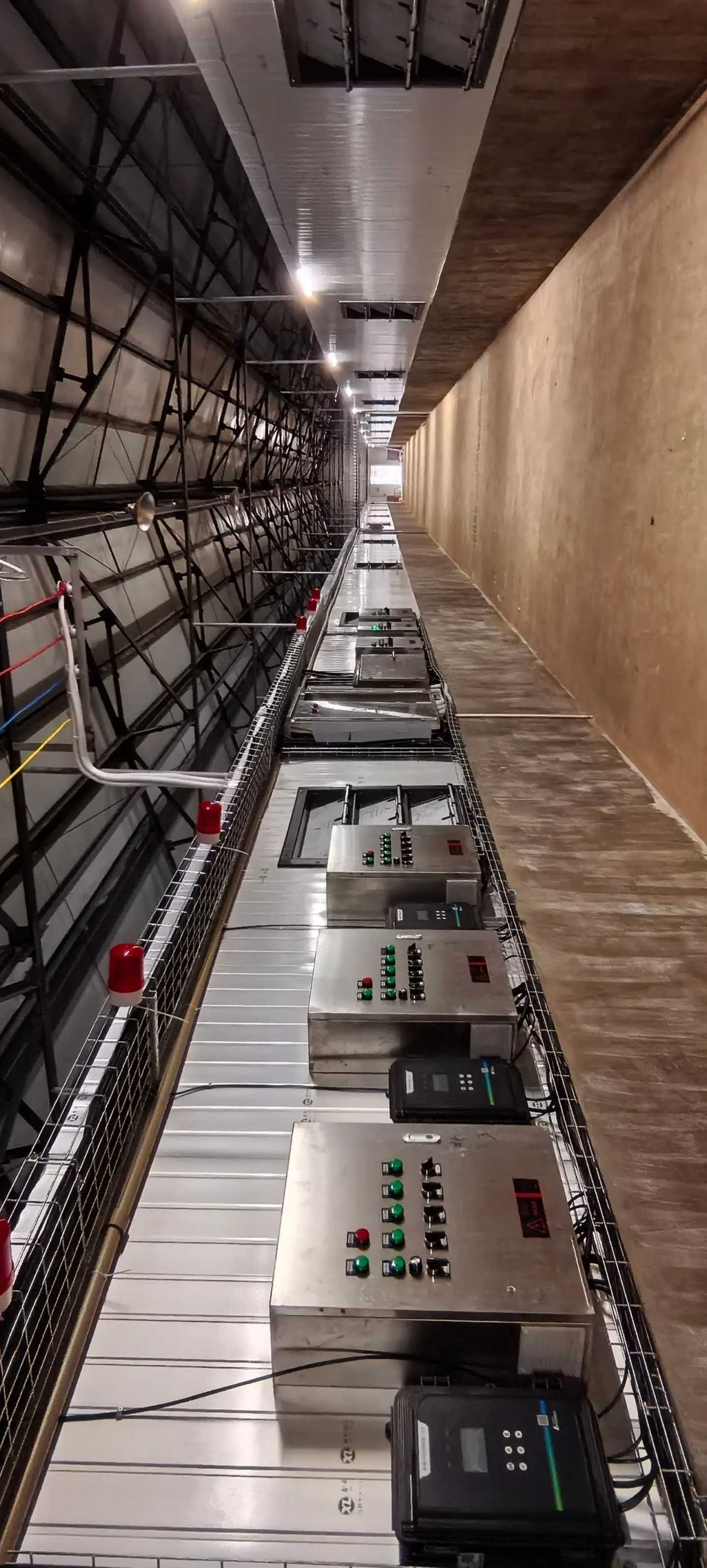
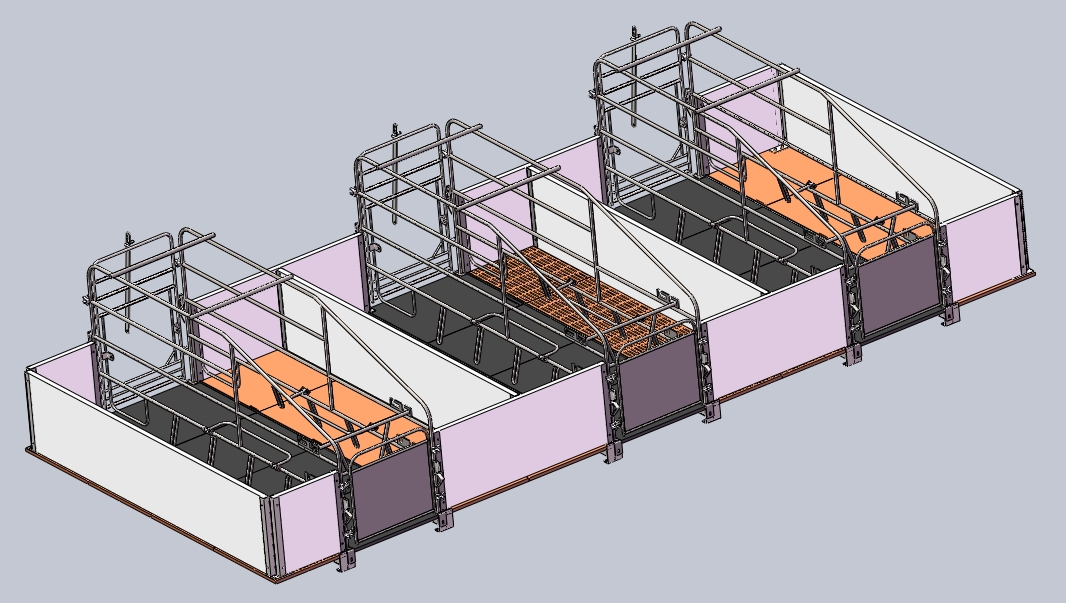
A New Benchmark for Green Farming: Modern Design and Ecological Practices of a 10,000-Sow Farm
2025-11-14
A New Benchmark for Green Farming: Modern Design and Ecological Practices of a 10,000-Sow Farm

Poultry farm Water pressure regulators
2025-11-05
Water pressure regulators are a core component of automated drinking systems in poultry farms. They precisely control the pressure in the water pipes, ensuring poultry always have access to adequate, clean drinking water. Below, I will provide a detailed analysis of this crucial device from three aspects: its main functions, manufacturing materials, and development trends.
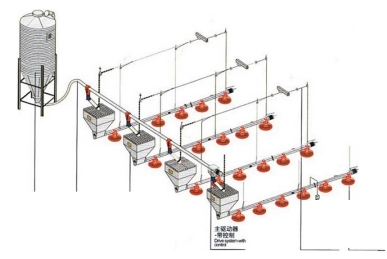
Poultry Feeed Silo Main Feed Line Drinking Line
2025-10-31
Poultry Feeed Silo Main Feed Line Drinking Line
Complete Chicken Poultry Feed Line Project Farm Equipment for Sale Automatic Chicken Feeder Poultry Automatic Feeding System
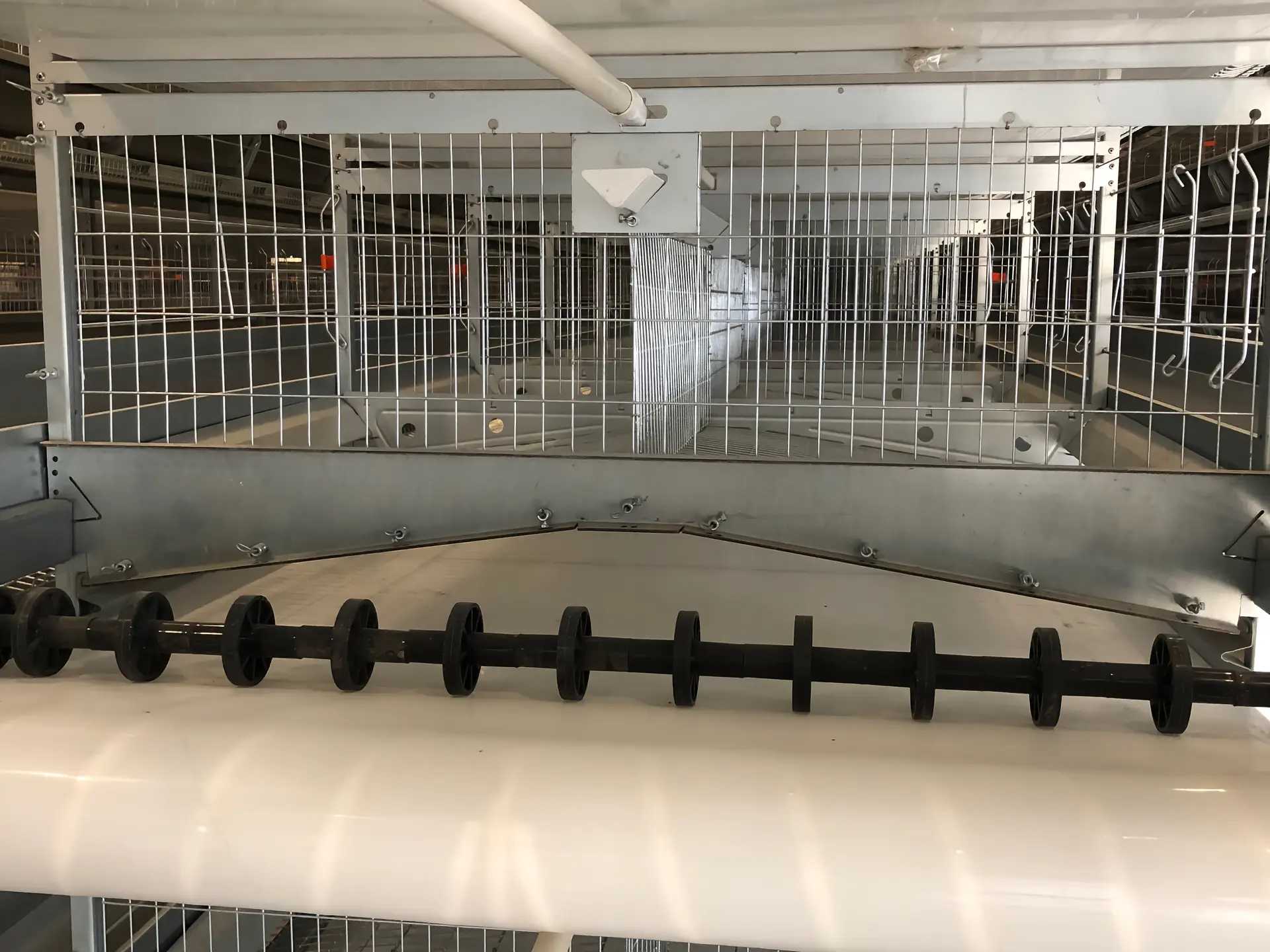
PP manure belt: manure cleaning technology and environmental protection in modern cage chicken farms
2025-10-10
PP manure belt: manure cleaning technology and environmental protection in modern cage chicken farms
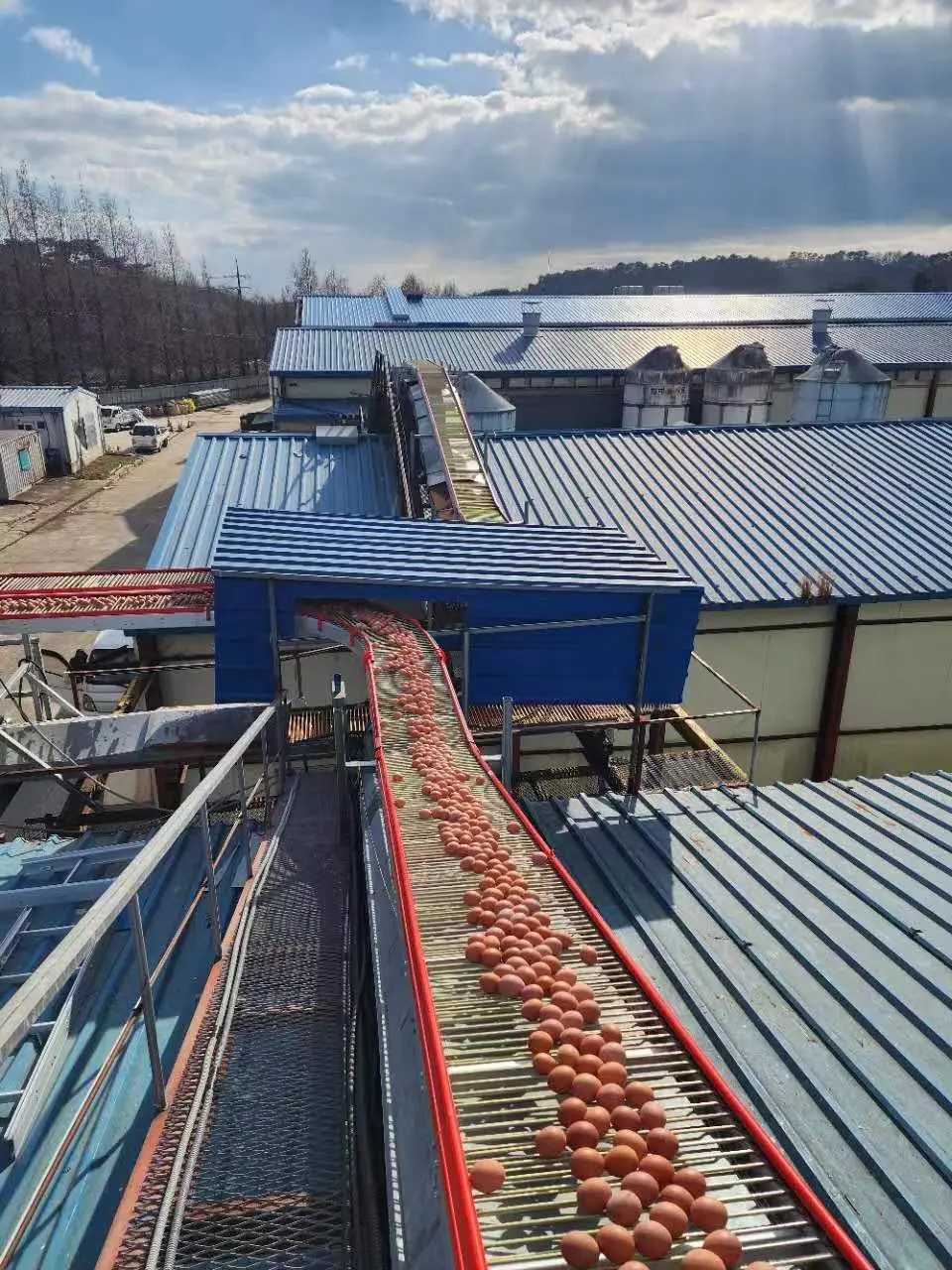
The "Egg Highway" of the Modern Chicken House: The Application and Revolutionary Benefits of Centralized Egg Collection
2025-10-08
The "Egg Highway" of the Modern Chicken House: The Application and Revolutionary Benefits of Centralized Egg Collection
How to use central egg collection equipment in modern chicken houses and what are the benefits?
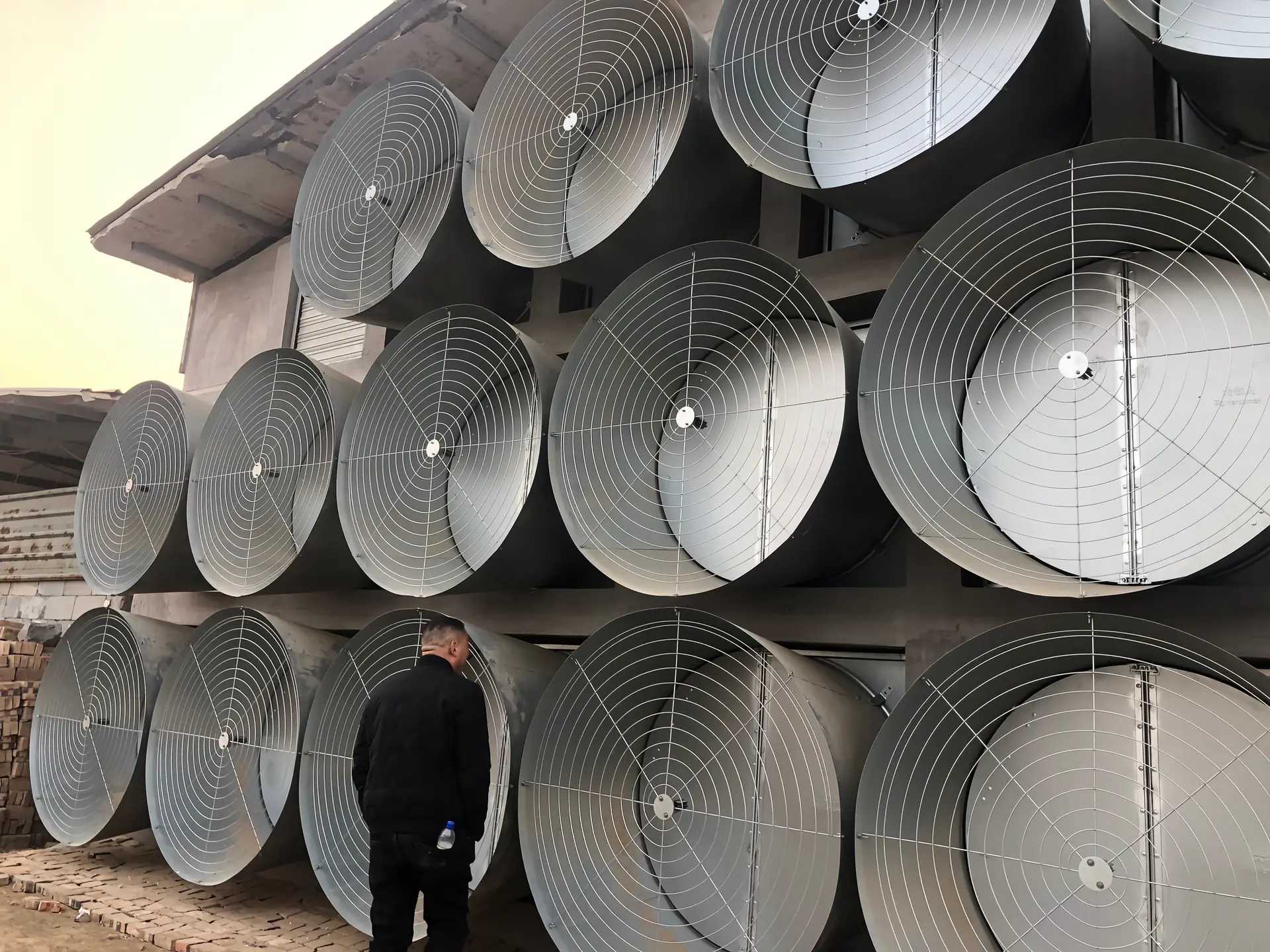
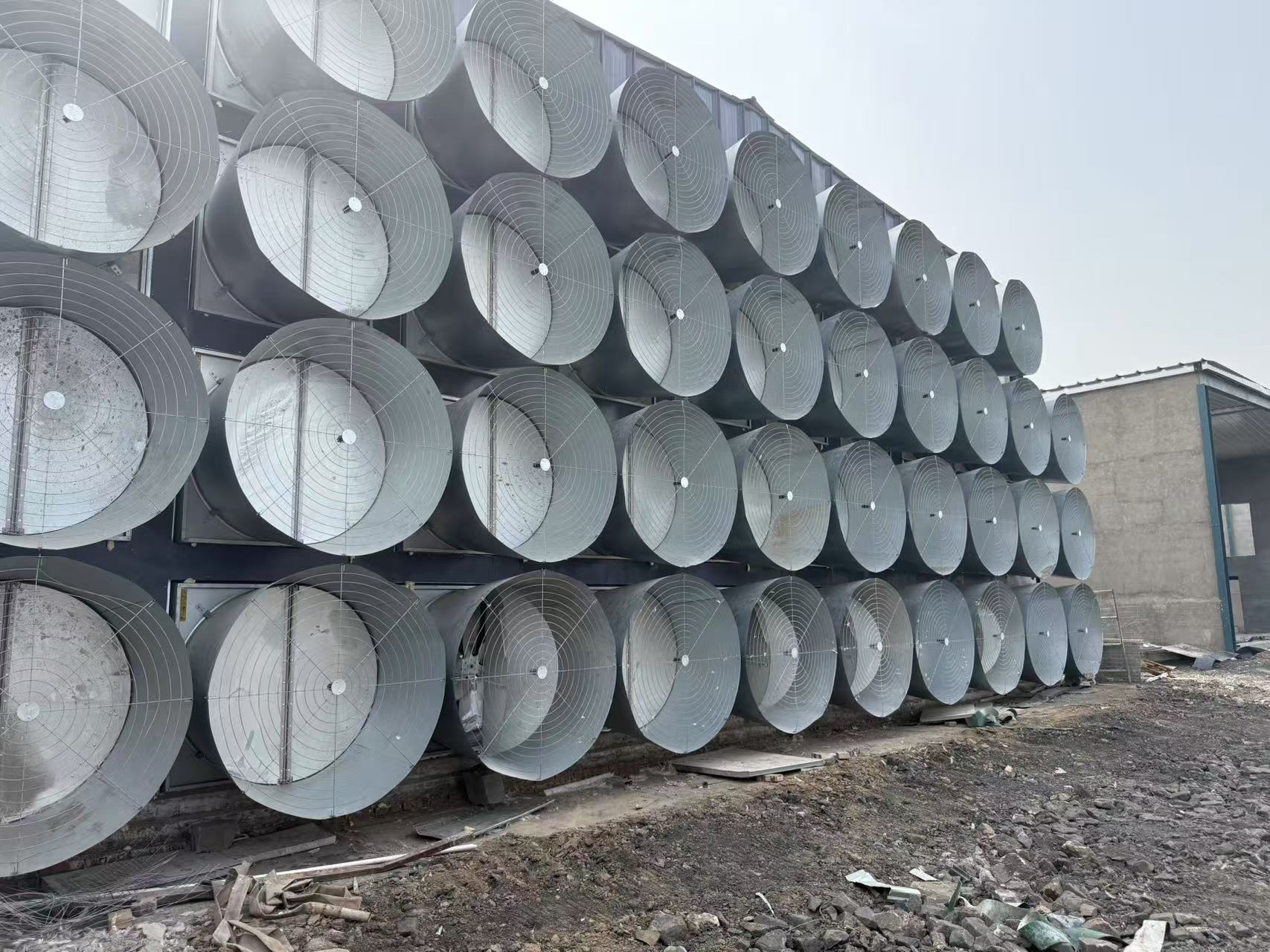
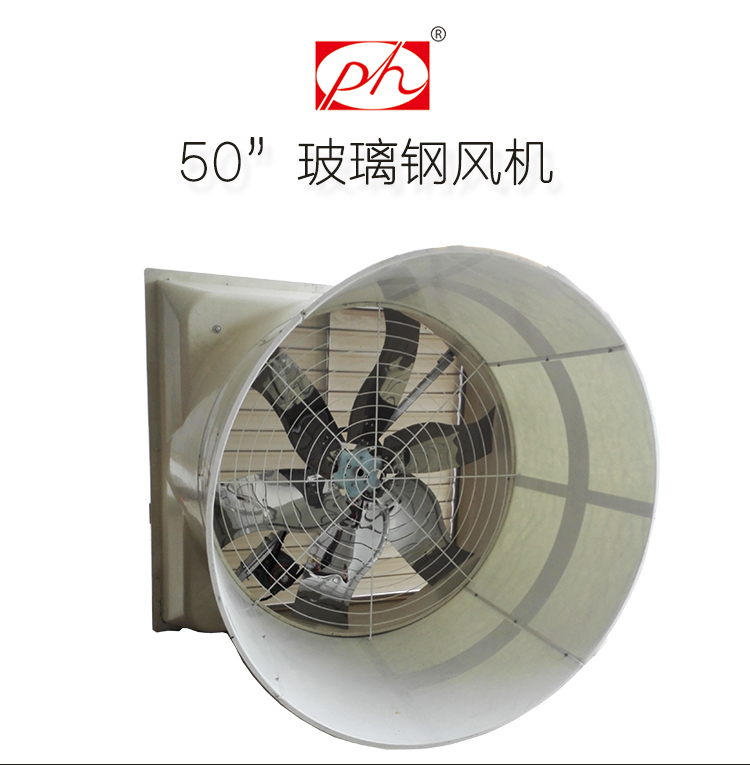
The "Breathing Lungs" of Modern Automatic Farming: Analysis of the Core Influence and Function of Fan Equipment
2025-10-05
The "Breathing Lungs" of Modern Automated Farming: An Analysis of the Core Impact and Role of Fan Equipment
In the grand blueprint of modern automated farming, we often focus on precise feed lines, clean water lines, and intelligent environmental control systems, but often overlook the critical equipment that operates silently and every second: the fan. Far from being a simple ventilation device, it serves as the "breathing lung" that maintains the balance of the entire farming ecosystem, impacting every aspect of animal health, production efficiency, and sustainable development.
1. From Survival Guarantee to Environmental Regulation: The Foundation and Core Role of Fans
In traditional farming, ventilation merely meets the most basic oxygen needs of livestock and poultry. However, in modern high-density farming models, fans have evolved into a complex and sophisticated environmental control system.
Precise Regulators of Temperature and Humidity: Livestock and poultry are warm-blooded and extremely sensitive to temperature. Through the "air cooling effect," fans can maintain the perceived body temperature of livestock and poultry within the optimal range. During the hot summer months, longitudinal fans (tunnel fans) work in conjunction with the wet curtain system to generate strong through-drafts, achieving efficient evaporative cooling and preventing heat stress that can lead to reduced feed intake, slowed growth, and even mass mortality. Furthermore, through continuous ventilation, fans effectively remove excess moisture from the barn, preventing damp and compacted bedding, inhibiting the growth of pathogens, and providing a dry and comfortable living environment for the animals.
A "Scavenger" of Harmful Gases: Animal respiration and the decomposition of feces produce large quantities of harmful gases such as ammonia, hydrogen sulfide, and carbon dioxide. High concentrations of ammonia can damage the respiratory mucosa, making animals susceptible to infections such as mycoplasma and E. coli. Fans use continuous negative pressure ventilation to force these "invisible killers" out of the barn while simultaneously introducing fresh air, acting like continuous "hemodialysis" within the barn, fundamentally safeguarding the health of the respiratory system.
II. The Engine Driving Automation and Digitalization
The deep integration of fan equipment with modern automated farming has enabled it to transcend the simple function of environmental regulation and become the core engine driving the entire intelligent and digitalized system.
Environmental Control System Execution Terminals and Data Sources: In automated farming systems, fans are the most important execution terminals for environmental controllers. Based on real-time data from temperature, humidity, and static pressure sensors, the controller issues commands to control fan start/stop, fan quantity, and speed (for variable-frequency fans). This closed-loop control is the foundation for "set it and forget it" automated management. Furthermore, the fan's operating status (such as current and speed) itself provides valuable feedback, used to assess equipment health, calculate energy consumption, and optimize ventilation strategies.
The cornerstone of biosafety: By creating a stable, controllable negative pressure environment within the barn, fans ensure air flows through designated clean air inlets (such as wet curtains and sidewall sashes), preventing unfiltered air from entering freely and forming a dynamic biosafety barrier. This not only prevents the intrusion of external pathogens but also, through uniform airflow, avoids dead spots and drafts within the barn, ensuring a consistent and equitable environment.
3. Profound Impact on Production Efficiency and Sustainable Development
The efficiency of fan equipment directly determines the economic benefits and ecological footprint of a farm.
Improving Production Performance and Ensuring Animal Welfare: A comfortable environment precisely controlled by fans maximizes the genetic potential of animals. Livestock and poultry within their comfort zone achieve the highest feed conversion rate, fastest growth rate, and most stable egg production. Furthermore, good air quality, temperature, and humidity significantly reduce the incidence of respiratory and leg diseases, lower veterinary drug costs, and significantly improve animal welfare—these are core competitive advantages for the future of the livestock industry.
Key to Energy Saving and Resource Recycling: Modern fan technology, particularly variable frequency technology, has enabled the transition from extensive ventilation to precision ventilation. Fans no longer simply turn on or off, but instead smoothly adjust air volume based on actual needs, avoiding energy waste. In cold weather, by precisely calculating the minimum ventilation rate, fans can minimize heat loss while maintaining air quality, saving significant heating energy. Furthermore, a stable ventilation environment facilitates the timely removal and resource utilization of manure.
Conclusion
In summary, fans have evolved from a supporting role in traditional farming to an indispensable core pillar of modern automated farming. They are not only the physical executors of environmental control but also the hub connecting automation, data, and biosafety. The modernization of a farm can be largely measured by the design, control, and management of its fan system. In the future, with the further integration of the Internet of Things, artificial intelligence, and big data analytics, fans will become even more intelligent, able to predict weather changes and learn from livestock and poultry behavior patterns, enabling more proactive and adaptive environmental control. They will continue to serve as the "lungs" of the farming industry, driving the entire industry towards greater efficiency, health, and sustainability.
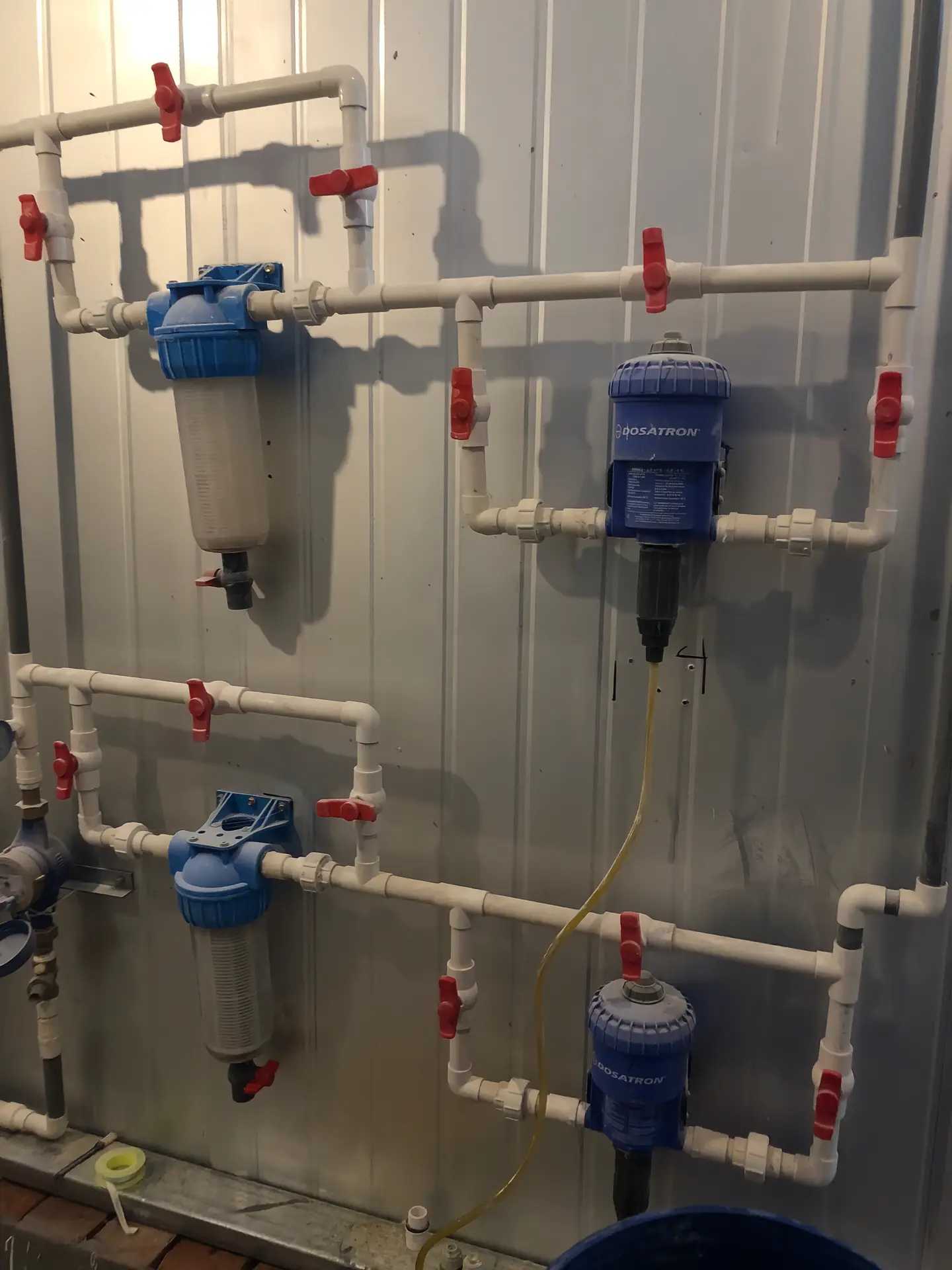
What does the front end of the water line look like in a cage?
2025-10-03
What does the front end of the water line look like in a cage?