inquiry
Leave Your Message
0%

When it comes to managing young horses, moving foals through the 'Wean Stall' process is a pretty big deal. Dr. Emily Carter, who’s an expert in how horses behave at Equine Health Innovations, really emphasizes how crucial it is to have a solid plan. She says, "A well-thought-out weaning process lays the foundation for a healthy, well-adjusted horse." Basically, she’s highlighting just how important it is to handle this step carefully and systematically.

Having a good 'Wean Stall' checklist is a lifesaver because it acts like a game plan, helping caretakers keep everything on track. It guides you through each key step — from making sure foals and their moms are getting the right nutrition, to socializing the young ones, and keeping a close eye for signs of stress. Watching how a foal behaves during this time can sometimes reveal surprises you didn’t see coming.

Of course, things don’t always go perfectly. Some foals might be pretty resistant to leaving their moms or might find the new environment a bit overwhelming. Keeping notes on these behaviors can really help you figure out what works best for each situation. Reflecting on what has or hasn’t worked before is a great way to keep improving your approach. The world of horse weaning is always changing, and professionals need to stay open to learning new tricks. Every weaning experience offers lessons that can make your next one even smoother.
How to Wean Stall Checklists for Successful Transition?

Understanding the Concept of Weaning in Stall Management

Weaning is a crucial stage in stall management. It involves transitioning young animals from nursing to solid food. This process is not just about nutrition; it’s about ensuring the animal’s overall well-being. A well-managed weaning strategy can greatly impact growth and health.

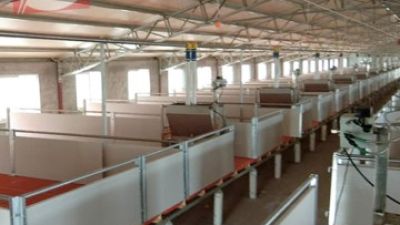
Understanding the needs of both the animal and the environment is vital. Factors such as stress levels during weaning can affect outcomes. Creating a calm environment in a Steel Pig Stall might seem simple, but it requires attention. Animals often display signs of anxiety when separated from their mothers. Recognizing these signs can lead to better management and care.

While planning the weaning process, it’s important to consider individual animals. Each young animal might react differently. Some may adapt quickly, while others need more time. A checklist can help ensure that every detail is covered. However, it’s essential to remain flexible and adapt to each situation. Not all plans go smoothly, and this can lead to reflection on what works best in the future.

Identifying the Right Time for Weaning Your Stall

Determining the right time to wean foals can be challenging for many stall owners. Generally, foals are weaned between four to six months of age. Signs of readiness include increased independence from their mothers. Observe how the foal interacts with other horses. If they are showing interest in socializing outside of nursing, it might be time to consider weaning.

Health is another critical factor. Foals should display consistent growth and develop strong teeth. A check-up with a veterinarian can confirm readiness for weaning. Monitor nutritional needs carefully. If the foal is reliant on its mother for sustenance, delaying weaning could be best. Each situation is unique, and understanding these signs can ease the transition.

Emotional readiness matters too. Foals may display signs of anxiety when separated from their mothers. If so, a gradual weaning process can be beneficial. This could involve spending time with other horses first. The transition might not always go smoothly, and that's okay. Reflect on the individual behaviors of both the mare and foal. Adjustments will often be necessary.

Preparing the Stall for a Smooth Transition

Preparing a stall for a smooth transition is crucial in pig breeding. Creating the right environment helps reduce stress. Start by ensuring that the area is clean. Remove any waste and old bedding. Fresh bedding can help the pigs feel more comfortable.

Consider the space and layout within the Pig Breeding Stall. Make sure there is enough room for each pig. Overcrowding can lead to fighting and anxiety. Provide ample space in separate areas for feeding and resting. These details matter significantly.

Tips: Use calming scents, like lavender, to ease the pigs as they transition. Observe their behavior closely. If they seem anxious, adjust your approach. Regularly check for signs of stress. Small adjustments can make a big difference. Always be ready to adapt.

Creating a Weaning Checklist: Essential Items to Consider

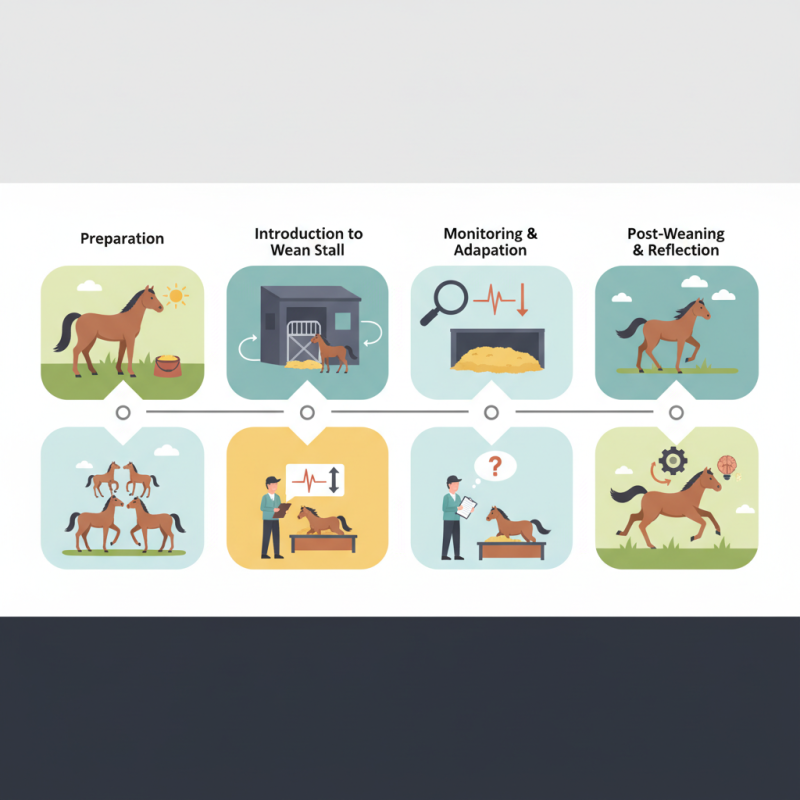
Creating a weaning checklist is essential for a smooth transition for both foal and mare. Start by ensuring the foal is at least four to six months old. This is a critical age for separating from the mother. Check if the foal is eating solid food regularly. A balanced diet will ensure proper nutrition during this period. You might need to introduce hay or special feed before separation.

Consider the foal’s health. A thorough veterinary examination is wise. Keeping vaccinations and deworming up to date is crucial. Observe the foal’s emotional well-being. Continuously monitor stress levels. Separation anxiety can affect a foal's growth.

Social interaction is important. Ensure the foal has company, like other weaned foals. This may help ease loneliness. Reflect on your own readiness for weaning. Are you fully prepared for the challenges? It’s not just about the foal; you have responsibilities too. Make sure your facilities are safe and comfortable. Preparing in advance can prevent issues later.

Monitoring Health and Behavior During the Weaning Process

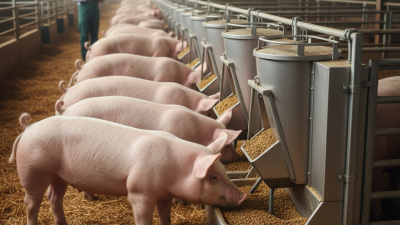
Weaning is a critical phase in livestock management, especially for pigs. Monitoring health and behavior is essential during this transition. A close watch on the Finishing Pig Stall can reveal signs of stress. Pigs may display increased vocalization or restlessness. Observers should take note of such behaviors and assess the overall environment.

Health checks are also vital. Ensure pigs have access to fresh water and appropriate feed. Monitoring body condition regularly can help identify those in need of immediate attention. Look for weight fluctuations, which may indicate issues. Implementing a daily routine can foster a sense of stability for both pigs and caretakers.

It's important to document any changes. Keeping detailed records helps inform future decisions. Reflection on observed behaviors can lead to improvements in management practices. Sometimes, an unexpected issue arises. Adapting to these moments creates better outcomes in the long run. Having a well-structured approach when monitoring Finishing Pig Stall conditions ensures the smoothest possible transition.

Post-Weaning Care: Ensuring a Successful Adjustment

How to Wean Stall Checklists for Successful Transition?

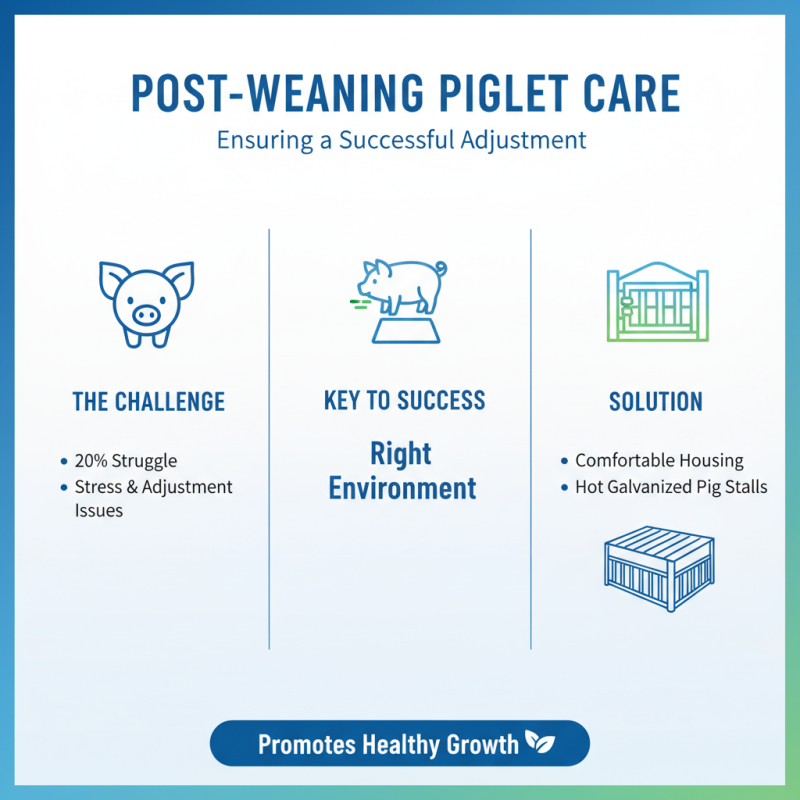
Post-weaning care is crucial for a successful transition of piglets from nursing to solid food. Studies indicate that around 20% of piglets struggle during this period, facing stress and adjustment issues. Providing the right environment can mitigate these challenges. Comfortable housing, such as Hot Galvanized Pig Stalls, ensures a stress-free atmosphere that promotes healthy growth.

One vital tip is to introduce solid food gradually. Start with a high-quality starter feed that attracts their interest. This encourages exploration and helps piglets learn to eat independently. Monitoring their intake will give insight into their adaptation.

Another aspect to consider is social dynamics. Grouping piglets in small, familiar groups reduces anxiety. Research shows that social stress can hinder growth by up to 30%. Creating a friendly environment will support their emotional well-being. Consistent routines and familiar surroundings also play a role in stabilizing their transition.

Evaluating the Weaning Experience: Lessons Learned for Future Transitions

Weaning is a delicate process that can shape future transitions. Understanding the weaning experience helps to improve outcomes. Reflecting on what worked and what didn’t is essential. Each transition provides valuable insights.

Tips: Start early. Familiarize foals with new settings. Gradual adjustments help ease the adjustment period. Pay attention to their behavior. Signs of stress can indicate a need for change.

During the weaning process, having a checklist can keep things organized. Ensure physical and emotional needs are met. Monitor health closely, as this impacts overall well-being. Some might struggle with separation anxiety, so support is key. This transition is as much about mental health as it is about physical changes.

Tips: Maintain routines. Consistency provides comfort. Create a conducive environment with safe spaces for the foals. Observe interactions with peers to gauge emotional responses.

Not every experience will be perfect. Recognize that setbacks can occur. These challenges offer opportunities for growth. Evaluate what is learned with each transition. Embracing imperfections can lead to better practices in the future. Continuous learning is vital in ensuring a successful journey for both foals and caretakers.

Innovative PVC Panel Nursery Crates: Custom Size Solutions for Efficient Piglets Stall Management

In the realm of piglet rearing, efficient stall management is crucial for ensuring the health and well-being of young swine. Innovative PVC panel nursery crates offer a versatile solution tailored to meet the specific needs of piglet stalls. The ability to customize the size of these crates ensures optimal space utilization, accommodating growing piglets while maintaining a safe and comfortable environment. This adaptability allows farmers to implement efficient management strategies that nurture young animals through their critical early stages.

The PVC material used in these nursery crates provides several advantages. It is not only durable and easy to clean, ensuring hygienic conditions, but also lightweight, facilitating mobility within the barn. This flexibility enables farmers to rearrange stalls as needed, whether for cleaning or reconfiguration of spaces, thus maximizing efficiency in management practices. By investing in customized PVC panel nursery crates, farmers can create a tailored environment that supports the growth of piglets while simplifying day-to-day operations.

FAQS

: What age should a foal be for weaning?

: A foal should be at least four to six months old for weaning.

How can I ensure my foal is prepared for weaning?

Check if the foal is eating solid food regularly. A balanced diet is crucial.

Why is monitoring emotional well-being important during weaning?

Separation anxiety can affect a foal's growth. Observation can help manage this stress.

How can social interaction help a weaned foal?

Company from other weaned foals can ease feelings of loneliness.

What should I do if my pig shows signs of stress during weaning?

Increased vocalization or restlessness indicates stress. Assess and adjust the environment.

Why is health monitoring vital during weaning?

Regular health checks ensure pigs receive adequate feed and water. Weight fluctuations need attention.

How can I organize the weaning process effectively?

Use a checklist to keep track of the foal’s needs. Manage both physical and emotional aspects.

What lessons can be learned from the weaning experience?

Reflect on successes and failures. Each transition offers insights for future improvements.

Is it normal to face challenges during weaning?

Yes, setbacks can occur. Recognizing them leads to better practices.

How can I create a comforting environment for weaned animals?

Maintain routines and provide safe spaces. Monitor interactions with peers closely.

Conclusion

The article "How to Wean Stall Checklists for Successful Transition" provides a comprehensive guide for effectively managing the weaning process in stall environments. It begins by clarifying the fundamental concept of weaning in stall management, emphasizing the importance of timing in ensuring a smooth transition. Preparing the stall for the young animal is crucial, and the article offers practical checklists that detail essential items to consider for both physical space and emotional well-being.

During the weaning process, monitoring health and behavior becomes imperative to identify any potential issues early on. Post-weaning care is also addressed, focusing on strategies to facilitate a successful adjustment for the animal. Finally, the article encourages evaluating the overall weaning experience, helping caretakers glean valuable lessons for future transitions. Ultimately, understanding and implementing these steps can lead to a seamless wean stall experience, fostering better outcomes for both the stall occupants and their caretakers.
Ethan

Ethan

Ethan is a dedicated marketing professional with extensive expertise in the agricultural technology sector. With a strong focus on feeding systems, nipple drinking systems, ventilation and cooling solutions, and environment control systems, he plays a vital role in promoting the company's......
Previous How to Choose the Best Chicken Water Drinker for Your Flock?