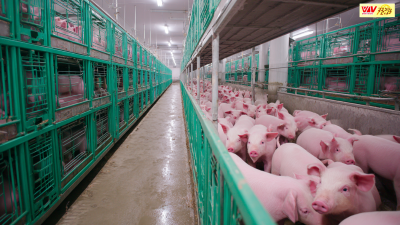
You know, the livestock industry is really changing fast these days, especially with new tech coming into play—stuff like smarter feeding systems. At the upcoming 2025 China 138th Canton Fair, you’ll see a lot of attention on innovations like Automatic Pig Feeders, which kinda illustrate how everyone’s aiming for more efficiency and better productivity in animal farming. I came across a report from Grand View Research that says the global market for automatic feeding systems could hit around $8.4 billion by 2027—pretty impressive! That surge is mostly because people are looking for more sustainable farming ways and want to make sure animals are well taken care of. 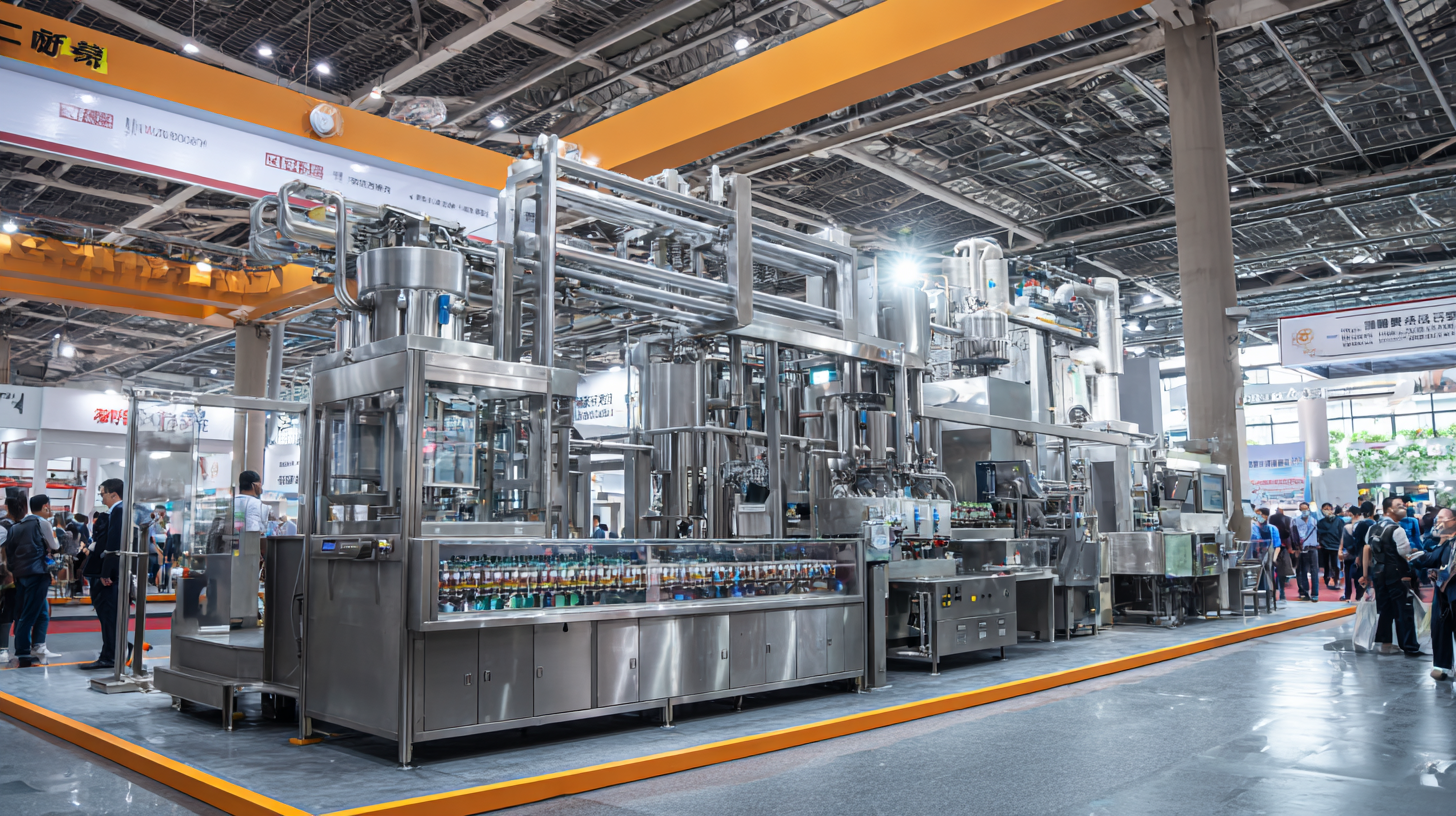
Companies like Qingdao Puhui Agriculture and Animal Husbandry Science And Technology Co., Ltd. are really leading the charge here. They’re not just making these high-tech feeding systems but also working on nipple drinkers, ventilation, cooling, and overall environmental controls. Plus, they’re busy designing and building modern farms for broilers, ducks, and pigs—so the industry’s future is all about blending new tech with eco-friendly practices. It’s pretty exciting to see how everything’s coming together, isn’t it?
Advancements in Automatic Pig Feeders: A Focus on Efficiency and Productivity
Advances in automatic pig feeders really make a big difference when it comes to boosting efficiency and productivity in pork farming. More and more farmers are turning to precision feeding tech to get the most out of their feed while cutting down on waste. Since feed costs make up over 60% of the total expenses, innovations that allow these feeders to dispense just the right amount can really help save a lot of money. Plus, these systems let farmers keep an eye on feed intake in real-time, which means better management of young pigs and growers — helping them gain weight and stay healthy.
There’s also a lot of potential when you combine eco-friendly feed options with these automated systems. Tailoring feed to meet the exact nutritional needs of pigs not only keeps them healthy but also reduces environmental impact by better managing waste like nitrogen and phosphorus. As they’re saying at the upcoming Canton Fair, blending tech with traditional farming practices is going to be key to boosting industry productivity, while also tackling important issues like animal welfare and sustainability. It’s pretty exciting stuff that could really shape the future of pig farming.
Exploring Trends and Innovations in Automatic Pig Feeders at the 2025 China 138th Canton Fair
This bar chart illustrates the advancements in efficiency and productivity of automatic pig feeders as observed during the 2025 Canton Fair. It highlights the percentage increase in key metrics such as feed conversion rate, labor efficiency, and overall productivity improvement over the past five years.
Market Analysis: Growth Projections for Automatic Pig Feeders Industry by 2025
The automatic pig feeder industry is really heading for huge growth by 2025, thanks to tech breakthroughs and the push for more efficient livestock management. As pig farmers around the world start to embrace automation, the market for these automatic feeders is expected to grow quite a bit. Rising labor costs and the need to boost productivity have farmers looking for smarter feeding solutions that cut down on waste and help them stay on top of feeding schedules. This trend is especially noticeable in places like China, where pig farming plays a huge role in agriculture.
On top of that, new tech stuff like sensors, data analytics, and IoT is set to totally change how these feeders work. With these innovations, farmers can feed more precisely, keep a closer eye on animal health, and promote better overall welfare. Plus, as people are increasingly demanding sustainably produced pork, automated feeding systems can help farmers meet those expectations by keeping feeding practices consistent and reducing environmental impacts. The upcoming Canton Fair in 2025 will be a key event to showcase these cutting-edge advances, showing how the industry is really focused on being more efficient, eco-friendly, and profitable in pig farming.
Technological Innovations: IoT and AI in Modern Pig Feeding Solutions
So, at the 2025 China 138th Canton Fair, everyone’s really buzzing about how tech is shaking up farming — especially when it comes to pig feeding. It’s pretty exciting stuff: the buzzwords are IoT and AI being used in automatic pig feeders, and honestly, it feels like a whole new world for agriculture. These tech innovations let farmers give each pig just the right amount of food they need, which means pigs grow faster, healthier, and farming gets more efficient overall.
Now, Qingdao Puhui Agriculture and Animal Husbandry Science and Technology Co., Ltd. is seriously leading the charge here. They’ve got a bunch of high-tech feeding systems and environmental controls that are changing the way traditional farms operate. When farmers can use IoT gadgets to keep an eye on feeding patterns and tweak things on the fly, it’s not just about saving time — it’s also better for the planet and the animals. As more farms modernize, the impact of AI and IoT in creating smarter, more responsive feeding systems won’t just be a trend — it’s set to totally revolutionize agriculture as we know it.
This integration of technology in farming practices not only enhances productivity but also ensures sustainability. The emphasis on precision feeding means less waste and a lower carbon footprint, aligning with global efforts to promote eco-friendly agriculture.
Sustainability Trends: Reducing Waste and Enhancing Animal Welfare with Automation
So, I recently checked out the exploration of automatic pig feeders at the 2025 China 138th Canton Fair—pretty interesting stuff. It really highlights how important sustainability is these days, especially in modern farming. With all the buzz around Precision Livestock Farming (PLF), these automatic feeders aren’t just about feeding pigs more efficiently; they're also about making sure our furry friends are treated well. Thanks to smart sensors and IoT tech, these feeders can keep an eye on pigs’ health and eating habits in real-time. That means less waste and better nutrition that’s tailored just for each pig—pretty neat, right?
And get this, AI is starting to shake things up even more. Livestock management with AI isn't just future stuff—it’s happening now. These smart solutions can crunch tons of data to help farmers get better feed conversion rates and lower the environmental footprint of farming. It all lines up with the global push for sustainability, especially when we're facing big challenges like food security as populations grow. All these innovations in automatic pig feeders are paving the way for a future where farming isn’t just about making money; it’s about being kinder to the planet too. It’s cool to think that farming practices will soon be more sustainable and responsible, helping to build a better, more balanced food system for everyone.
Global Case Studies: Successful Implementations of Automatic Feeders in China
The 2025 China 138th Canton Fair is truly a great chance to get a firsthand look at the latest trends in automatic pig feeders. One of the cool things about this event is the bunch of global case studies showcasing how farms in China have successfully adopted these systems. It’s pretty exciting to see how the market for automatic livestock feeders is expected to grow quite substantially — experts are talking about a compound annual growth rate of around 6.5% over the next five years. Sounds like a big deal, right? The main drivers behind this? Well, it's mainly because farms are looking for smarter ways to work more efficiently, especially with labor costs on the rise.
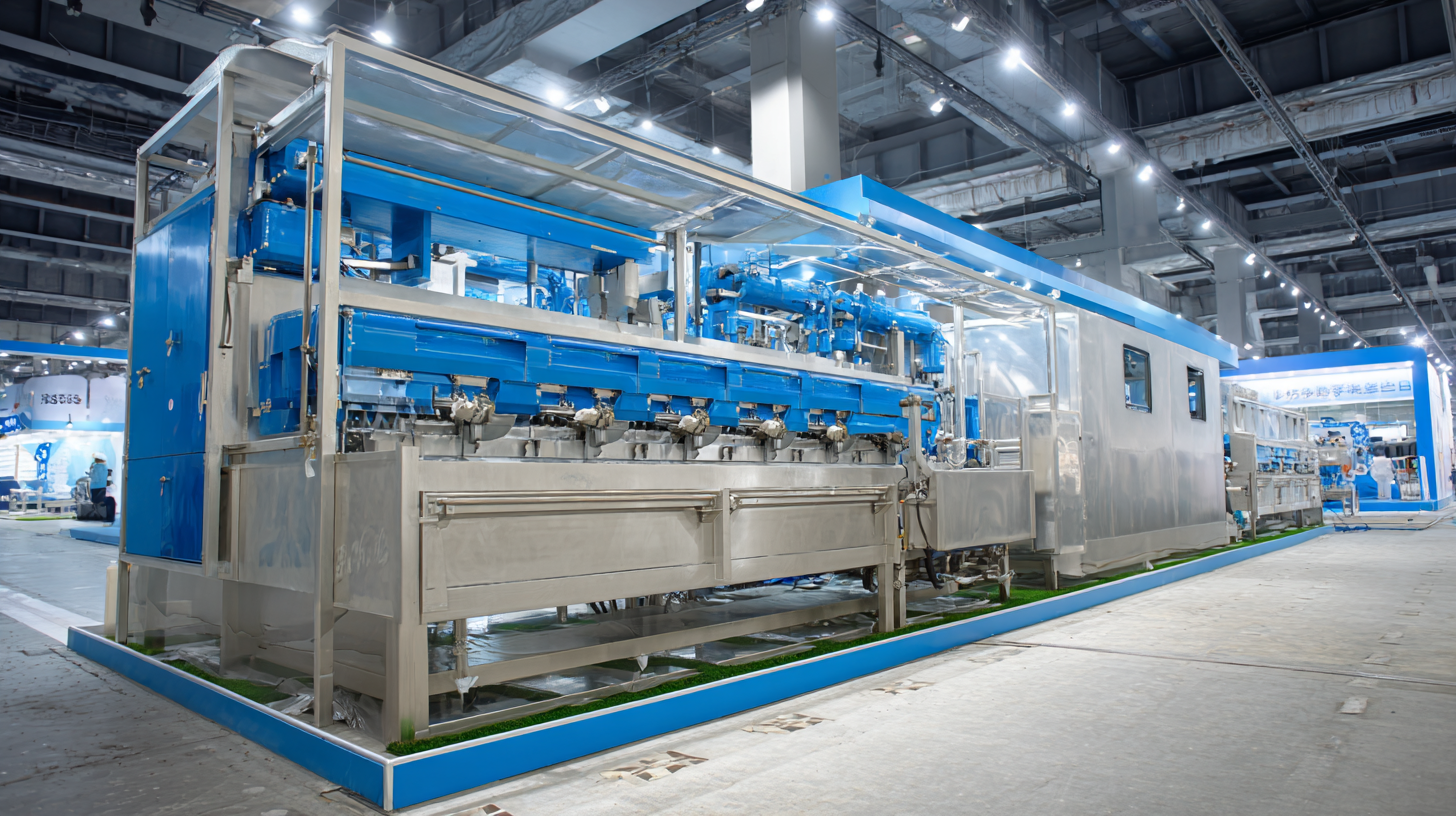
During the fair, several real-world examples really stood out. These farms have managed to integrate automatic feeders into their everyday routines with impressive results—think better feeding precision, less waste, and faster animal growth. For instance, some farms using these automated systems have seen feeding efficiency jump by as much as 30%. That can make a huge difference when you're trying to stay competitive. Plus, with the addition of smart robotics and real-time data analytics, we’re actually stepping into a new era of farming—where technology helps optimize feed delivery and keeps an eye on animal health more effectively than ever before. All in all, these innovations are not only raising the bar in animal husbandry but also aligning perfectly with the global push towards automation in agriculture. It’s pretty fascinating stuff!
Regulatory Impact: Understanding Compliance and Standards for Animal Feeding Systems
Hey there! So, at the 2025 China 138th Canton Fair, everyone’s really buzzing about automatic pig feeders. It’s a big deal because it highlights some pretty exciting trends and innovations in the industry—especially around making sure everything’s compliant with regulations and up to safety standards. With the world paying even more attention to animal welfare and feed quality these days, it’s super important for both manufacturers and farmers to get a handle on the regulatory landscape. Basically, they need to make sure their feeding systems aren’t just efficient but also meet local and international rules for animal feeding practices.
Take Qingdao Puhui Agriculture And Animal Husbandry Science And Technology Co., Ltd., for example. They’re really leading the charge with some pretty advanced feeding systems and related tech. But it’s not just about feeds; they’re also covering ventilation, cooling, and other environmental controls — all of which are vital for modern farms. As they participate in this major fair, Puhui stresses how crucial it is to build compliance into their designs and daily operations. That’s how they’re helping farms—whether for broilers, ducks, or pigs—become more sustainable and productive, all while keeping up with the changing standards in animal husbandry.
Exploring Trends and Innovations in Automatic Pig Feeders at the 2025 China 138th Canton Fair
| Innovation Type | Feature | Regulatory Compliance | Impact on Feed Efficiency | Future Trends |
| Smart Feeding Systems | Remote monitoring and control | Meets national animal welfare standards | Increases feed conversion rate by 15% | Integration with IoT technology |
| Automated Portion Control | Real-time weight measurement | Complies with feed safety regulations | Reduces wastage by 10% | AI-driven analytics |
| Nutritional Optimization | Customized feed formulations | Adheres to regional feeding guidelines | Enhances growth rate by 20% | Focus on sustainable ingredients |
| Data-Driven Feeding | Machine learning for feed prediction | Fulfills biosecurity protocols | Improves overall herd health | Emerging paradigm of precision farming |
FAQS
: The growth is driven by advancements in technology, rising labor costs, and a demand for higher productivity in livestock management.
Technologies such as sensors, data analytics, and IoT integration allow for precise feeding, better health monitoring, and improved overall animal welfare.
Sustainability is critical as automatic feeders help reduce waste, enhance feeding efficiency, and promote animal welfare while addressing environmental impacts.
PLF technologies utilize smart sensors and IoT to monitor the health and feeding habits of pigs, ensuring optimal nutrition and reducing waste.
The fair will showcase innovations and emphasize the industry's commitment to efficiency, sustainability, and profitability in pig farming.
The market is expected to grow at a compound annual growth rate (CAGR) of approximately 6.5% over the next five years.
Farms report increased feeding accuracy, reduced waste, and improved growth rates, with some achieving feeding efficiency increases of up to 30%.
The integration of AI and intelligent robotics allows for real-time data analytics to optimize feed delivery and monitor animal health effectively.
There is a growing consumer demand for sustainably produced pork, which automated systems can help address through consistent and efficient feeding practices.
By reducing waste and improving feed conversions, automatic feeders align agricultural practices with sustainability trends, addressing growing food security concerns.
Conclusion
Hey, so I came across this article about the 138th Canton Fair in China in 2025, and it’s all about the latest buzz in automatic pig feeders. Basically, it’s highlighting how these smart feeding systems are really making a difference by boosting efficiency and helping farms get more done. It’s pretty exciting because, according to projections, the market for these things is expected to explode by 2025. What’s really interesting is how IoT and AI tech are totally changing the game—making feeding smarter, more precise, and way more modern. Plus, there's a big focus on sustainability, trying to cut down on waste and make animal care better. All in all, automation is becoming a key part of farming these days.
The article doesn’t just talk theory though; it shares some pretty cool success stories from around the world, especially from China, showing how farms are actually using these automatic feeders effectively. If you’re into this stuff, you’ll also want to get a grip on the rules and regulations surrounding animal feeding systems so everything’s above board. By the way, Qingdao Puhui Agriculture and Animal Husbandry Science and Technology Co., Ltd. is doing some awesome work in this space—offering a wide range of solutions including automatic pig feeders. They’re helping push farms toward modernization and making livestock farming a lot more efficient and future-ready.

 +8618266221406
 Contact Phone
 Contact Email