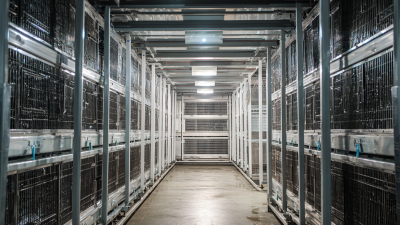
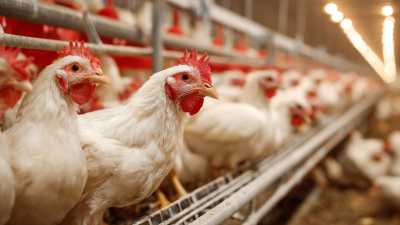
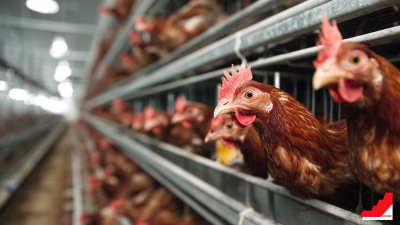
These days, when it comes to managing livestock, Pork Gestation Crates have really become a key part of improving breeding practices and making sure the sows are well taken care of. You know, latest industry reports suggest that using these crates properly can actually boost farm productivity quite a bit—some studies show farms see up to a 15% jump in overall output. At Qingdao Puhui Agriculture and Animal Husbandry Science and Technology Co., Ltd., we totally get how important these systems are. That’s why we offer innovative solutions like advanced feeding setups, nipple drinking systems, and fully integrated ventilation and cooling to support modern farming. By carefully designing our projects around the strategic use of these crates, we're not just aiming to make livestock management better—we also want to follow best practices in animal husbandry to help farms stay sustainable and profitable in the long run.
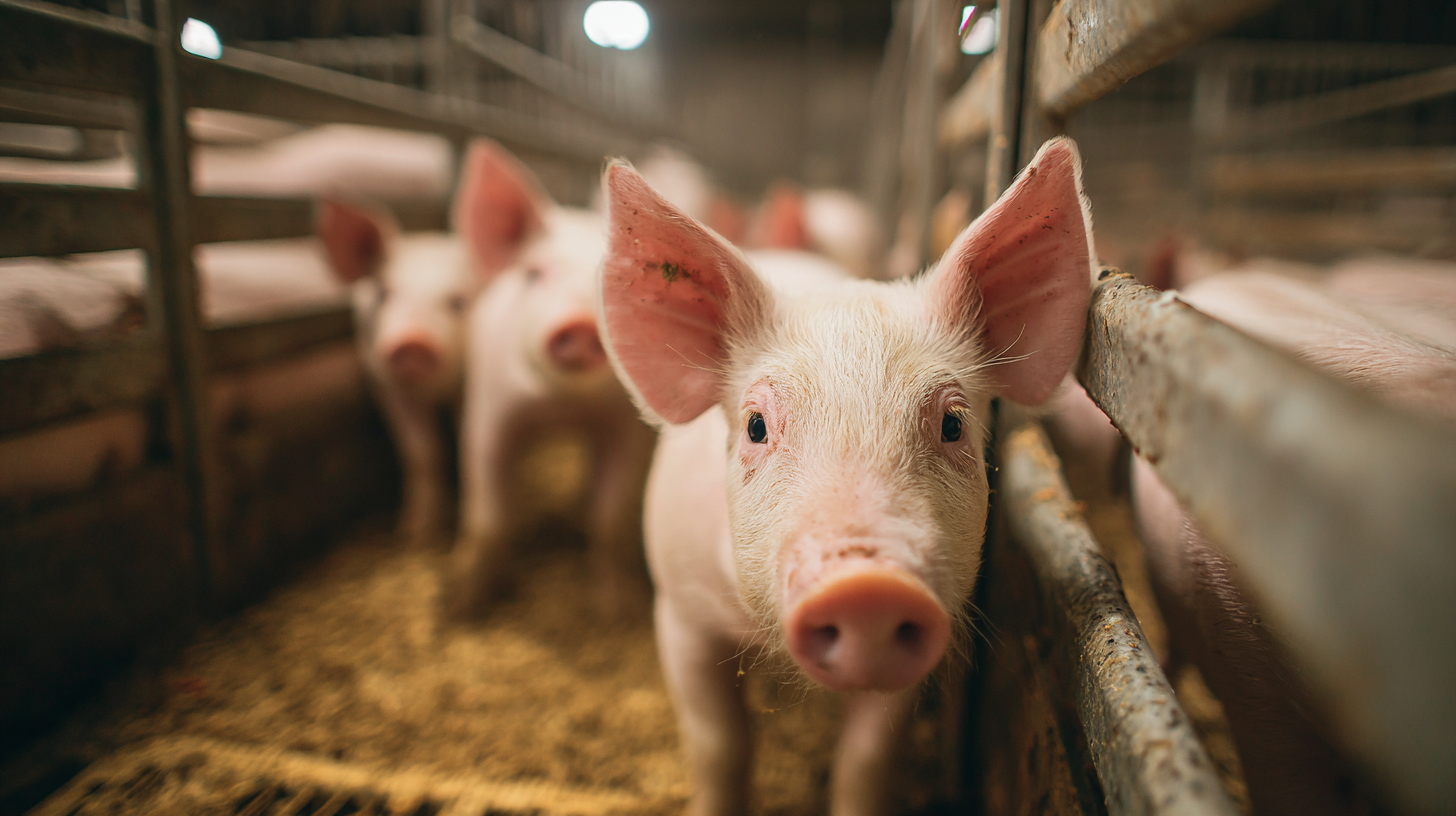
Understanding the Role of Pork Gestation Crates in Modern Livestock Management
Lately, there's been quite a bit of back-and-forth about pork gestation crates and their role in modern farming. You know, those crates that keep sows confined during pregnancy? They're actually pretty useful for keeping tabs on the animals and boosting productivity. According to the American Veterinary Medical Association, when used properly, these crates can help reduce sow aggression and improve their overall health. This, in turn, leads to better breeding success. Farmers who use gestation crates often see about a 20% jump in Piglet Survival Rates—that’s pretty significant, right? It’s mainly because the sows are in better shape and less stressed.
Now, if you’re thinking about making the most of these crates, it’s super important to focus on the animals’ comfort. A good tip is to include adjustable space inside the crate so it can grow with the sow through pregnancy. That not only helps the sow feel more comfortable, but it also makes her produce healthier piglets. Also, keeping a close eye on their physical condition and catching any issues early is key—timely intervention can really make a difference for herd health.
And here’s an interesting bit—using tech like RFID tracking to gather data about each sow’s health and reproductive status can seriously level up management. By analyzing this info, farmers can make smarter decisions that improve animal welfare and boost overall yields. Putting these strategies into practice can really help create a livestock system that’s both more sustainable and efficient—win-win, right?
Key Benefits of Using Gestation Crates: Enhancing Health and Safety for Sows
You know, when it comes to pig farming these days, gestation crates have really become a key part of modern livestock management. They’re especially useful for keeping sows healthy and safe. According to the Animal Welfare Institute, if used correctly, these crates can actually cut down aggressive behaviors among sows by about half. That makes the whole environment much calmer — which is good news not just for the animals but also for the folks working on the farm. Plus, by reducing stress and preventing injuries, these crates don’t just improve the sows’ well-being; they can also boost reproductive success. Some studies even show litter sizes can go up by around 10% when sows are kept in less stressful conditions.
Here at Qingdao Puhui Agriculture and Animal Husbandry Science and Technology Co., Ltd., we really stress the importance of using systems like these alongside our advanced farm designs and environmental controls. When done right, managing gestation crates fits well with modern farming goals—improving animal health and overall productivity. Industry research suggests that farms employing integrated management systems—including proper crating and ventilation—usually see fewer disease problems and better yields. By combining technology with thoughtful design, we can make sure that these crates prove truly beneficial, helping us move towards a more sustainable and humane way of farming.
Statistical Trends: Impact of Crate Utilization on Piglet Survival Rates
You know, the use of pork gestation crates has really been a hot topic among folks in the livestock world. Lately, I’ve seen some interesting stats showing a solid link between how these crates are used and piglet survival rates. It’s pretty clear that optimizing these systems could make a real difference. When used right, research shows that piglets tend to be healthier and more lively—especially during those first few days when environmental stability and maternal care really matter for survival.
And let’s not forget, there have been some cool new ideas in how these crates are designed and managed. For example, changes that let sows move around more comfortably seem to help cut down on their stress levels, which then leads to healthier piglets. Several studies back this up, saying that making the crates better not only improves animal welfare but also makes good business sense. Higher piglet survival means less loss, and fewer issues like crushing or neglect. Overall, as the industry keeps leaning on data and new innovations, focusing on better crate designs might just be the way forward—helping both the animals and the farmers thrive alike.
Strategies for Optimal Space Utilization in Pork Gestation Crates
You know, the whole debate around using pork gestation crates has been pretty heated in the livestock world. But here’s the thing—tweaking their design a bit can actually make a big difference. Not only does it help make better use of space, but it also boosts animal welfare. I read somewhere from the Animal Welfare Institute that these crates can really restrict how much sows can move, which can cause stress and even health problems. That said, if managed thoughtfully, these systems can be quite efficient on farms. For example, by designing adjustable crates that make better use of vertical space or creating modular units, farmers can keep their animals happy and healthy without wasting room.
Plus, research from the National Pork Board shows that optimizing how space is used in these crates doesn’t just help the pigs—it's also good for reproductive results. Giving sows enough room—around 24 square feet each—seems to help cut down on fighting and lets them relax more, which is super important for breeding success. And honestly, keeping an eye on their behavior and regularly reviewing how much space they actually need can really level up overall farm management. It’s all about finding that sweet spot between productivity and making sure the animals are well taken care of, you know?
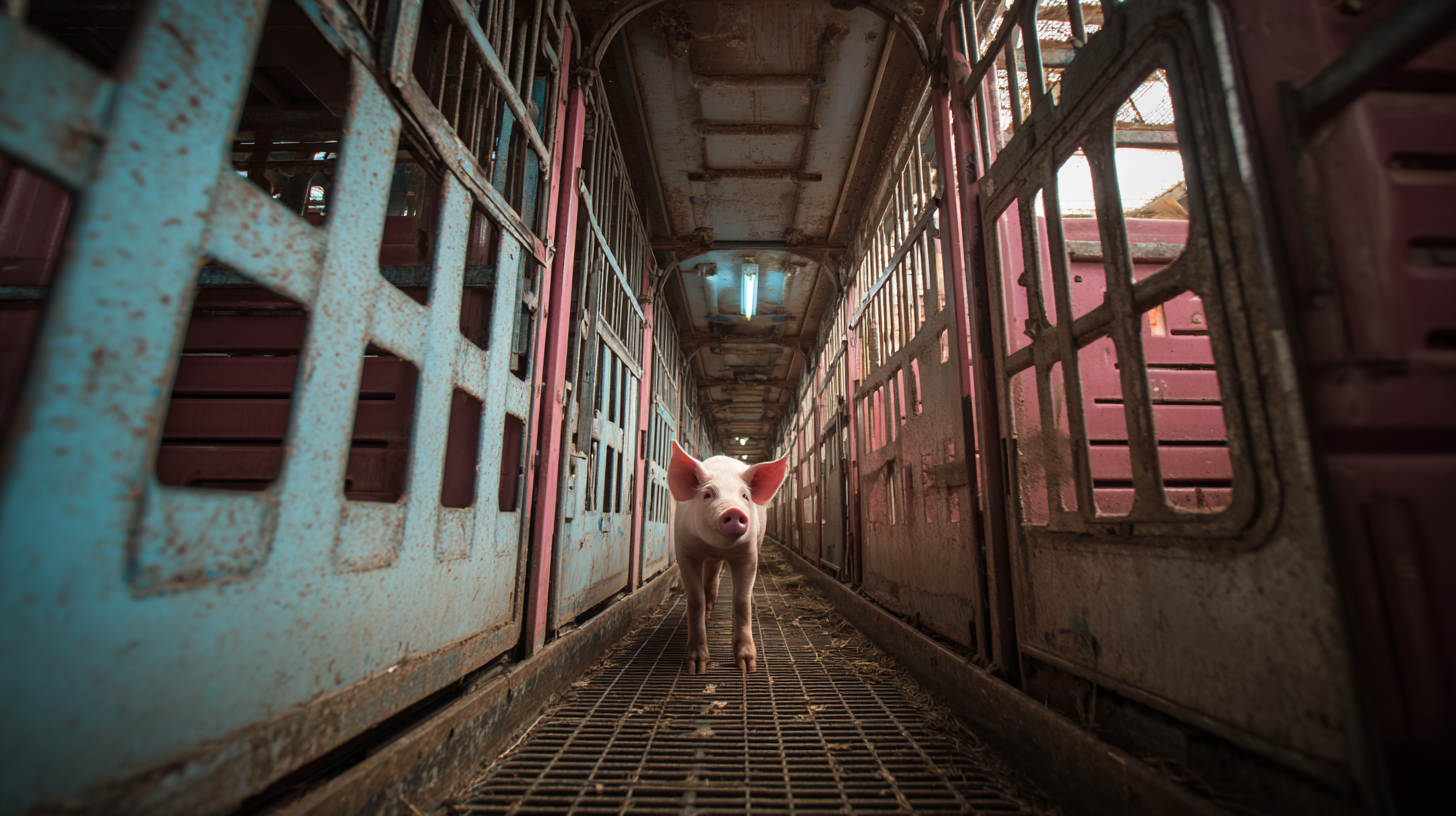
Exploring Technological Innovations to Improve Crate Design and Functionality
You know, the way pork gestation crates are designed and how they work has really come a long way, especially with all these new tech innovations aimed at making livestock management better. Recent research shows that when these crates are well-designed — think adjustable space and comfy flooring — sows actually experience less stress and fewer injuries. That means healthier piglets and better reproductive success. I read somewhere from the Animal Welfare Institute that such improvements can boost sow productivity by around 15%, which is pretty significant.
And it doesn't stop there. Now, some farms are integrating smart tech into their crate systems. These high-tech setups can monitor the animals’ health in real-time — tracking vital signs, feeding habits, even behavior patterns. It gives farmers quick insights so they can tweak things on the fly, improving breeding cycles and reducing piglet mortality. According to the National Pork Board, farms using this kind of technology have seen veterinary costs drop by about 20%. Overall, investing in these smarter, more considerate crate designs really pays off — not just for the animals, but for the farm’s bottom line too. It’s exciting to see how modern pig farming is becoming more sustainable and humane overall.
How to Optimize the Use of Pork Gestation Crates for Improved Livestock Management - Exploring Technological Innovations to Improve Crate Design and Functionality
| Innovation | Functionality | Benefits | Challenges | Implementation Cost |
| Smart Sensors | Monitor health and behavior | Early detection of issues | Initial cost of technology | $2,000 - $5,000 per unit |
| Automated Feeding Systems | Efficient nutrition management | Reduced waste and improved growth | Complex installation | $3,000 - $10,000 |
| Temperature Control Systems | Maintain optimal environment | Improved animal welfare | Maintenance and energy costs | $1,500 - $6,000 |
| Modular Crate Design | Flexible space adjustment | Customization for different stages | Higher manufacturing complexity | $1,000 - $3,500 |
| Data Management Software | Track performance over time | Informed decision-making | Requires training | $500 - $2,000 annually |
Evaluating Ethical Considerations and Animal Welfare Standards in Gestation Crate Use
You know, the whole debate around using pork gestation crates has really gotten some people riled up. It’s a tricky issue, especially when it comes to ethics and animal welfare. These tiny cages, where sows are kept almost completely confined, really limit their movement, and that’s raising some serious concerns about their physical and mental health. Critics often say that not being able to move around freely can cause stress and even health problems—stuff that goes against what many of us today believe is humane treatment for animals. Because of that, it’s pretty important for farmers to take a step back and seriously rethink their practices. Finding alternative housing options that put animal welfare front and center shouldn’t just be a moral choice, but one that benefits everyone in the long run.
Lately, a lot of animal welfare groups and consumer advocates have been pushing for reforms—especially advocating for larger, more comfortable spaces where sows can move around and interact socially. Moving in this direction not only lines up better with changing ethical standards but can actually boost productivity too. Some studies even show that when sows are kept in more humane environments, they tend to be less stressed, healthier, and overall happier—which is a win for the animals and the farmers alike. By making these changes, farmers can adopt a more compassionate approach to livestock management that’s in tune with what society expects—while still running a successful operation.
FAQS
: Gestation crates help reduce aggressive behaviors among sows by up to 50% and create a calmer environment. They minimize stress and injuries, improving sow welfare and increasing litter sizes by approximately 10% in low-stress environments.
Farms utilizing gestation crates and proper management systems often experience lower disease incidence and higher overall productivity due to improved health standards and reduced stress among sows.
Critics argue that gestation crates limit the mobility of sows, potentially leading to stress and health issues, which challenges humane treatment principles valued by consumers.
There is a growing push from animal welfare organizations for farmers to adopt more spacious housing systems that allow for better movement and social interactions among sows.
Providing a more humane environment for sows can lead to lower stress levels, improved health, and ultimately better outcomes for both the animals and the farming operation.
The effectiveness of gestation crates is being re-evaluated against evolving ethical standards, leading to calls for alternatives that prioritize animal welfare without sacrificing operational efficiency.
Conclusion
Hey there! So, I came across this blog titled "How to Make the Most Out of Pork Gestation Crates for Better Livestock Management," and I have to say, it really dives into how crucial these crates are in modern animal farming. It’s interesting because it highlights some pretty compelling benefits—like how they help keep sows healthier and safer. Plus, the stats they share show that using these crates actually boosts piglet survival rates, which is pretty telling. The article also covers tips on how to best utilize space inside these crates and explores new tech innovations that make them better for the animals’ welfare. And, of course, it doesn’t shy away from the ethical side of things, emphasizing the importance of animal welfare standards in today’s livestock practices.
Here at Qingdao Puhui Agriculture and Animal Husbandry Science and Technology Co., Ltd., we're all about supporting these modern, responsible farming methods. We offer a range of solutions—from feeding systems to climate control—that not only help manage livestock more efficiently but also ensure the animals are cared for properly. It’s all about making farm life better—for the farmers and the animals alike.

 +8618266221406
 Contact Phone
 Contact Email