inquiry
Leave Your Message
0%

These days, there’s just no denying how important it’s become to adopt sustainable practices in farming, especially in cage poultry operations. I mean, according to a report from the Food and Agriculture Organization (FAO), the global poultry market is expected to hit over 195 million tons by 2027. That really puts into perspective how urgent it is for us to get creative with more eco-friendly and responsible farming techniques. Using modern tech, like advanced feeding systems and better environmental controls, isn’t just a nice-to-have anymore—it’s essential for boosting productivity without messing up our planet.

Take Qingdao Puhui Agriculture and Animal Husbandry Science and Technology Co., Ltd., for example. They’re really leading the charge when it comes to transforming the industry. They develop innovative solutions that are perfectly tailored for managing Cage Poultry Farms. Their focus on integrated systems—covering ventilation, cooling, and drinking systems—shows how important it is to take a all-in-one approach to farm management. As Dr. Emily Tran, a well-known poultry science expert, puts it, “Sustainability in cage poultry farms isn’t just an option anymore; it’s a must if we want to secure our food future.”

By embracing new techniques and clever technologies, the poultry industry can seriously up its game when it comes to sustainability. This not only helps make sure there’s enough food for everyone but also meets the rising demand from consumers who care about ethical, responsible farming. In this article, we’ll dive into ten of the coolest innovative techniques that can really help cage poultry farms be more sustainable and efficient—all while keeping production on point.

Innovative Feeding Strategies to Enhance Nutritional Efficiency in Cage Poultry Farms

Innovative feeding strategies play a crucial role in enhancing nutritional efficiency on cage poultry farms, particularly as the demand for sustainable food production intensifies due to global challenges such as population growth and resource limitations. Recent reports indicate that optimizing feed through the use of additives in low doses can significantly improve production and health outcomes in poultry farming. For example, studies highlight that strategic feeding techniques not only promote better feed conversion ratios but can also contribute to improved flock health, which is essential for maintaining productivity under increasing economic pressures.

The emergence of technologies that facilitate precise feeding and monitoring can further enhance nutritional efficiency. Integration of data-driven approaches allows for the careful selection of raw materials, which maintains production performance while minimizing waste and environmental impact. As highlighted at industry events, the livestock sector is shifting towards solutions that support automation and improve biosecurity, paving the way for more resilient farming practices. Companies engaged in the design and construction of modernized farms are critical players in this transition, providing innovative systems that align with the best nutritional strategies and sustainability goals in poultry farming.

Utilizing Smart Technology for Monitoring and Management in Poultry Operations

The integration of smart technology in poultry operations marks a revolutionary shift in how sustainable cage poultry farms are managed. With the rise of wireless IoT applications in livestock farming, precision in monitoring and management has never been more attainable. By utilizing cutting-edge devices, farmers can ensure optimal feeding practices, monitor animal health in real-time, and maintain ideal environmental conditions. This technology enhances productivity while minimizing waste, leading to both economic and environmental benefits.

As showcased in various agricultural advancements, such as the deployment of smart machinery in crop management, poultry farms too are leveraging these innovations. Qingdao Puhui Agriculture And Animal Husbandry Science And Technology Co., Ltd. is at the forefront, developing sophisticated systems for feeding, drinking, ventilation, and environmental control. These systems not only streamline farm operations but also facilitate data collection and analysis, empowering farmers to make informed decisions that enhance the welfare of their flocks and the sustainability of their practices. This alignment of technology with traditional farming methods presents a promising future for cage poultry farm management.

Implementing Waste Management Techniques for Sustainable Manure Handling

Effective waste management is a cornerstone of sustainable cage poultry farm management. Implementing techniques such as composting, anaerobic digestion, and vermiculture not only minimizes environmental impact but also transforms waste into valuable resources. Composting poultry manure with carbon-rich materials like straw or leaves can produce nutrient-rich compost that enhances soil health and reduces reliance on chemical fertilizers. Anaerobic digestion can further create biogas, a renewable energy source that can be harnessed for heating or electricity on the farm.

**Tips:** When composting, ensure proper aeration and moisture levels to accelerate the decomposition process. Regular turning of the compost pile helps to oxygenate the material and speeds up breakdown.

In addition to composting, incorporating vermiculture can significantly boost waste management efforts. Earthworms break down organic matter efficiently, producing high-quality worm castings that serve as an excellent fertilizer. This creates a closed-loop system where waste is transformed back into nutrients for the soil, thereby promoting sustainability.

**Tips:** Set up worm bins in a shaded area of the farm to maintain ideal conditions for the worms and regularly feed them with poultry waste mixed with kitchen scraps for optimal results.

Adopting Biosecurity Measures to Minimize Disease Risk in Cage Systems

As the global trend shifts away from cage egg production, producers face the challenge of mitigating the biosecurity risks associated with free-range systems. While free-range systems are often marketed as more humane, they expose birds to potential threats such as diseases and predation. Effective biosecurity measures play a crucial role in minimizing these risks. Implementing strict protocols, including controlled access to flocks, regular health monitoring, and vaccination strategies, can help safeguard poultry health in these systems.

Recent studies have highlighted the vulnerability of free-range systems, particularly with increased consumer demand for such products. This transition comes with the responsibility to ensure that disease risks, such as avian influenza, are adequately managed. Poultry farmers in regions like Bangladesh are already grappling with these challenges due to the prevalence of high pathogenicity strains. By adopting advanced biosecurity practices tailored to the specific vulnerabilities of free-range environments, producers can not only protect their flocks but also meet the growing consumer expectations for sustainable and humane farming practices.

Integrating Renewable Energy Solutions for Eco-Friendly Poultry Farming

The integration of renewable energy solutions in poultry farming presents a groundbreaking approach to achieving sustainability. By harnessing sources such as solar, wind, and bioenergy, farmers can significantly reduce their dependence on fossil fuels, ensuring that their operations remain eco-friendly and cost-effective. For instance, installing solar panels on poultry farm roofs can provide a substantial amount of electricity needed for lighting, heating, and Ventilation Systems, ultimately decreasing operational costs and minimizing the carbon footprint.

In addition to solar energy, wind turbines can be employed in regions with favorable wind conditions, generating clean energy to power essential farm activities. Moreover, the utilization of organic waste from poultry to produce biogas not only manages waste effectively but also provides a renewable energy source for heating and cooking needs on the farm. This holistic approach to energy management not only enhances the sustainability of cage poultry farming but also fosters a resilient agricultural system that can adapt to environmental challenges while promoting ecological balance.

Innovative Techniques for a Sustainable Cage Poultry Farm Management

This chart illustrates the impact of integrating renewable energy solutions into cage poultry farming, focusing on energy consumption, cost savings, and CO2 emissions reduction.

Exploring Genetic Improvements for Enhanced Productivity in Cage Poultry Breeds

The pursuit of genetic improvements in cage poultry breeds plays a crucial role in optimizing productivity while maintaining a commitment to sustainability. By utilizing advanced breeding techniques, such as genomic selection and marker-assisted selection, poultry breeders can enhance desirable traits, including feed efficiency, disease resistance, and egg production rates. These innovations not only contribute to better performance but also reduce the environmental impact associated with poultry farming, aligning with sustainable agricultural practices.

Additionally, the cultivation of hybrid strains through selective breeding can lead to the development of poultry that are better adapted to cage systems. These hybrids often exhibit improved welfare outcomes, increasing overall productivity while minimizing stress-related issues. Implementing such genetic improvements allows poultry farmers to achieve higher yields from fewer resources, thus supporting the global need for sustainable food production methods. By focusing on these genetic advancements, the cage poultry industry can achieve a balance between economic viability and ecological responsibility.

Enhancing Piglet Care: Benefits of the Piglets Nursery Feeder Double Side Feeder for Optimal Farm Management

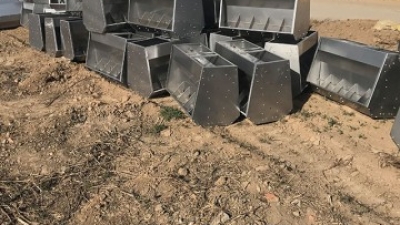
Enhancing piglet care is crucial for successful farm management, and the Piglets Nursery Feeder Double Side Feeder is an innovative solution that addresses the unique needs of young pigs. Designed to provide easy access to food for piglets, this feeder allows multiple animals to feed simultaneously, promoting healthy growth and reducing competition for resources. By offering a structured feeding environment, it helps to ensure that all piglets receive adequate nutrition during their critical early development stages.

The double-sided design of the feeder not only optimizes space within pig farms but also streamlines the feeding process. With the ability to cater to many piglets at once, farmers can save time and labor, minimizing stress for both the animals and the caretakers. Furthermore, this feeder is built with durable materials that withstand the wear and tear of daily use, ensuring long-term reliability. With its practical and efficient design, the Piglets Nursery Feeder Double Side Feeder is an essential tool for any pig farm looking to enhance the overall care and management of their livestock.

FAQS

: What are the main biosecurity challenges associated with free-range poultry systems?

: Free-range systems expose birds to threats such as diseases and predation, making effective biosecurity measures crucial to minimize risks.

How can poultry farmers mitigate disease risks in free-range systems?

Implementing strict biosecurity protocols, such as controlled access to flocks, regular health monitoring, and vaccination strategies can help safeguard poultry health.

What specific disease poses a significant risk to free-range poultry farmers?

Avian influenza is a major concern, especially in regions with high pathogenicity strains, which poultry farmers need to manage carefully.

How can renewable energy solutions benefit poultry farming?

Renewable energy solutions, such as solar and wind power, can reduce reliance on fossil fuels, lower operational costs, and minimize the carbon footprint of poultry operations.

In what ways can solar energy be utilized in poultry farms?

Installing solar panels can provide electricity for lighting, heating, and ventilation systems, contributing to cost savings and eco-friendliness.

Can organic waste be used for energy production in poultry farming?

Yes, utilizing organic waste from poultry to produce biogas effectively manages waste and provides a renewable energy source for heating and cooking needs on the farm.

Why is there a growing consumer demand for free-range poultry products?

There is a rising expectation for sustainable and humane farming practices, prompting consumers to prefer free-range options.

What role does integrating renewable energy play in poultry farming?

It enhances the sustainability of poultry farming, supports ecological balance, and helps farms become resilient to environmental challenges.

What are the benefits of using wind turbines in poultry farming?

Wind turbines can generate clean energy to power essential farm activities, particularly in regions with favorable wind conditions.

How can farmers balance the humane treatment of animals with biosecurity in free-range systems?

By adopting advanced biosecurity practices tailored to free-range environments, farmers can protect flocks while meeting consumer expectations for humane treatment.

Conclusion

The article "Innovative Techniques for a Sustainable Cage Poultry Farm Management" explores advanced methodologies aimed at optimizing the operations of cage poultry farms. It highlights innovative feeding strategies designed to enhance nutritional efficiency, ensuring that poultry receive balanced diets to improve growth and productivity. The integration of smart technology for monitoring farm activities is emphasized, allowing for precise management of resources and animal welfare. Additionally, effective waste management techniques are discussed for sustainable manure handling, alongside stringent biosecurity measures to limit disease risks inherent in cage systems.

Furthermore, the article advocates for the adoption of renewable energy solutions to promote eco-friendly practices within cage poultry farming. Genetic improvements in poultry breeds are also examined, with a focus on enhancing overall productivity. As a leader in agricultural technology, Qingdao Puhui Agriculture And Animal Husbandry Science And Technology Co., Ltd. aligns with these innovations by providing essential systems and project designs for modernized poultry farms, ultimately contributing to the sustainable development of the industry.
Sophie

Sophie

Sophie is an accomplished marketing professional with a deep expertise in agricultural systems, specializing in feeding and nipple drinking systems, as well as ventilation, cooling, and environment control systems. With a passion for modernizing farming practices, she plays a pivotal role in......
Previous Benefits of Using the Best Piglet Nursery Crate for Optimal Growth
Next 10 Best Automatic Chicken Feeders for Effortless Poultry Management