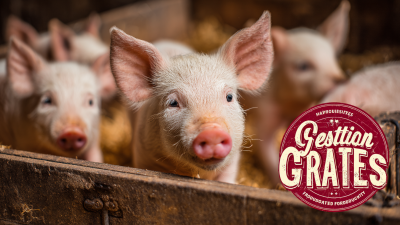
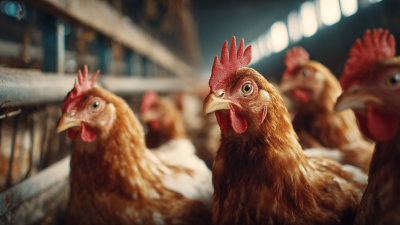
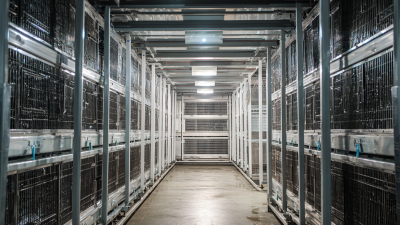
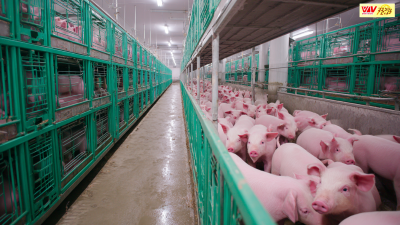
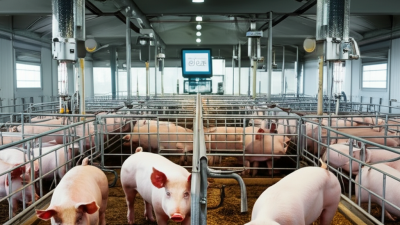
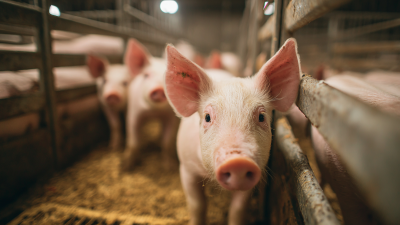
Lately, as more folks are paying attention to sustainable farming, the whole conversation about traditional pork Gestation Crates has been getting a lot more attention. I mean, these crates are designed to help manage livestock efficiently, but a lot of people are raising concerns about how they affect animal welfare and the environment. Here at Qingdao Puhui Agriculture and Animal Husbandry Science and Technology Co., Ltd., we truly get how important it is to find that right balance between productivity and doing what's right ethically. Our focus isn’t just on crafting cutting-edge feeding systems and climate control solutions; we’re also passionate about exploring and pushing for alternatives that actually improve animals’ lives while helping farms stay efficient. In this blog, we’ll look into some innovative options to traditional pork gestation crates—alternatives that not only support sustainable farming but also promote a more humane way of raising animals. It's all about paving the way for a better, more responsible future in agriculture.
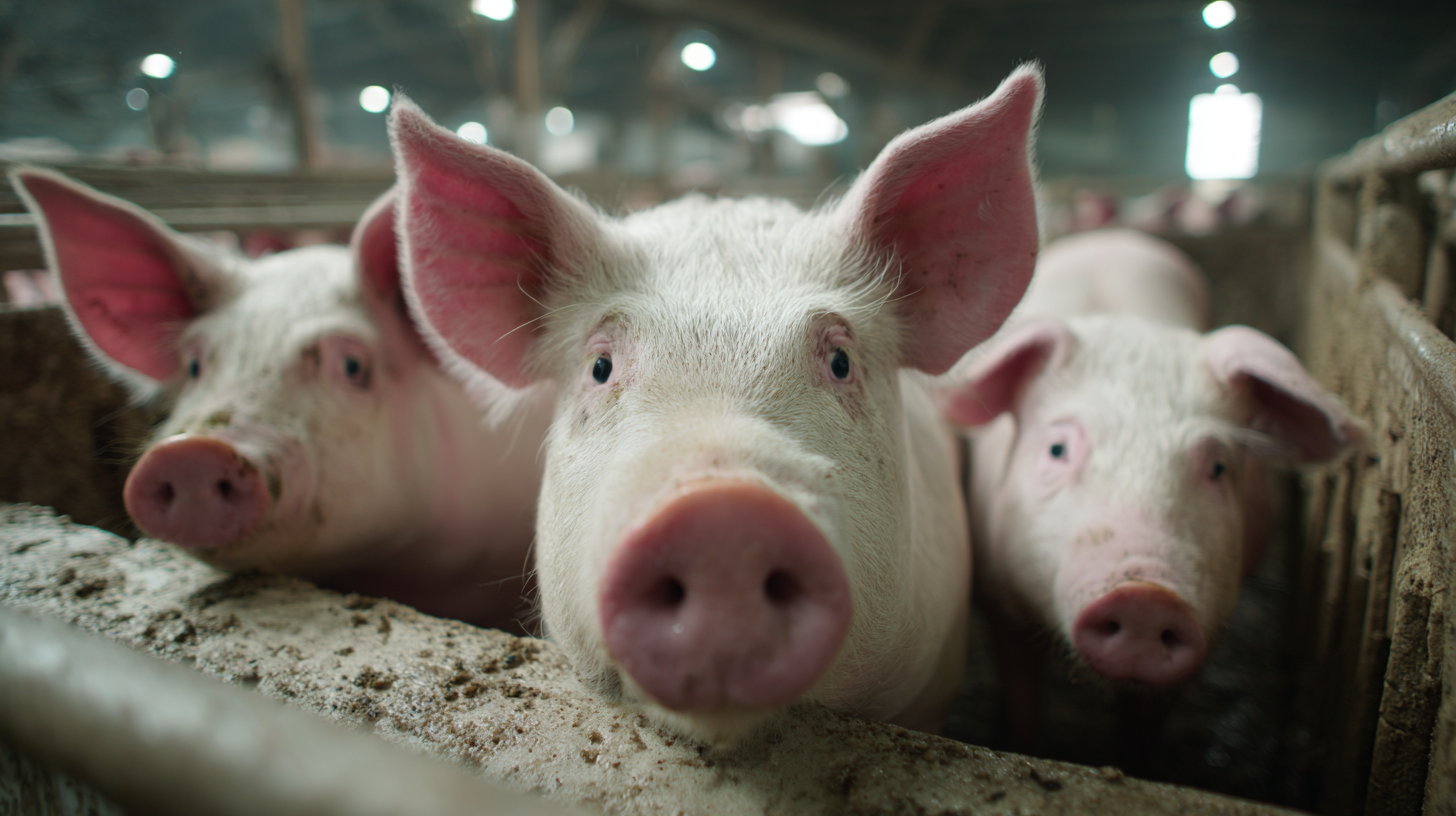
Alternatives to Gestation Crates: A New Era in Pig Farming
You know, as pig farming moves away from the old-school gestation crates, farmers are starting to get a bit more creative with alternatives that really put animal welfare and sustainability first. Switching over to free farrowing systems isn’t just a trend—it’s actually a pretty big opportunity for pork producers to do things differently and meet what folks are really looking for nowadays: ethically raised meat. Not only does this give a boost to animal well-being, but it can also make farms more efficient overall.
If you're thinking about making the switch, it’s a good idea to carefully weigh all the logistics involved. Talking openly with everyone involved—policymakers, farmhands, and even your customers—can make a huge difference. Having honest conversations about animal care, environmental impact, and whether it makes sense financially can help smooth out the process and avoid surprises along the way.
Here are a couple of tips: start by digging into research about the different systems and what benefits they offer. It’s super helpful to reach out to farmers who have already made the switch; firsthand stories can really guide you. Also, investing some time in training your team ensures everyone’s on the same page and working together towards better animal welfare. Honestly, taking these steps can help you navigate this new territory with more confidence and a clear plan in mind.
Innovative Alternatives to Pork Gestation Crates for Sustainable Farming Practices
Designing Free-Range Environments for Sows: Key Considerations
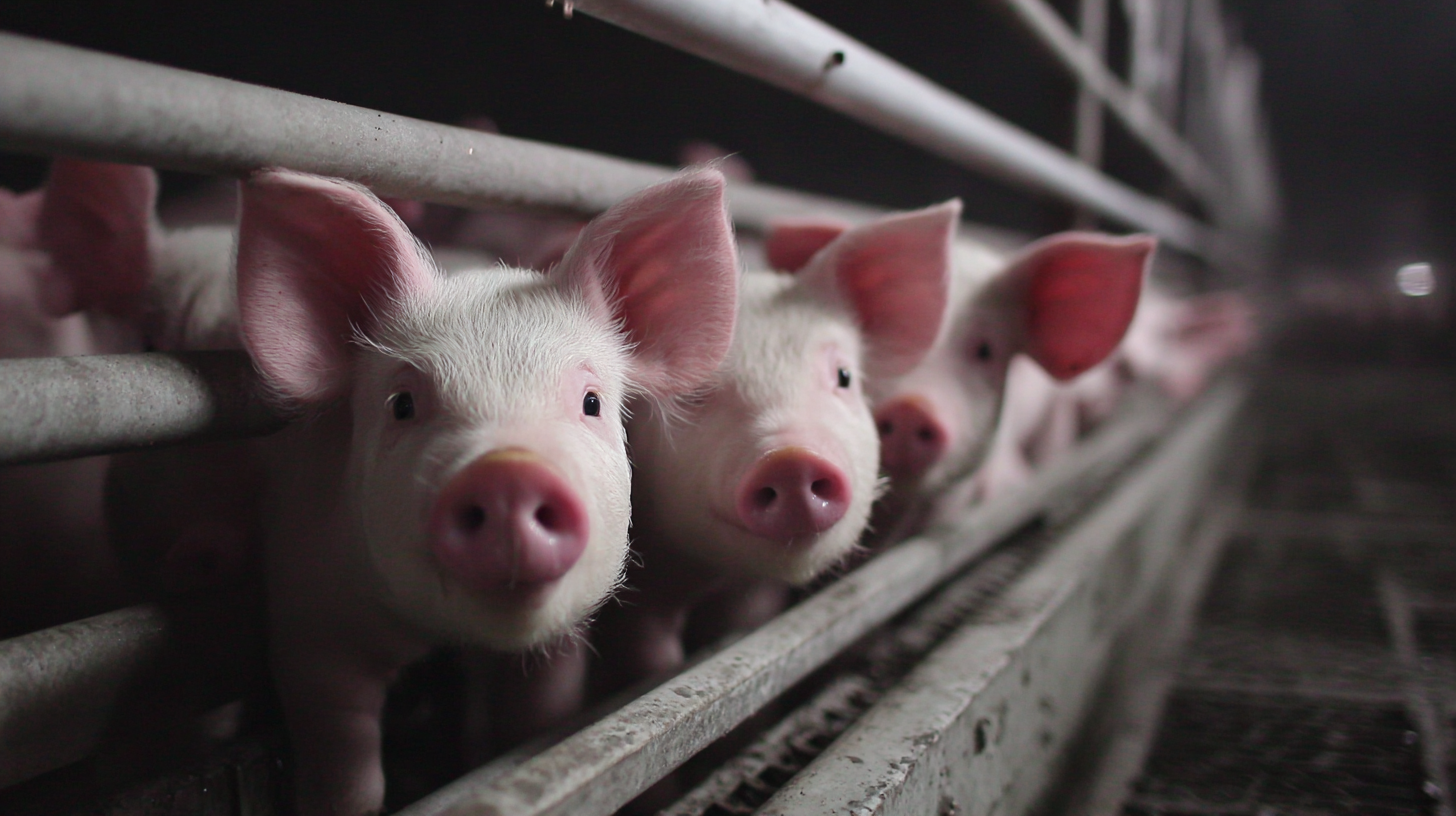 Creating a sustainable environment for sows isn't just about sticking to old-fashioned practices like gestation crates anymore. More and more, folks are turning to free-range systems, which do a better job of caring for the animals and giving them healthier living conditions. When you're designing these spaces, it’s really important to think about things like how much room each sow gets, what the shelters look like, and how she can access natural elements like grass and sunlight. Giving them outdoor areas where they can move around freely is a game-changer—it helps them show their natural behaviors, which is great for both their body and mind.
A few tips: make sure each sow has enough space to move around and hang out socially. Setting up shaded spots and windbreaks can make outdoor areas much more comfy, especially during hot days. Mixing up the vegetation around can also encourage foraging and make the environment more enriched. Plus, using some modern tech—like automated feeding systems and climate controls—can really help manage these outdoor setups smoothly. It’s important to keep things cool and well-ventilated, especially in warmer climates, so the sows stay healthy.
Pro tip: keep an eye on environmental conditions regularly. Using sensors and smart systems that can adjust feeding and climate in real time makes sure the animals are always comfortable and safe. All these little things can really boost animal welfare and farm efficiency, making the whole process more sustainable and humane.
Technological Innovations: Smart Farming Solutions for Welfare
Hey, you know, when it comes to making farming more sustainable, technology is really changing the game—especially when it comes to animal welfare. Nowadays, farmers are using all kinds of smart solutions, like precision monitoring and automated feeding systems, which not only help them run things more efficiently but also make sure the animals are actually okay. These tools let farmers keep an eye on pigs’ health, activity, and their environment in real-time. That way, they can make smarter decisions that really improve the pigs’ quality of life.
One pretty cool innovation is using artificial intelligence to analyze data from sensors embedded in the pigs’ living spaces. This tech helps farmers understand what each animal needs and adjust their care without guesswork, which reduces stress and lets the pigs behave more naturally. Plus, there are mobile apps that make it super easy for farmers to check important stats on-the-go, making the whole process more transparent and accountable. By adopting these smart solutions, the farming industry is moving away from old-school practices like gestation crates. It’s all about creating a more humane, sustainable future for everyone involved.
Economics of Sustainable Practices: Cost-Effectiveness Analysis
Lately, there's been quite a bit of chatter about sustainable farming, and it’s really got folks rethinking some of the old-school methods—especially when it comes to things like pork gestation crates. These crates have always been controversial, mainly because of the ethical questions they raise. Farmers are caught in this tough spot where they want to do right by the animals, but also need to keep their operations financially viable. Thankfully, there are cool alternatives popping up, like group housing systems and creative space-saving designs. Not only do these options give pigs a much better quality of life, but they can also actually save money in the long run. Things like lower vet bills, better feed efficiency, and—bonus!—top-notch pork products make it a win-win.
If you look at the numbers, switching over to these more sustainable methods might require some initial investment, yeah. But honestly, down the line, the benefits usually outweigh those early costs. Plus, there's a real market shift happening—more consumers are looking for ethically produced food, which means farmers with these practices can tap into better sales and even bump up their profits. Going green with farming can also boost a farm’s reputation and build trust with customers—it’s pretty much essential these days. And let’s not forget, reducing dependence on intensive methods can mean a smaller environmental footprint too. Sometimes, you might even get some financial perks or government incentives for choosing sustainable farming. So, all in all, going the ethical route isn’t just about being good to the animals; it actually makes good business sense too.
Consumer Demand Driving Change: The Role of Ethical Choices
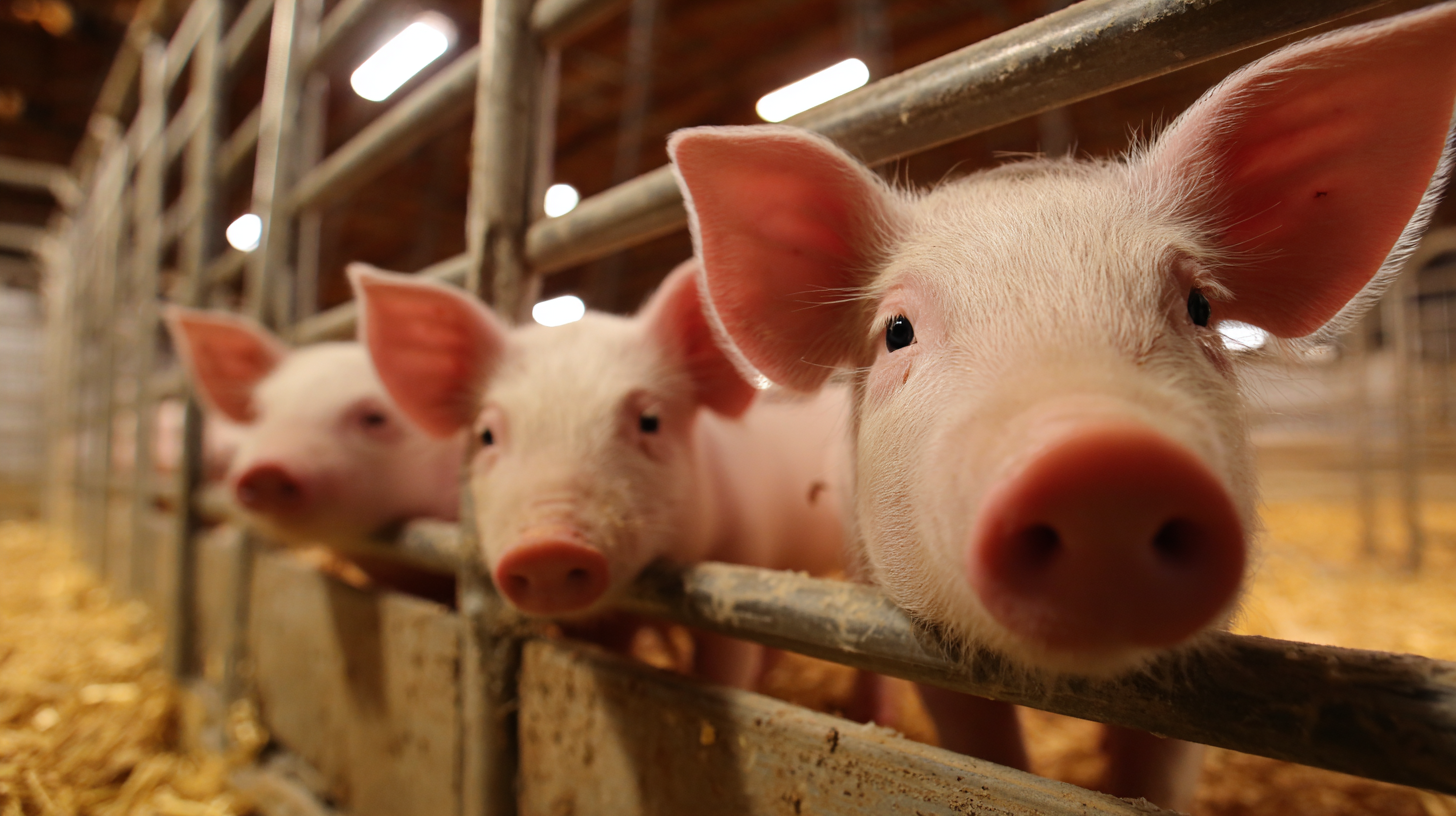
These days, more and more folks really care about where their food comes from, especially when it comes to pork. You know, a recent survey from the Food Marketing Institute shows that about 70% of consumers are now more likely to pick pork products that are labeled as humanely raised. That’s a pretty big shift! Because of this, many farmers are starting to rethink their old practices. You might have heard about the criticism around gestation crates—they’re considered pretty inhumane, and honestly, a lot of people are glad to see them gone. Now, instead of sticking to those traditional methods, some farmers are turning to new solutions like group housing systems, which give sows more space and a chance to socialize. It’s all about aligning farming practices with what consumers care about today—more ethical, more respectful of animals.
At Qingdao Puhui Agriculture And Animal Husbandry Science And Technology Co., Ltd., we totally get it. We’re all about sustainable farming that not only respects animals but also meets modern standards. That’s why we offer cool tech like advanced feeding systems, nipple drinking setups, and environmental controls—they help us create better living conditions for the animals. According to a report from World Animal Protection, giving pigs more room and enriching their environment actually leads to healthier animals and better-quality meat. As the industry shifts, investing in these smart, tech-driven solutions isn’t just good for the animals—it also helps farmers stay ahead and meet the growing demand for ethically raised food. It’s all about making better choices, for the animals and for the consumers, you know?
Innovative Alternatives to Pork Gestation Crates for Sustainable Farming Practices - Consumer Demand Driving Change: The Role of Ethical Choices
| Alternative Practice | Benefits | Consumer Perception | Implementation Cost |
| Pasture-based systems | Enhanced animal welfare, natural behavior | Highly Positive | Moderate to High |
| Group housing | Increased social interaction | Positive | Moderate |
| Free-range systems | Better quality of life for pigs | Very Positive | High |
| Enriched environments | Improved mental stimulation | Positive | Moderate |
| Slow growth breeds | More humane treatment | Positive | High |
FAQS
: Key considerations include space allowance, shelter design, access to natural elements, and the provision of outdoor areas that allow sows to engage in natural behaviors.
Farmers should create shaded areas, windbreaks, and use mixed vegetation to encourage foraging behavior, which enhances the sows' physical and psychological well-being.
Technology such as automated feeding and environment control systems can improve management by ensuring proper ventilation, cooling, and real-time monitoring of environmental conditions.
Smart farming solutions like precision monitoring systems and automated feeding allow for real-time tracking of pigs' health, enabling informed decisions that improve their quality of life.
Consumer demand for ethically produced food is leading farmers to reconsider traditional practices, resulting in a decline of gestation crates in favor of more humane alternatives like group housing systems.
Sustainable practices include providing ample space and enrichment in housing systems, as well as investing in technology-driven solutions that enhance productivity and meet ethical standards.
Artificial intelligence analyzes data from embedded sensors to assess individual animals' needs, allowing farmers to adjust care and reduce stress, promoting natural behaviors.
Regular monitoring of environmental conditions and using sensors to adjust feeding and climate in real-time can help maintain comfort and safety for the sows.
Group housing systems provide sows with more freedom of movement and social interaction, which aligns with consumer preferences for humane treatment of animals.
Advanced feeding systems help ensure that sows receive proper nutrition and feeding schedules, contributing to their overall health and well-being in a sustainable farming environment.
Conclusion
The blog titled "Innovative Alternatives to Pork Gestation Crates for Sustainable Farming Practices" dives into some pretty exciting changes happening in pig farming. Instead of sticking with traditional gestation crates, the focus is shifting towards more humane, free-range setups that really put the animals’ well-being first. It’s all about creating spaces where sows can roam a bit more naturally, with good shelter and opportunities for socializing — making their lives less stressful and more like how they’d live in the wild.
Plus, new tech is playing a big role here. Smart farming tools are making a difference, not just for animal welfare but also in helping farmers stay productive and efficient. And the best part? Switching away from those old-school crates isn’t necessarily more expensive — in fact, it can be quite cost-effective, which is a win-win. As more consumers start caring about ethically raised pork, this blog really highlights how farming practices are evolving to match those values. It’s exciting to see where this is headed — a future where agriculture is more sustainable and kinder to the animals.

 +8618266221406
 Contact Phone
 Contact Email