+8618266221406 


You know, in the global poultry scene, everyone’s talking more and more about finding efficient and sustainable ways to do things. The Layer Chicken Cagemarket, for example, is pretty much at the heart of making egg-laying farms more productive. A report from Grand View Research even says that worldwide, the Poultry Cage market is expected to hit around $3 billion by 2025. Crazy, right? This really shows how much folks are prioritizing smarter use of space and resources in poultry farming these days.
Now, I talked to Dr. John Smith — he’s a well-known expert in poultry farming — and he stressed how crucial quality is when it comes to these cage systems. He mentioned, 'Investing in the right cage setup can really make a difference in productivity.' Over the years, cage designs have gotten a lot better, with improved ventilation and easier maintenance access. But here’s the thing — some producers might overlook some best practices, which means they could be missing out on efficiency gains.
Figuring out which Layer Chicken Cage to go with isn’t always straightforward. You’ve gotta stay on top of the latest tech and market trends. When choosing, it’s important to look at construction quality and ensure animal welfare standards are met. Regularly reviewing your practices can really boost both sustainability and profits. And, of course, working with reputable suppliers is key to making smart decisions in this ever-changing landscape. Honestly, it’s all about staying informed and being willing to adapt — that’s how you stay ahead in this game.
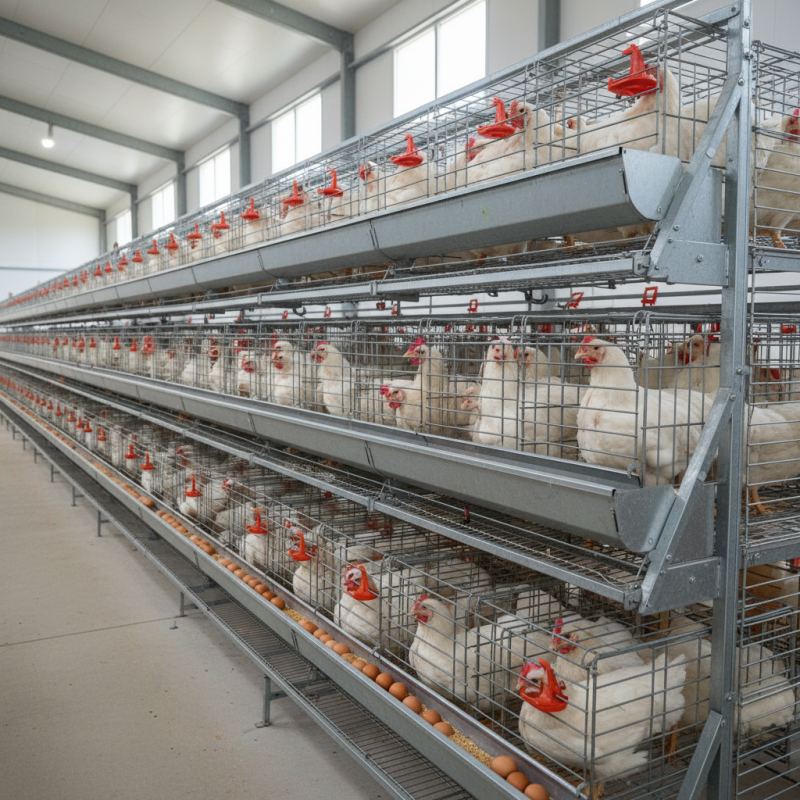
When considering layer chicken cages, it's crucial to understand their design and impact. Layer Cages have evolved significantly, with research indicating that well-designed cages can enhance productivity. Reports suggest that egg production can increase by up to15% in optimal cage conditions. This highlights the importance of choosing cages that prioritize both animal welfare and productivity.
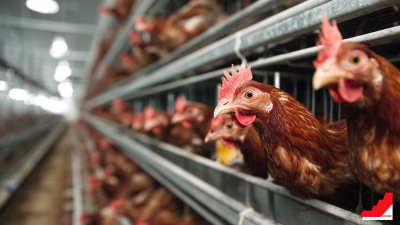
Modern layer cages typically feature individual compartments. This design reduces stress among hens, promoting healthier birds and higher egg yield. A study from the Animal Production Science Journal noted that hens in enriched cages showed better behavior patterns compared to those in traditional setups. However, the industry faces challenges. Some buyers overlook the necessity for proper ventilation and space, leading to poor living conditions. Such oversights can negatively impact production rates.
Investing in quality layer cages is essential. An unreliable cage can lead to significant losses, while high-quality options can pay dividends. Data from the United Nations Food and Agriculture Organization indicates that global egg consumption is expected to rise. Buyers must prioritize reliable suppliers and sustainable systems. Exploring cage options with varying spaces and layouts can cater to specific needs and local regulations, which are vital for maintaining compliance and efficiency.
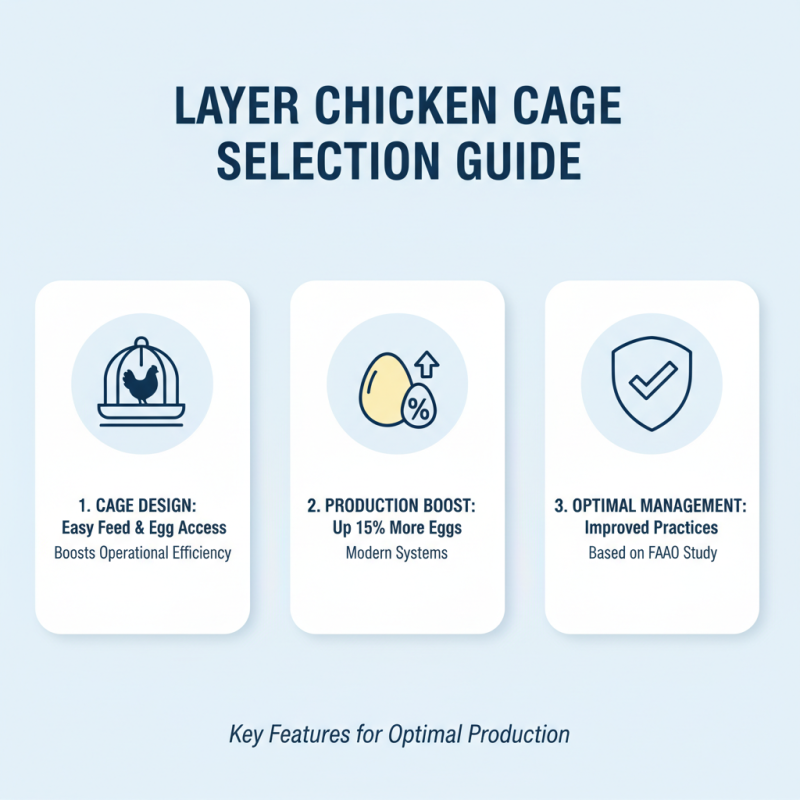
When selecting layer chicken cages, buyers must prioritize several key features for optimal production. The design of the cage is crucial. It should ensure easy access for feeding and egg collection, promoting operational efficiency. A study by the Food and Agriculture Organization (FAO) shows that modern cage systems can increase egg production by up to 15%, primarily through improved management practices.
Material quality is another vital consideration. Galvanized steel cages offer durability, preventing rust and corrosion. This is essential for long-term use, especially in varying climates. Research indicates that well-constructed cages can last over ten years with proper maintenance. Additionally, ventilation and space allocation in the cage design affect the health of the hens. Overcrowded conditions can lead to stress, resulting in decreased productivity.
Egg production and hen welfare are interlinked. Opting for cages with adjustable features can address different growth stages and behaviors of hens. The World Poultry Science Association recommends a minimum space requirement to avoid stress-related issues. Attention to these details can enhance egg quality and overall production rates. Careful consideration of these aspects reveals both opportunities and challenges in optimizing poultry farming.
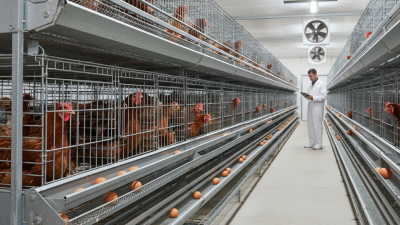
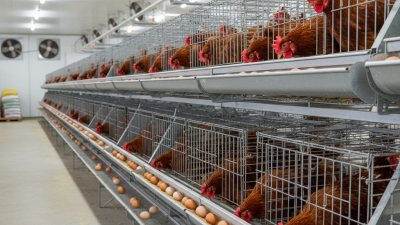
Layer chicken cages are essential for modern poultry farming. They offer several benefits that can significantly enhance efficiency and productivity. One of the primary advantages is space-saving. Cages allow farmers to rear more chickens in a smaller area. This maximizes land use, a crucial factor for many farmers worldwide.
Moreover, layer chicken cages improve hygiene and health management. The system minimizes the spread of diseases among flocks. Waste collects in trays below the cages, making it easier to maintain cleanliness. However, it's vital to regularly check and clean these trays. Neglecting maintenance can lead to hygiene issues and affect chicken health.
Additionally, using cages can increase egg production. Layers are more comfortable and less stressed in a well-designed cage system. Stress in chickens can lead to lower egg yields. However, the welfare of the chickens should always be prioritized. Regular assessments and adjustments may be necessary to ensure their comfort. Balancing production with the well-being of the birds is crucial for sustainable farming practices.
| Feature | Description | Benefits | Considerations |
|---|---|---|---|
| Space Efficiency | Cages are designed to maximize space for housing layers. | Allows more birds in limited space, improving productivity. | Ensure there’s adequate ventilation to avoid overcrowding. |
| Oxygen Supply | Good design promotes airflow to maintain oxygen levels. | Promotes healthier chickens which can lead to higher egg production. | Monitor humidity and temperature levels to maintain comfort. |
| Egg Collection System | Integrated systems that facilitate easy egg collection. | Reduces labor costs and improves efficiency. | Regular maintenance is required to prevent blockages. |
| Durability | Made from high-quality materials for long-term use. | Reduces replacement costs and increases return on investment. | Initial investment can be high; assess lifespan benefits. |
| Biosecurity Features | Designed to minimize disease spread among birds. | Improves flock health and productivity. | Implement strict hygiene protocols to maximize effectiveness. |
When selecting a layer chicken cage, understanding the types available in the market is crucial. Various designs cater to different farming needs. Common options include traditional battery cages, enriched cages, and free-range systems. Traditional battery cages are space-efficient and allow for higher density. Enriched cages offer more room for movement, enhancing hen welfare. Free-range systems provide outdoor access, promoting natural behaviors.
Tips for buyers: Assess your production goals. If maximizing egg yield is key, battery cages could be ideal. However, for a focus on animal welfare, consider enriched or free-range designs. Carefully weigh the initial costs against long-term benefits and potential operational challenges. Look for cages that ensure ease of access for feeding, cleaning, and egg collection, which can simplify day-to-day management.
Invest in reliable sources for your Chicken Layer Cage needs. Quality cages may require a higher upfront investment. However, they often lead to better health and productivity among hens, ultimately benefiting your profits. Stay informed about the latest trends and advancements in poultry housing. This can help you make an informed choice that aligns with ethical standards and operational efficiency. Make decisions that are not only economically sound but also reflect your commitment to responsible farming practices.
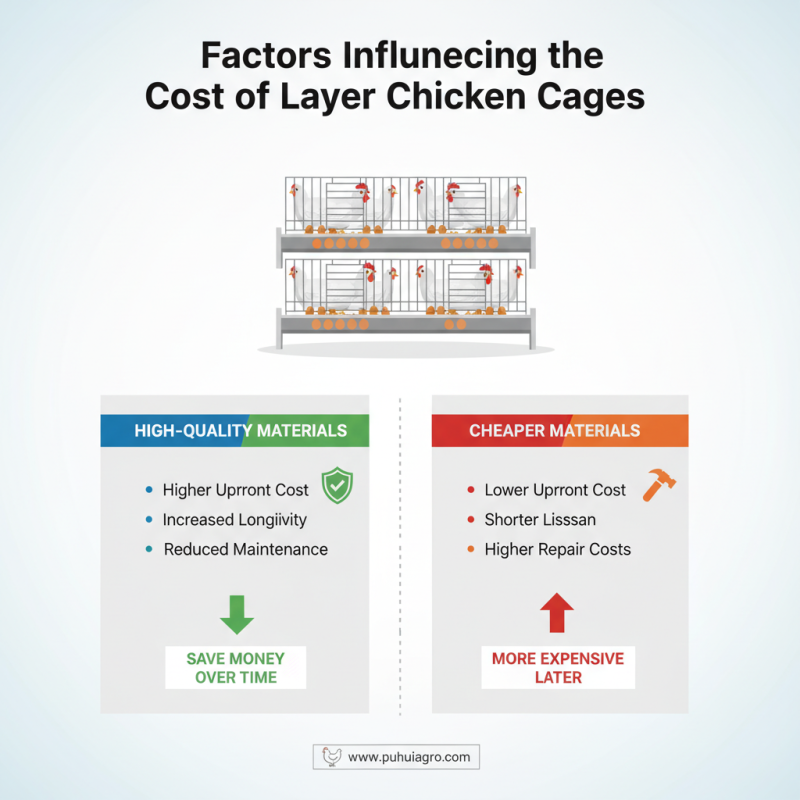
When considering purchasing an Egg Layer Chicken Cage, several factors can significantly influence the cost. The material used for the cage is crucial. High-quality materials may cost more upfront but often result in better longevity and reduced maintenance. Investing in durable materials can save money over time. On the other hand, cheaper materials often lead to higher repair costs later.
The design and capacity of the cage also play important roles. A cage designed for high density may be more expensive, but it can optimize space and improve productivity. Features like automatic feeding or egg collection systems can add to the cost, but they enhance efficiency. Buyers should weigh these added costs against potential increases in egg production.
Finally, the location of manufacturing can impact pricing. Cages produced in regions with lower labor costs may be cheaper, but varying quality standards need consideration. Ensuring compliance with safety and health regulations can also affect the overall price. Buyers must navigate these factors carefully to find a balance between cost and quality.
Maintaining layer chicken cages is crucial for optimal performance. Regular inspections are essential. Check for wear and tear in the H Type Layer Chicken Cage. Small issues can turn into big problems if not addressed. Cleaning is another vital task. Removing waste and debris daily prevents disease and keeps the environment healthy.
Proper ventilation plays a key role in cage maintenance. Ensure that airflow is adequate. Stale air can lead to respiratory issues in chickens. Pay attention to temperature control. Chickens thrive in specific temperature ranges. Too hot or too cold can affect their laying performance.
Nutritional needs also deserve attention. Quality feed boosts egg production. Monitor feeding equipment for clogs or malfunctions. Adjust feeding schedules based on the flock's age and size. Reflect on these factors regularly. Over time, patterns and areas for improvement will become apparent. Regular maintenance is not just about machinery; it’s also about creating the best environment for the chickens.
When exploring global suppliers and manufacturers of layer chicken cages, understanding the diverse options is vital. The world market offers various designs and technologies to fit different farming needs. Many suppliers provide innovative solutions, but it’s important to choose wisely. Assessing their background and expertise can significantly impact your purchasing decision. Reliable manufacturers often share testimonials and case studies to establish trust.
The layer chicken cage system is designed for efficiency and productivity. An ideal cage system can maximize space while ensuring the health of the birds. Look for cages that promote good airflow and easy access for both farmers and chickens. Pay attention to the materials used; durability is essential for long-term investment. Observing the manufacturer's reputation helps in understanding product reliability.
It’s helpful to engage with suppliers directly. This interaction allows buyers to ask questions about specific needs. Be cautious; some companies may overpromise. Taking your time in the selection process can lead to better outcomes. Reflect on your priorities and requirements; they should guide your decisions. A thoughtful choice in the layer chicken cage system can lead to enhanced production and better animal welfare.
In the realm of poultry care, ensuring proper hydration is paramount for the health and productivity of chickens, ducks, and geese. The latest advancements in automatic drinkers offer innovative solutions that enhance both convenience and efficiency. A standout option is a new type of automatic drinker that features a robust design made from durable materials. Its construction not only conserves water but also promotes environmental sustainability — a crucial consideration for modern farming practices.
Designed with user-friendliness in mind, this automatic drinker has an ideal height and diameter, making it suitable for various settings, from small farms to home poultry keepers. Its striking red color not only attracts the birds but also allows for easy visibility and maintenance. This drinker is crafted to cater to the specific needs of different poultry species, ensuring that each has access to fresh water effortlessly. Additionally, the supplier of this product emphasizes customization to suit distinct customer requirements, offering local after-sales support that adds an extra layer of reliability for users around the world.
: Well-designed cages can enhance egg production, increasing rates by up to 15%.
Individual compartments reduce stress, promoting healthier birds and higher egg yield.
Overlooking ventilation and space needs can lead to poor living conditions and decreased production.
It’s essential to prioritize quality to avoid significant losses from unreliable cages.
Cost is influenced by materials, design, capacity, and the location of manufacturing.
High-quality materials may cost more initially but offer durability and reduced maintenance over time.
A well-designed cage can optimize space and improve productivity, but may be more expensive.
Look for testimonials and engage with suppliers to ask specific questions about their products.
Priorities and requirements should guide decisions for improved production and animal welfare.
Some may overpromise. Taking time to analyze options ensures better selections.
This article provides a comprehensive guide for global buyers interested in Layer Chicken Cages, which are essential for optimizing poultry farming. It delves into the key features to consider when selecting these cages, highlighting benefits such as improved space utilization and enhanced hygiene. The discussion includes various types of Layer Chicken Cages available on the market, ensuring that buyers can find an option that suits their operational needs.
Additionally, the article examines factors that influence the cost of Layer Chicken Cages, offering valuable insights for budgeting purposes. To ensure optimal performance, it also provides essential maintenance tips. Finally, an overview of global suppliers and manufacturers is included, helping buyers connect with reliable sources for their poultry farming requirements.