+8618266221406 


Picking the right Pig Feeders for your farm is pretty important if you want healthy, productive pigs. A recent report from the Animal Nutrition Association mentions that well-designed feeders can boost feed efficiency by as much as 20%. That’s a big deal because it not only helps your pigs grow faster but also cuts down on waste — clearly showing why investing in good quality feeders really matters.
Experts like Dr. Sarah Thompson from Livestock Innovations also stress how crucial the right feeder is for your pigs’ overall health. She says, “Choosing the right feeder can make a huge difference in how your pigs grow and stay healthy.” Her words really drive home the point that quality shouldn’t be overlooked when selecting feeders.
That said, with so many options out there, it can get pretty overwhelming trying to figure out what’s best for your farm. You’ve got to think about your pigs’ specific needs, while also keeping an eye on how the feeders are built and how long they’ll last. Even with all the tech upgrades, some products still don’t live up to expectations, which wastes your resources. Finding that sweet spot between good functionality and an affordable price tag is a tricky balancing act that many farmers are familiar with.
When raising pigs, understanding their nutritional needs is crucial. Pigs require a balanced diet for growth and health. They need proteins, carbohydrates, fats, vitamins, and minerals. Each nutrient plays a different role. Proteins help in muscle development, while carbohydrates provide energy. Fats are essential for digestion and nutrient absorption.
Tips: Always monitor feed ingredients. Ensure they meet nutritional standards. Regularly adjust the diet based on the pigs' growth stages. Keep records of their weight and health to tailor their nutrition accurately.
It's important to note that pig feed can be complex. Not all feeds are created equal. Some may lack essential nutrients. It’s wise to consult a livestock nutritionist for personalized advice. Take the time to observe how pigs react to different feeds. This can provide valuable insights into their preferences and well-being.
Feeder design significantly impacts feeding efficiency on farms. A well-designed feeder minimizes feed wastage, ensuring that pigs receive the correct amount of nutrition. Research shows that poorly designed feeders can result in up to 20% feed loss, which translates to substantial cost increases for farmers. Automatic Pig Feeders can optimize feed distribution and improve overall feed management practices, thus enhancing productivity.
Proper feeder height and shape are crucial. Feeders should accommodate the natural feeding posture of pigs. Studies indicate that feeders positioned too high or low can deter pigs from eating adequately. Ensuring that your feed design allows for easy access promotes better feeding behaviors and leads to healthier livestock. This connection is vital to a farm’s productivity and profitability.
Tips: Regularly monitor feed intake levels and make adjustments accordingly. Consider using advanced technology to track feeding patterns. This lets farmers identify and address potential issues. Investing in robust feeder systems increases both short-term efficiency and long-term sustainability on the farm. Remember, even small changes to feeder design can have significant effects on overall performance.
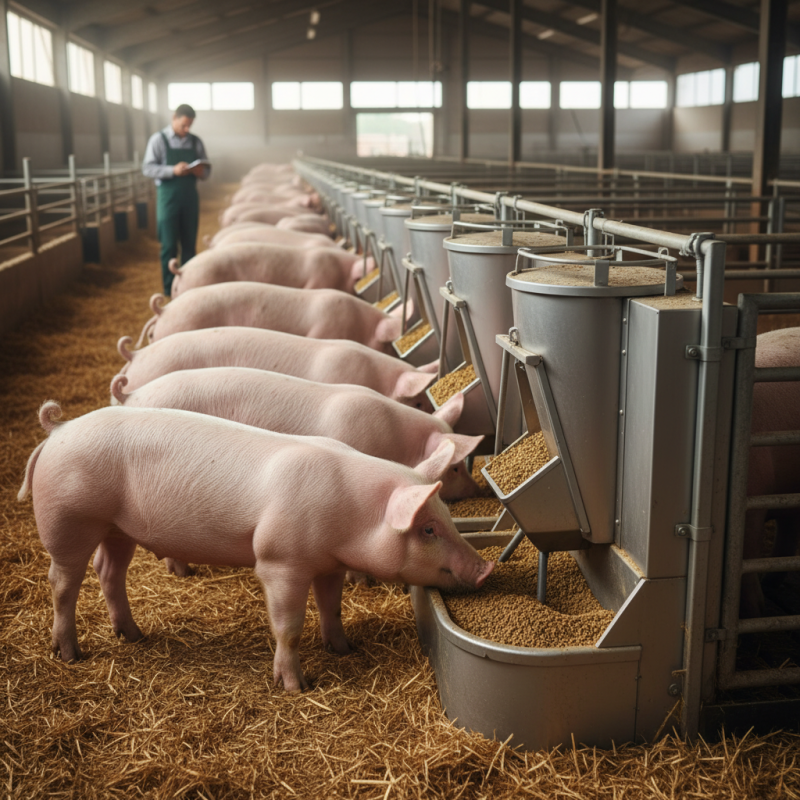
When selecting Pig Feeders, understanding the types available is crucial. Many pig farms use trough feeders. These are straightforward and allow multiple pigs to eat together. However, they can lead to feed wastage due to aggressive eating behaviors. Regular monitoring is important to ensure feed quality and to maintain hygiene.
Another option is the individual or compartment feeders. These minimize feed waste by allowing pigs to access their feed without interference from others. They are especially useful in Pig Pens where managing individual diets is necessary. Yet, they may require more investment and space. His form can pose a challenge during cleaning.
Lastly, there are automatic feeders. These save time and effort. They dispense food at scheduled intervals. While they can reduce labor costs, they may also be expensive. Issues with technology can arise, causing delays in feeding. It's essential to weigh these pros and cons against your farm's specific needs. Choosing the right feeder can significantly impact pig health and growth efficiency.
When choosing pig feeders, evaluating material durability is crucial. Feeders made from high-quality, weather-resistant materials tend to last longer. According to a report by the National Pork Board, durable feeders can cut replacement costs by up to 25%. By investing in sturdy materials, farmers protect their resources over time.
Maintenance also plays a vital role. Regular checks can prevent unexpected breakdowns. For instance, some farmers overlook the wear on feeder parts, leading to inefficient feeding. A durable Pig Panel may reduce these issues. In fact, equipment failures can lead to significant losses—reports indicate that such failures might reduce feed efficiency by 15%.
Farmers should not ignore the weight of feeders. Heavier materials can resist tipping, especially in outdoor environments. Yet, they might complicate movement for cleaning. Reflecting on these aspects can enhance operational efficiency. A balance between durability and maintenance needs is essential for optimal performance.
| Feeder Type | Material | Durability Rating (1-5) | Maintenance Ease (1-5) | Estimated Price ($) |
|---|---|---|---|---|
| Gravity Feeder | Galvanized Steel | 4 | 3 | 150 |
| Trough Feeder | Plastic | 3 | 4 | 80 |
| Nipple Feeder | Stainless Steel | 5 | 5 | 200 |
| Self-Feeder | Fiberglass | 4 | 3 | 120 |
| Automatic Feeder | Aluminum | 5 | 2 | 300 |
When selecting pig feeders, understanding feeder capacity is crucial. It must match your herd size and their growth stage. A small feeder might suffice for piglets, but larger pigs require more space. If feeders are too small, competition may arise. This can stress the animals, leading to reduced growth rates and health issues.
Consider the growth stages of your pigs. Young pigs need a different setup than mature ones. They often eat smaller amounts, but more frequently. As they grow, their appetites will increase. Assessing these needs ensures efficient feeding practices. Aim to provide adequate space and minimize stress during feeding.
Regularly review your feeding strategy. Are your feeders meeting the needs of your herd? Look for signs of aggression or weight fluctuations. Adjust your system as necessary. Continual assessment will help maintain herd health and improve overall productivity.
When investing in pig feeders, cost-effectiveness is crucial. A report from the National Pork Board indicates that feed costs account for approximately 70% of total production expenses. Therefore, choosing the right feeder can significantly impact your bottom line. High-quality feeders minimize waste and ensure pigs receive the correct amount of feed. Investing in durable materials can prevent frequent replacements, ultimately saving money over time.
Research suggests that Automatic Pig Feeders can reduce feed wastage by 20%. This efficiency translates to substantial savings over the lifetime of the equipment. However, not all farmers may see immediate returns. The initial investment can be high, raising concerns about cash flow and profitability. Observing how different feeder designs work on your farm may reveal opportunities for better feed management.
Some farmers find that traditional Pig Cages provide adequate solutions. Yet, they may be missing out on advancements in feeding technology. Regular assessment of how your pigs interact with their feeders can inform necessary adjustments. Making informed decisions based on actual performance can enhance your feeding strategy and support better health outcomes for the pigs.
Monitoring the feeding behavior of pigs is essential for effective livestock management. Observing how pigs interact with feeders provides insight into their health and comfort levels. Note things like feeding times and how aggressively they eat. These observations can reveal if adjustments are needed.
Feeder placement can significantly impact feeding efficiency. Place feeders in areas where pigs feel secure. Consider their natural behaviors; pigs prefer not to feed in open spaces unless they feel safe. Adjusting feeder locations based on these observations can lead to improved weight gain and reduced stress.
Sometimes, feeder designs might not meet all pigs' needs. This requires constant evaluation. Pay attention to which pigs are eating well and which are not. It’s essential to reflect on whether the current feeder setup promotes social interaction or leads to competition. Small changes in arrangement can yield surprising benefits.
: A well-designed feeder minimizes feed wastage and ensures pigs receive adequate nutrition.
They can lead to up to 20% feed loss, increasing costs for farmers significantly.
Feeders should match the natural feeding posture of pigs to encourage adequate eating.
Easy access to food promotes better feeding behaviors, leading to healthier animals.
Feed intake levels; adjustments may be necessary for optimal feeding patterns.
Durable materials can reduce replacement costs by up to 25%, protecting farmer resources.
Regular checks can prevent breakdowns, ensuring efficient feeding and reducing loss.
Feeders must suit the herd size and growth stage to avoid competition and stress among animals.
Continuous evaluation helps with identifying issues like aggression or weight fluctuations.
A balance between material durability and maintenance needs is crucial for efficiency.
When selecting the best pig feeders for your farm, it’s essential to understand the nutritional needs of pigs to ensure optimal feeding. A well-designed feeder can significantly enhance feeding efficiency, which is vital for promoting healthy growth. Various types of pig feeders each come with their own pros and cons, making it important to evaluate what best suits your setup.
In addition to design, consider the durability of materials and ease of maintenance, as these factors contribute to long-term cost effectiveness. Furthermore, analyzing feeder capacity in relation to herd size and growth stage is crucial for effective feeding management. Finally, monitoring pigs' feeding behavior and adjusting feeder placement can yield the best results, ensuring that your investment in pig feeders pays off in healthy, thriving livestock.