inquiry
Leave Your Message
0%

Picking out the right Chicken Cage for your hens really matters. The perfect cage can make a big difference in their health and how well they lay eggs. You want a setup that’s safe, comfy, and fits their needs. Honestly, with so many options out there—different sizes, styles—it can get pretty overwhelming. So, it’s a good idea to keep in mind what your hens actually need: think about good ventilation, enough space for them to move around, and safety features to keep predators out. If you go for a bigger cage, your hens will have more room to stretch, scratch, and probably lay better eggs too. But don’t forget, sturdy is key—make sure the cage’s well-built. And on your end, pick something that’s easy for you to clean and maintain. Regular checks help catch any problems early on. At the end of the day, your goal is to choose a setup that gives your hens a happy, healthy home—because every little decision you make shapes their daily life and happiness.
How to Choose the Best Chicken Cage for Your Hens?

Understanding the Needs of Your Hens

Choosing the best chicken cage begins with understanding your hens. Different breeds have unique requirements. They need enough space to roam, access to food, and proper ventilation. Research shows that hens require approximately 4 square feet each in a coop. If the space is too small, stress levels can rise, leading to health issues.

Tips: Ensure your cage has multiple perches. Hens like to roost at different heights. This helps reduce aggression and encourages natural behavior.

Consider the environment. Hens thrive in clean spaces. Regular cleaning prevents disease outbreaks. According to industry studies, a well-maintained cage can lead to a 20% increase in egg production.

Tips: Use nesting boxes that are quiet and private. Hens prefer to lay eggs in secluded spots. This can reduce stress during laying. Keep an eye on the cage’s design; sharp edges or overcrowding can turn into serious problems. Reflect on what works best for your flock’s happiness and productivity.

How to Choose the Best Chicken Cage for Your Hens?

Feature Importance Recommended Size Material
Space Essential for comfort 2-3 sq. ft per hen Wire or Plastic
Ventilation Crucial for health N/A Mesh or Grate
Security Protection from predators N/A Durable Metal
Ease of Cleaning Maintains hygiene N/A Smooth surfaces
Accessibility Convenient for feeding & care N/A Hinged doors

Types of Chicken Cages Available on the Market

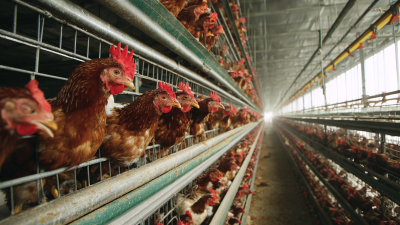
When choosing the best chicken cage for your hens, understanding the types available is crucial. There are typically three main types: battery cages, aviary systems, and free-range pens. Battery cages are compact and efficient. However, they offer limited space for movement. Hens in these cages may become stressed. This can impact their health and egg production.

Aviary systems allow for more space and vertical movement. Hens can perch, lay eggs, and explore. This setup fosters natural behaviors but requires more maintenance. Some owners may find the upkeep challenging.

Free-range pens provide the most freedom for hens. They can roam outdoors and forage, leading to happier birds. However, these setups require secure fencing and careful design to protect from predators.

Different cages serve varied needs. What might work for one flock may not fit another. Think about your hens’ requirements and your resources. The right choice often involves a balance between space, maintenance, and cost. Reflect on your setup frequently. Adjusting based on your experiences can lead to healthier hens and a better egg yield.

Factors to Consider When Choosing a Cage Size

Choosing the right cage size for your hens is crucial. Chickens need enough space to move around freely. A cramped living environment can lead to stress and health issues. It's recommended that each hen should have at least 4 square feet of space in an indoor coop. However, they also need room to roam outside, if possible.

When selecting the cage, consider your hens' breed and size. Larger breeds, like Brahmas, require more space. Alternatively, smaller breeds may thrive in a slightly smaller area. Make sure the cage height is adequate as well. Your hens should be able to stand comfortably without cramping.

Think about the cage design too. Features like nesting boxes and perches can influence space. A well-designed cage promotes comfort and reduces boredom. You might find that the ideal size isn't perfect for your setup. Balancing space with your budget can be challenging. It's worth reflecting on how changes impact your flock.

Material Options for Durability and Hygiene

When selecting a chicken cage, material choice is crucial for longevity and hygiene. Many options are available. Metal cages, like galvanized steel, resist rust and provide excellent durability. However, they can be heavy and cold in winter. Wooden cages offer insulation and aesthetics but require more upkeep. They can rot if not treated well.

Plastic cages are lightweight and easy to clean, yet they may not be as durable over time. Finding a balance between hygiene and durability is essential. Consider how often you’ll clean the coop. Some materials are easier to disinfect than others. Think about the climate, too. A cage that works well in one area may not suit another.

Reflect on your hens' behavior. Cages that allow for proper ventilation and sunlight lead to happier birds. Look for options that offer flexibility in configuration. You might need to adjust the layout for comfort. The right choice can mean a healthier, more productive flock. Keep in mind that every material has its pros and cons.

Ventilation and Lighting Requirements for Comfort

When selecting a chicken cage, attention to ventilation and lighting is crucial for your hens’ comfort. Hens thrive in environments that mimic their natural conditions. Proper ventilation allows fresh air to circulate, reducing humidity and preventing respiratory issues. Studies show that optimal airflow can lower stress levels in hens by up to 30%. Without adequate ventilation, ammonia from waste builds up, posing health risks to your flock.

Lighting is another key factor in a chicken’s environment. Research indicates that hens require at least 14 hours of light to maintain peak egg production. Artificial lighting can help achieve this, but it should be designed to mimic natural daylight as closely as possible. Too much light can lead to stress, while too little can cause hens to stop laying eggs. Finding a balance is essential, as poor lighting can lead to inconsistencies in egg production.

Regularly assessing your chicken cage’s conditions can reveal areas for improvement. Check for spots where air may not flow well. Observing your hens’ behavior can also provide insights. If they seem listless or overcrowded, consider adjusting their environment. Reflecting on these elements can create a much healthier space for your flock, leading to happier, more productive hens.

Easy Access Features for Feeding and Cleaning

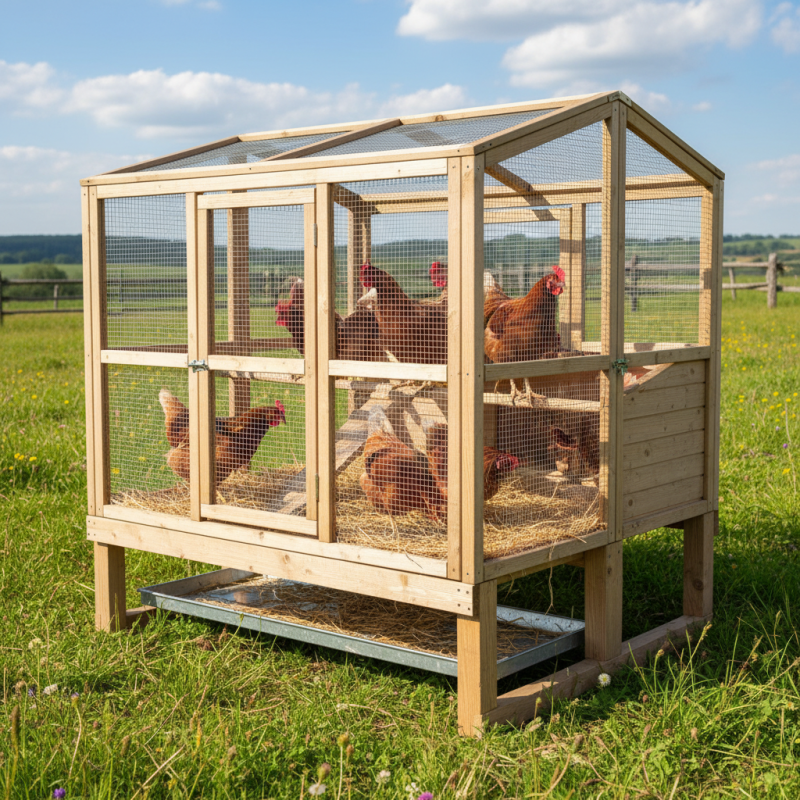
When selecting a chicken cage, easy access features are crucial. Look for designs that allow effortless feeding and cleaning. Feeders should be within reach, making it simple to refill. Design prevents waste and keeps food clean. Removable trays under the cage collect droppings. This minimizes mess and saves time during cleaning.

Consider access points as well. Larger doors can facilitate entry for maintenance. Smaller access doors can simplify collecting eggs. Sometimes, cages lack proper locking mechanisms. This can cause stress for both hens and owners. Features like secure latches ensure both safety and ease of use.

Observe how your hens interact with their space. If they seem anxious, re-evaluate the cage layout. A cramped environment can lead to aggression. Proper access should promote a calm atmosphere. Adaptations may be necessary as needs change. Choose wisely, and you'll create a more enjoyable experience for everyone.

Budget Considerations and Long-term Investment

How to Choose the Best Chicken Cage for Your Hens?

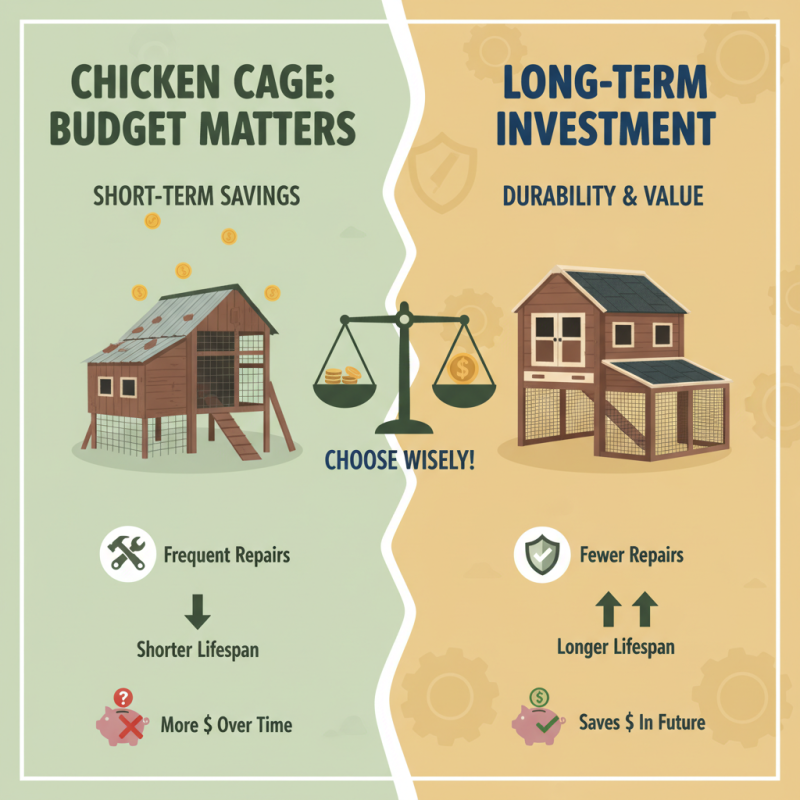
When choosing a chicken cage, budget plays a crucial role. A lower-priced option might seem attractive. However, consider long-term investment. A well-built cage lasts longer and saves money in the future. It may require more upfront cost, but repairs and replacements can add up.

Tips: Look for durable materials. Wooden cages can be cheaper but may not endure harsh weather. Metal cages are often sturdier and easier to maintain. Think about your hens' comfort too. Crowded conditions lead to stress and health issues.

Think about space. A small cage is cheaper but limits your hens' movement. This can affect egg production and their well-being. Investing in adequate space pays off in healthier birds and better eggs. Reflect on how much room your hens truly need.

Consider future needs. Will your flock grow? A cage that fits only your current numbers might not work later. Planning ahead can ease stress and foster a better environment for your hens.

FAQS

: What is the main purpose of the service?

: The service aims to connect users with trustworthy information and support.

Who can use this service?

Anyone seeking reliable information can use it. All ages can benefit from it.

How is user safety ensured?

User safety is prioritized. Private information is protected and not shared.

Can I trust the information provided?

Every effort is made to provide accurate information. However, always verify independently.

What should I do if I find inaccurate information?

Report inaccuracies to the support team. Feedback helps improve the service.

Is there a cost for using the service?

The service is free for all users. There are no hidden fees.

How can I contact support?

Users can contact support via the provided channels. Response times may vary.

Can I access the service on all devices?

Yes, the service is designed for use on various devices, including phones and tablets.

What if I feel overwhelmed using the service?

Take breaks when needed. It's okay to feel uncertain during the learning process.

Are there any age restrictions for users?

The service is suitable for all ages, but younger users should have adult supervision.

Conclusion

When selecting the best chicken cage for your hens, it is essential to understand their specific needs for comfort and health. Different types of chicken cages are available, ranging from simple coops to more elaborate enclosures. Key factors to consider include the size of the cage, which should accommodate the number of hens while allowing them enough space to move freely. Additionally, the material of the cage plays a crucial role in ensuring durability and hygiene, which are vital for the well-being of the chickens.

Proper ventilation and lighting are necessary to maintain a comfortable environment within the chicken cage. Easy access features for feeding and cleaning can significantly enhance your experience as a chicken keeper. Lastly, budget considerations should align with a long-term investment approach, as a quality chicken cage can lead to healthier hens and a sustainable operation in the long run.
Sophie

Sophie

Sophie is an accomplished marketing professional with a deep expertise in agricultural systems, specializing in feeding and nipple drinking systems, as well as ventilation, cooling, and environment control systems. With a passion for modernizing farming practices, she plays a pivotal role in......
Previous Benefits of Using the Best Piglet Nursery Crate for Optimal Growth