inquiry
Leave Your Message
0%

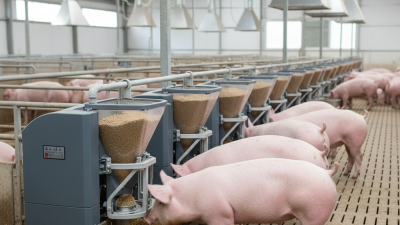
Picking out the right equipment for your farm isn’t just about ticking boxes—it’s really about making sure your animals are looked after properly and that everything runs smoothly. One piece of gear a lot of farmers swear by is the Stainless Steel Pig Feeder. Honestly, it’s a popular choice because it’s tough, doesn’t rust easily, and can handle whatever weather you toss at it. Many farmers have mentioned that investing in one actually helps cut down on maintenance costs over time—which is a huge bonus!

When it comes to choosing a pig feeder, quality really does matter. Stainless steel isn’t just sturdy; it’s also super hygienic, which is a big plus since it helps prevent bacteria build-up. Plus, it’s pretty easy to clean, making your pigs’ environment healthier. That said, it can be a bit pricier than plastic feeders. So, it’s worth taking a moment to think about what you truly need and what fits your budget. A lot of farmers have found that, in the long run, the benefits of steel outweigh the initial cost.

Innovation never stops in farming equipment. While classic materials work just fine, they sometimes fall short when it comes to lasting longer. Sure, a Stainless Steel Pig Feeder might seem like a bigger investment upfront, but most folks agree it pays off over time because you’ll replace or repair it less often. Every farm is different, so weighing the pros and cons of various feeders is pretty much essential if you wanna get the best results.
Why Choose Stainless Steel Pig Feeders for Your Farm Needs?

Benefits of Using Stainless Steel Pig Feeders in Farming

Why Choose Stainless Steel Pig Feeders for Your Farm Needs?

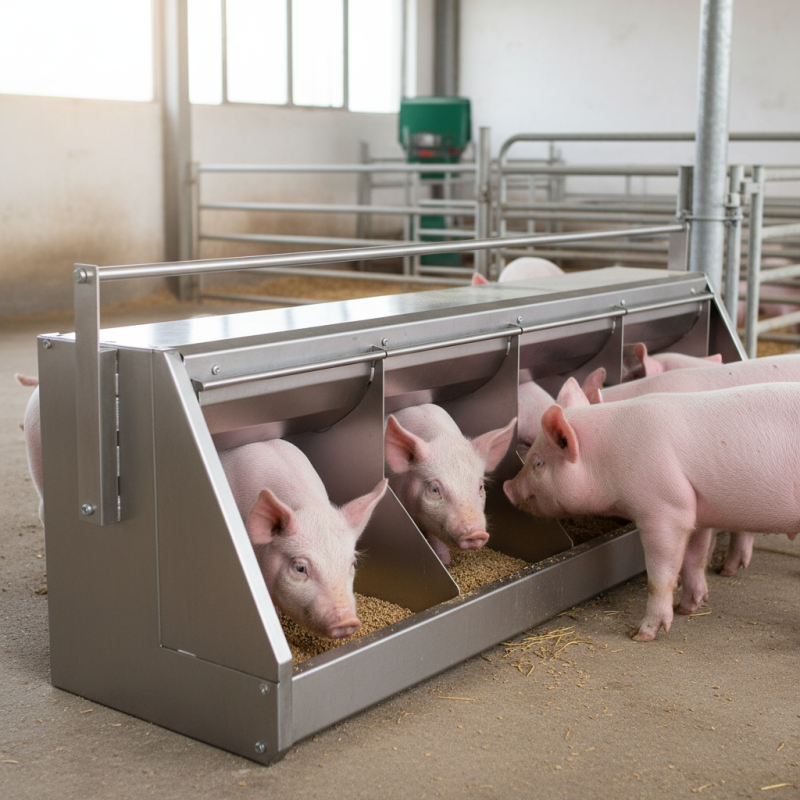
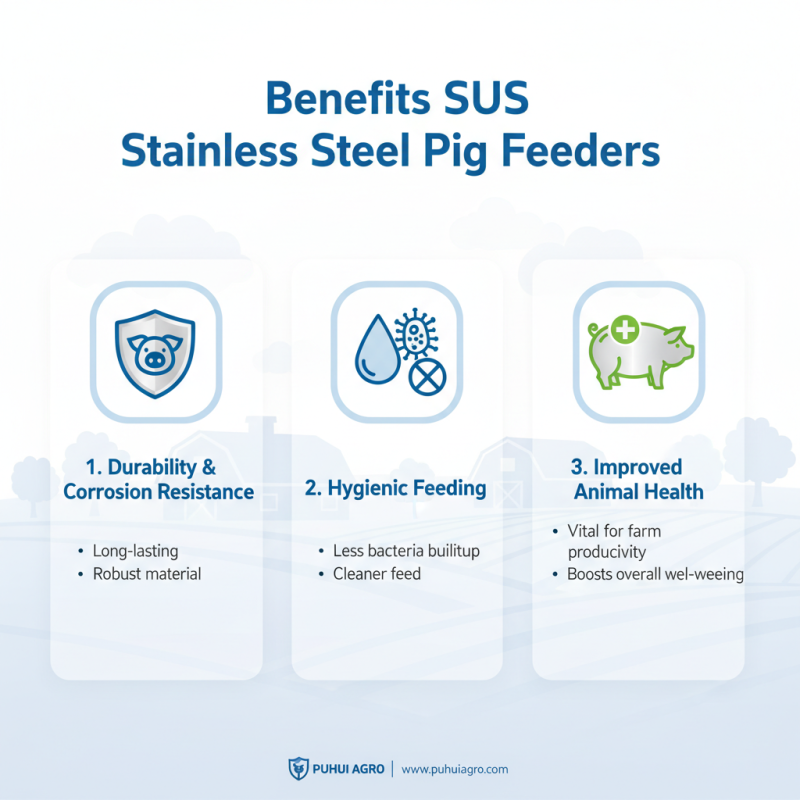
Stainless steel Pig Feeders have gained popularity in farming due to their numerous benefits. These feeders provide durability and resistance to corrosion, ensuring a long-lasting solution for pig nutrition. The use of aSUS Stainless Steel Feeder means that farmers can rely on a hygienic feeding option. With less risk of bacteria buildup, pigs receive cleaner feed. This quality contributes to overall animal health, which is vital for farm productivity.

Moreover, stainless steel feeders are easy to clean and maintain. Farmers can quickly wash them, reducing the time spent on chores. This efficiency can lead to better farm management. However, there are other considerations. The initial investment may be higher compared to plastic alternatives. Some may wonder if the benefits justify the costs. Reflecting on this can lead to better decision-making.

Stainless steel feeders also help minimize feed wastage. Their sturdy design prevents spillage and keeps the feed in one place. Ultimately, these feeders create a better environment for pigs. The features of a SUS Stainless Steel Feeder might initially seem costly, but long-term savings can make them an intelligent investment.

Durability and Longevity of Stainless Steel Feeders

When choosing feeders for your farm, stainless steel stands out for its durability and longevity. Unlike plastic or wood, stainless steel resist rust and corrosion. This means they last longer, even in harsh environments. You can expect them to endure tough weather and heavy use. Feeders made of this material can save farmers money over time, as they require fewer replacements.

Stainless steel feeders are also easy to clean. Their smooth surfaces do not trap bacteria or feed remnants easily. This helps maintain hygiene and promotes animal health. However, they are heavier than other options, which can make them difficult to move or adjust. Farmers need to consider their setup for ease of access and cleaning. While they offer great advantages, the initial investment may be higher, prompting reflection on budget constraints. Balancing cost with benefits is essential for effective farm management.

Hygienic Features of Stainless Steel for Animal Health

When selecting feed equipment for pigs, hygiene should be a top concern. Stainless steel pig feeders stand out for their hygienic properties. Unlike plastic, stainless steel resists bacteria growth. It can be easily cleaned, reducing the risk of disease. This feature is crucial for maintaining animal health on the farm. Bacteria can lead to serious health issues in livestock. Therefore, using materials that inhibit bacterial growth is vital.

Another point to consider is the durability of stainless steel. While it may require a higher initial investment, its long lifespan outweighs the cost. Stainless steel can withstand harsh environmental conditions without degrading. However, it is not impervious to rust if ignored. Regular maintenance is necessary to keep feeders in optimal condition. This is a point often overlooked by many farmers.

Increased farm efficiency is a notable benefit of using stainless steel feeders. They allow for better feed management, minimizing waste. Farmers may underestimate the impact of feed loss on profits. A properly maintained stainless steel feeder can enhance feed intake and animal growth. Ultimately, ensuring a healthy and efficient farm operation depends on choosing the right materials for livestock care.

Costs vs. Long-term Savings: Stainless Steel vs. Other Materials

Stainless steel feeders are an excellent choice for farms, especially in managing pig feed. The initial investment may seem high compared to plastic or wood feeders. However, considering their lifespan, stainless steel feeders often lead to significant long-term savings. They can resist corrosion and handle rough use without degrading.

Costs can add up over time when dealing with other materials. Plastic feeders may crack and need replacement every couple of years. Wood feeders require maintenance and can harbor bacteria if not cleaned properly. In contrast, a Stainless Steel Nursery Feeder lasts much longer, making it a reliable option for farmers.

While the decision might appear straightforward, some farmers hesitate. They worry about the up-front cost versus potential benefits. Yet, reassessing the longevity and durability could shift their perspective. Investing in stainless steel may seem daunting initially, but it often pays off. Reflecting on long-term needs can guide farmers toward better choices for their operations.

Design Considerations for Efficient Pig Feeding

When selecting pig feeders, design considerations are crucial for maximizing efficiency. Effective Pig Feeding Systems must cater to pigs’ natural behaviors. Their feeding experience should provoke instinctive foraging actions. This helps ensure pigs are fully engaged during feeding times. Design elements should include adjustable height features. Height adjustability can accommodate pigs of different sizes and ages.

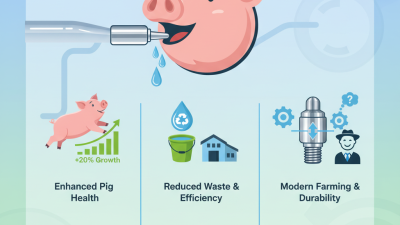
Another important feature is durability. Stainless steel is a reliable material that stands up to harsh farm environments. Its resistance to corrosion ensures longevity. Well-designed feeders also limit food waste. Optimizing design can save costs and improve feed-to-gain ratios. The inclusion of features like the Stainless Steel Pig Drinking Nozzle can further enhance the feeding area’s functionality.

Reflecting on current pig feeder designs, some may not meet the specific needs of your herd. It's vital to assess how existing systems affect pig behavior and health. Small changes in design can lead to significant improvements. Be open to experimenting with different designs. Engage with other farmers for insights and advice. This collaborative approach can lead to increased productivity on your farm.

Environmental Impact of Stainless Steel Pig Feeders

The choice of stainless steel pig feeders isn't just about durability. Their environmental impact is significant. A study from the National Pork Board shows that stainless steel is 100% recyclable. This means after their use in farms, they can be repurposed without contributing to landfill waste. In contrast, plastic feeders often end up in landfills, taking hundreds of years to decompose.

When using a Stainless Steel Pig Trough, farmers are making a sustainable choice. The longevity of stainless steel means it doesn’t need frequent replacements. This reduces the carbon footprint associated with manufacturing new products. Studies indicate that replacing plastic with metal feeders can decrease environmental emissions by 20% over a five-year period.

Tip: Regular maintenance of your stainless steel feeders can help extend their lifespan. Keep them clean and inspect for any damage. Consider investing in proven designs that minimize waste. Be mindful of your overall resource use on the farm. Small changes can lead to significant environmental benefits.

Why Choose Stainless Steel Pig Feeders for Your Farm Needs? - Environmental Impact of Stainless Steel Pig Feeders

Feature Stainless Steel Feeders Plastic Feeders Wooden Feeders
Durability High - Resistant to rust and corrosion Moderate - Can crack or fade over time Low - Prone to rot
Maintenance Low - Easy to clean Moderate - Requires regular cleaning to prevent buildup High - Needs frequent treatment to prevent decay
Environmental Impact Recyclable and sustainable production Not biodegradable; relies on petroleum Can be sourced sustainably, but paints may be harmful
Cost Higher upfront cost, long-term savings Lower cost, shorter lifespan Variable cost, often requires refurbishing
Hygiene Non-porous; does not harbor bacteria Can absorb moisture and odors

Maintenance and Care for Stainless Steel Equipment in Farms

Maintaining stainless steel equipment is crucial for any farm operation. Unlike other materials, stainless steel offers durability and resistance to corrosion. This makes it an excellent choice for pig feeders. However, even stainless steel requires proper care. Regular cleaning is essential to prevent rust and ensure longevity.

A simple solution is to clean the feeders with a mild detergent. This helps remove any feed residues. Ensure you rinse thoroughly to avoid any build-up of chemicals. Inspect the feeder regularly for signs of scratches or dents. These could lead to corrosion if not addressed promptly. Using a soft cloth for polishing can help maintain a shiny surface.

Farmers often overlook the importance of maintenance. It's easy to assume stainless steel is indestructible, but that’s not entirely true. Neglect can lead to costly replacements. Setting a routine for maintenance is beneficial. It also promotes safety for the animals. Regular checks can prevent minor issues from escalating into bigger problems. Investing time in care will enhance the equipment’s lifespan and performance.

Maximizing Efficiency and Hygiene in Livestock Operations: Insights from the 2023 Market Trends on Poultry and Pig Farm Manure Management Solutions

In the ever-evolving landscape of livestock operations, effective manure management is crucial for maximizing both efficiency and hygiene. According to a 2023 market trends report, the demand for innovative solutions in poultry and pig farm manure management has significantly increased, driven by the need for better environmental sustainability and enhanced operational productivity. One of the most promising approaches highlighted in the report is the centralized drainage system that allows for the efficient removal and treatment of manure directly from the pig housing units.

Centralized systems, which incorporate components like manure scrapers and slot plugs, facilitate the seamless collection and management of waste. This not only minimizes the hygienic risks associated with manual handling but also enhances the overall biosecurity of the farming environment. Studies indicate that farms utilizing these modern manure management solutions can reduce pathogens by up to 50%, thereby lowering the potential for disease outbreaks and improving animal welfare.

Moreover, integrating effective manure management with automated systems can lead to substantial labor savings. According to industry data, farms that implement advanced drainage technologies report up to a 30% reduction in labor costs associated with waste management. This increased efficiency allows farmers to redirect their resources towards other critical aspects of their operations, such as enhancing feed quality or expanding production capacity, ultimately leading to improved profitability and sustainability in livestock farming.

FAQS

: Why should I choose stainless steel feeders for my farm?

: Stainless steel feeders are durable and last longer than plastic or wood. They resist rust and corrosion.

How does the weight of stainless steel feeders affect their use?

Stainless steel feeders are heavier, which can make them difficult to move or adjust easily on the farm.

What are the cleaning requirements for stainless steel feeders?

Clean with mild detergent and rinse thoroughly to remove residues. Regular cleaning helps maintain hygiene.

How often should I inspect stainless steel feeders?

Regular inspections are crucial. Look for scratches or dents to prevent corrosion and ensure longevity.

Is stainless steel maintenance time-consuming?

No, but regular, simple maintenance is essential. Neglect can lead to costly replacements in the future.

Are stainless steel feeders expensive initially?

They may have a higher upfront cost. However, they save money over time through durability and fewer replacements.

Can rust still occur on stainless steel?

Yes, rust can occur with neglect. Proper care is essential to prevent this issue and to maintain performance.

What happens if I don't maintain stainless steel equipment?

Neglecting maintenance can lead to minor issues becoming significant problems, resulting in costly repairs or replacements.

How does the choice of feeder material affect animal health?

Stainless steel helps maintain hygiene, which promotes better health for the animals compared to materials that trap bacteria.

Conclusion

The article "Why Choose Stainless Steel Pig Feeders for Your Farm Needs?" highlights the numerous advantages of using stainless steel pig feeders in agricultural settings. Stainless steel pig feeders are celebrated for their durability and longevity, ensuring that they withstand harsh farm environments while offering a reliable feeding solution for pigs. Their hygienic properties play a crucial role in promoting animal health, as they are resistant to bacteria and easy to clean.

Furthermore, the article discusses the cost-effectiveness of stainless steel compared to other materials; although initial investment may be higher, the long-term savings in maintenance and replacement costs justify the choice. Key design considerations are also outlined to maximize feeding efficiency, alongside the environmental benefits associated with using stainless steel. Lastly, proper maintenance and care for stainless steel equipment are essential to ensure its performance and lifespan on farms.
Sophie

Sophie

Sophie is an accomplished marketing professional with a deep expertise in agricultural systems, specializing in feeding and nipple drinking systems, as well as ventilation, cooling, and environment control systems. With a passion for modernizing farming practices, she plays a pivotal role in......
Previous Top 10 Poultry Cage Designs for Efficient Farming Solutions?