When you're in the poultry game, choosing the right equipment really can make all the difference. Take the Layer Chicken Cage, for example—it's pretty much a game-changer for boosting egg production. John Peterson, who's pretty much a go-to guy in poultry farming, once said, "The efficiency of a Layer Chicken Cage can directly influence your flock's output." That just goes to show how crucial it is to pick the best options out there.
Now, when you’re shopping around for Layer Chicken Cages, it's a good idea to look at different designs and materials. Sometimes, folks overlook things like ventilation or making sure there’s enough space, and that can end up hurting both your chickens’ comfort and how many eggs you get. A good cage should give good airflow and enough room for the hens to move around comfortably—that’s how they’ll stay happy and produce more. Skip those basics, and you might find yourself losing eggs before they even get laid.
Investing in decent Layer Chicken Cages isn't just about buying something off the shelf. It’s about making sure they actually fit your setup and your needs. Sure, lots of cages promise high production, but honestly, they’re only really effective if you maintain them properly and keep an eye on how things are going. Chatting with experts and taking a hard look at your current setup can really make a big difference—sometimes it’s those small tweaks that turn your egg production around.
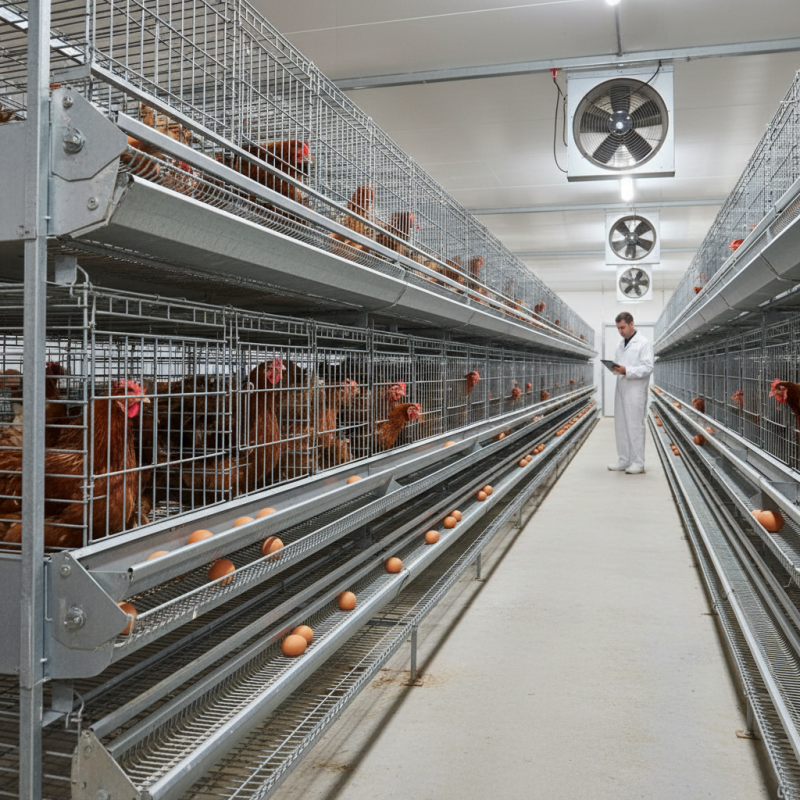
Understanding Layer Chicken Cages and Their Importance in Egg Production
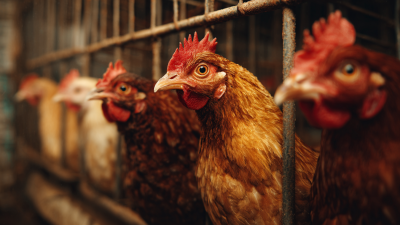
Layer chicken cages play a vital role in maximizing egg production. These cages provide a controlled environment that enhances the health and productivity of hens. Proper housing is essential for a successful poultry operation. Well-designed cages minimize stress and allow for easy access to food and water.
Optimal design features include proper ventilation and adequate space for hens. Each bird needs enough room to move comfortably. Overcrowding can lead to lower egg production and increased aggression. A thoughtful approach to cage layout encourages natural behaviors, which is crucial for their well-being.
However, not all designs guarantee success. Subpar materials might lead to quick deterioration. Frequent inspections are necessary to ensure that the cages remain functional. Identifying problems early can prevent losses in productivity. Continually assessing the effectiveness of your setup is key. Balancing production goals with animal welfare is often a challenge and requires ongoing reflection.
2026 Best Layer Chicken Cage Options for Maximum Egg Production
| Cage Type | Layer Capacity | Material | Egg Production Rate | Price Range (USD) |
| Battery Cages | 3-6 hens per cage | Galvanized Steel | 90%+ | $150 - $300 |
| Collapsible Cages | 2-5 hens per cage | Plastic & Steel | 80%+ | $100 - $250 |
| Deep Litter Cages | 10-15 hens per cage | Wood & Plastic | 75%+ | $200 - $400 |
| Cage-Free Systems | Variable | Mixed Materials | 70%+ | $250 - $500 |
Key Factors for Choosing the Best Layer Chicken Cage
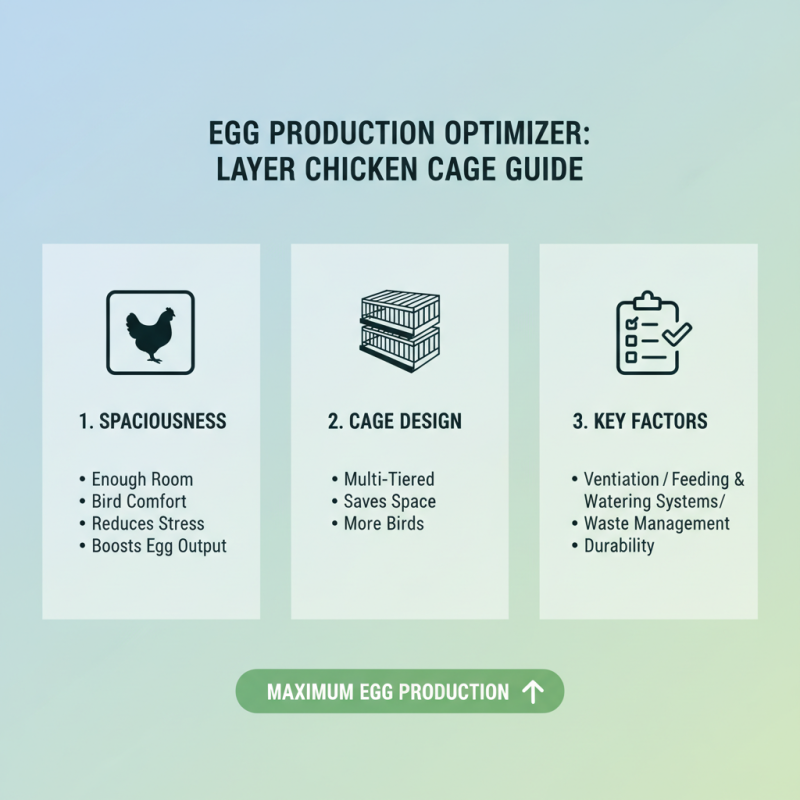
When choosing the best layer chicken cage for maximum egg production, several key factors should be considered. Space is crucial. Each hen needs enough room to move comfortably. Overcrowding can lead to stress and reduced egg output. Think about the cage design as well. A multi-tier structure can save space while accommodating more birds.
Ventilation is another important factor. Good airflow keeps conditions pleasant. Stagnant air can affect the hens’ health and productivity. Ensure your cage has adequate openings for fresh air. Also, consider the materials used. Metal cages are durable and easy to clean. Wooden cages may degrade over time.
Tips: Monitor the lighting in the cage. Hens require 14 to 16 hours of light for optimal laying. Use a timer for easy management. Regular cleaning is essential, too. Remove waste to prevent disease and promote health. Regularly inspect the cages for any signs of wear and tear. A small crack can lead to bigger problems later. Always be ready to adapt your setup as needed.
Types of Layer Chicken Cages Available in the Market
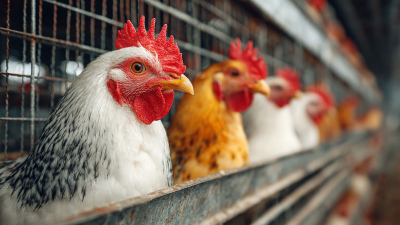
When considering layer chicken cages, various types are available to maximize egg production. A popular option is the battery cage. These cages hold multiple hens in a compact space. While efficient, they often have limited movement for the birds. This can lead to stress and reduced welfare. It’s crucial to evaluate if the benefits of high egg output outweigh the potential drawbacks for the hens.
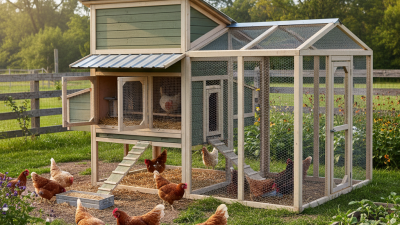
Another option is the free-range or barn-style cages. These setups allow chickens more freedom and space. Hens can move around, engage in natural behaviors, and possibly produce better quality eggs. However, managing these systems can be more challenging. They require careful attention to the environment and health of the birds. Finding the right balance between productivity and hen well-being is essential.
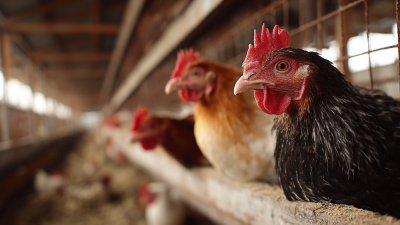
Many poultry farmers also consider stacked systems. These designs optimize vertical space. They can increase production efficiency significantly. Yet, they may present issues with ventilation and cleaning. Proper maintenance is vital to prevent any health risks. Ultimately, the choice of a Chicken Layer Cage should reflect both production goals and the chickens' needs.
How Cage Design Affects Egg Laying Performance
The design of an Egg Layer Chicken Cage plays a crucial role in maximizing egg production. Research indicates that cage design can influence bird behavior, health, and ultimately, egg yield. For instance, cages that allow more space for movement tend to reduce stress among hens, leading to better laying performance. According to a study by the International Egg Commission, hens in enriched cages laid about 12% more eggs compared to those in traditional cages.
Optimal lighting is another significant factor. Hens require a specific light cycle to stimulate egg production. A consistent light schedule of 14 to 16 hours daily can enhance laying rates. However, poorly designed cages may hamper effective light distribution, negatively impacting productivity.
Tip: Choose designs with adjustable lighting features. This can help maintain consistent conditions regardless of seasonal changes.
Ventilation should not be overlooked. Proper airflow helps regulate temperature and humidity levels within the Egg Layer Chicken Cage. High ammonia levels can irritate the hens’ respiratory systems, leading to decreased performance.
Tip: Regularly monitor ammonia levels. Addressing excess levels promptly can improve overall health and egg output. A well-thought-out cage design is a step toward maximizing your flock’s productivity.
2026 Best Layer Chicken Cage Options for Maximum Egg Production
Best Features to Look for in Layer Chicken Cages
When considering the best layer chicken cages for maximum egg production, key features matter. Look for efficient space utilization. A well-designed H Type Layer Chicken Cage offers multiple tiers. It conserves floor space while maximizing the number of hens housed. Research indicates that this design can increase egg output by 30% compared to traditional cages.
Ventilation is crucialin Layer Cages. Proper airflow can prevent heat stress, which affects egg production. Studies show that hens in well-ventilated environments produce eggs more consistently.
Another factor is egg collection systems. Automated systems reduce labor and minimize egg breakage. This is vital, as even a slight increase in breakage can lead to significant economic losses.
Lastly, consider the ease of maintenance. Cages should be designed for easy cleaning and health monitoring. Frequent maintenance is necessary to ensure hen health and productivity. If cages are too cumbersome to manage, it can lead to overlooked health issues. An efficient setup is foundational for successful layer production, but ongoing evaluation of cage conditions is essential.
Maximizing Egg Production with Proper Management Techniques
Maximizing egg production requires a keen focus on management techniques. Good nutrition is crucial. A balanced diet enhances the hens' overall health. A nutritious diet includes grains, proteins, and supplements. Each ingredient plays a vital role in egg quality and quantity. Observing hens can reveal dietary needs. Sometimes, additional supplementation may be needed.
The Chicken Layer Cage System is designed for efficiency. Proper ventilation and space are essential to reduce stress. Stress directly impacts egg production. Regular cleaning is also necessary to maintain a healthy environment. Ignoring cleanliness can lead to health issues. Hens thrive in well-managed conditions. Monitoring egg laying patterns is beneficial. This data helps in adjusting management strategies.
Pay attention to light cycles. Hens need adequate lighting to stimulate egg production. Too much or too little light can disrupt their natural rhythm. Ensure that the cage design allows for optimal light distribution. Environmental factors influence egg laying too. Temperature changes can stress hens, leading to decreased output. Understanding these elements is key for consistent production.
Cost Analysis of Different Layer Chicken Cage Options
When considering layer chicken cage options for optimal egg production, cost is a significant factor. The initial investment can vary greatly based on the design and materials used. A standard multi-tier cage may cost less upfront but requires higher maintenance expenses over time. In contrast, more sophisticated automated systems can demand a higher initial payment but may reduce labor costs and increase egg yield in the long run.
Another important aspect is space efficiency. Some cages are designed to maximize the number of hens in a limited area. However, overcrowding can lead to stress and health issues among the birds. Evaluating the cost of potential losses from low production due to stress is essential. Ultimately, the choices made today affect future production and overall profitability. Balancing these options might require adjustments and careful analysis.
Maximizing Efficiency and Productivity: A Comprehensive Guide to the 20000 Broiler Poultry Automatic Shed System Based on Industry Reports
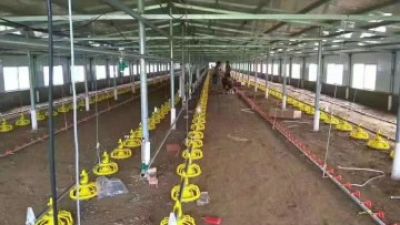
In the modern poultry industry, maximizing efficiency and productivity is a critical focus for farm operators. The 20000 Broiler Poultry Automatic Shed System presents an innovative solution designed to enhance the management of large-scale poultry operations. This comprehensive guide explores the essential components of this advanced system, which includes fully automated feeding, drinking, and climate control mechanisms. By streamlining these processes, farmers can significantly reduce labor costs while ensuring that birds receive consistent care, leading to improved growth rates and overall health.
The integration of state-of-the-art technology in poultry farming—such as automated feeding systems and precise climate management—allows operators to monitor their flocks closely and adjust conditions in real-time. This results in the creation of a more favorable environment for broilers, facilitating optimal feed conversion and weight gain. Furthermore, an automatic shed system minimizes human error and enhances biosecurity by reducing direct contact with livestock. With the ability to accommodate a large quantity of birds, this setup not only increases production capacity but also supports sustainable practices within the industry, ensuring that farms can meet rising demands in protein supply efficiently.
FAQS
: You can use moisturizers, cleansers, and serums. Choose according to your skin type.
Apply sunscreen every two hours when outdoors. Consider reapplying more frequently if swimming.
It’s better to use different products. Face skin is thinner and needs gentler ingredients.
Look for redness, irritation, or breakouts. These can mean the product isn’t right for you.
Drink plenty of water and use a good moisturizer daily. Consider a humidifier in dry environments.
Yes, patch testing can prevent allergic reactions. It’s a simple method to observe skin reactions.
Mixing may cause irritation. Proceed with caution and observe how your skin reacts over time.
Discontinue use immediately and consult a professional. Document your reaction and products used.
Results can take weeks to months. Patience is key; observe changes without rushing into more products.
Not necessarily. Some natural ingredients can irritate or not be effective. Evaluate based on your skin.
Conclusion
This article explores the essential aspects of Layer Chicken Cages, which play a crucial role in maximizing egg production. It begins by emphasizing the importance of understanding different cage designs and their impact on laying performance. Key factors for selecting the best Layer Chicken Cage include considerations such as size, ventilation, and ease of access for management.
The article also delves into the various types of Layer Chicken Cages available on the market, comparing their features and benefits. It highlights the significance of proper management techniques in conjunction with cage design to enhance egg yield. Lastly, a cost analysis is provided to help poultry farmers make informed decisions about investing in Layer Chicken Cages that align with their production goals. By considering these factors, farmers can optimize their operations for maximum egg production efficiently and effectively.

 +8618266221406
 Contact Phone
 Contact Email