As the pig farming industry around the world keeps evolving, there's definitely a bigger buzz around better, more sustainable Pig Ventilation Equipment. Industry expert Dr. Emily Carter from Livestock Solutions puts it simply: “Good ventilation is super important for keeping pigs healthy and productive.” It really drives home how vital those advanced Ventilation Systems are nowadays.
Lately, we’ve been seeing all sorts of cool innovations aimed at improving air quality while cutting down on energy bills. With more and more rules about animal welfare popping up, farmers are looking for dependable solutions they can trust. The trend towards smarter, automated ventilation systems is clear—they want real-time monitoring and control to make sure conditions in the pigsty are just right.
Of course, it’s not all smooth sailing. Not every farmer can afford the latest tech, especially smaller operations. There’s still quite a gap between what’s available and what’s actually accessible for everyone. Dr. Carter mentions this, saying, “We really need to find ways to make these technologies affordable and within reach for all farmers.” It’s pretty obvious that while the future of Pig Ventilation Equipment looks promising, making sure it’s accessible to everyone is key if we actually want to see real impact across the board.
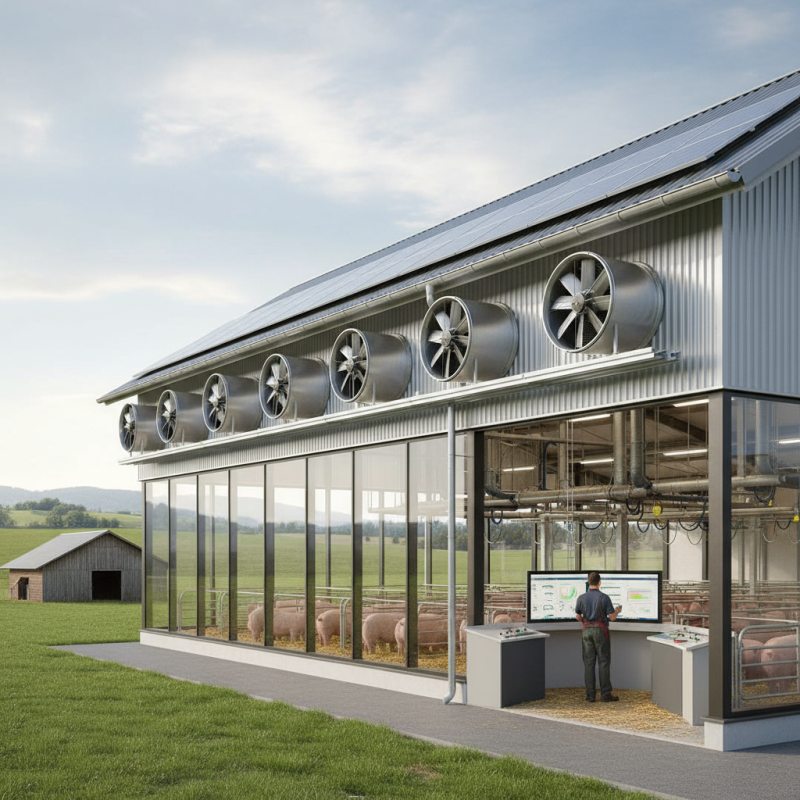
2026 Overview of Pig Ventilation Equipment Market Trends
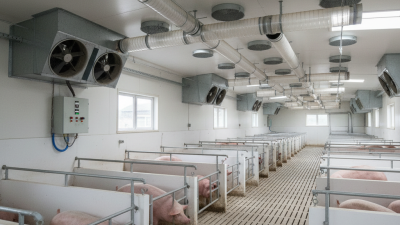
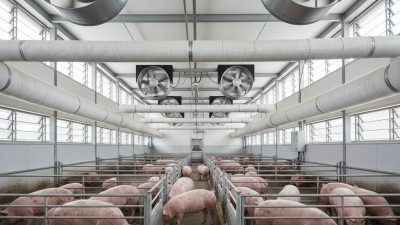
The pig ventilation equipment market is evolving rapidly. By 2026, buyers will notice advanced technology shaping trends. Energy efficiency is becoming crucial for operations. Smart ventilation systems are gaining popularity. These systems adapt to real-time environmental changes, optimizing airflow and reducing energy costs.
Temperature control remains a significant focus. Excessive heat can harm pig health, leading to reduced productivity. Effective equipment maintains ideal conditions. However, some systems may struggle in extreme weather. Buyers may need to consider regional climate impacts on performance.
Sustainability is also a growing concern. Many producers seek eco-friendly solutions. This push could lead to more natural materials and reusable components. Yet, the initial investment for these advancements may deter some buyers. Evaluating the long-term benefits versus upfront costs is essential for decision-making in this market.
Key Technologies Driving the Evolution of Ventilation Systems
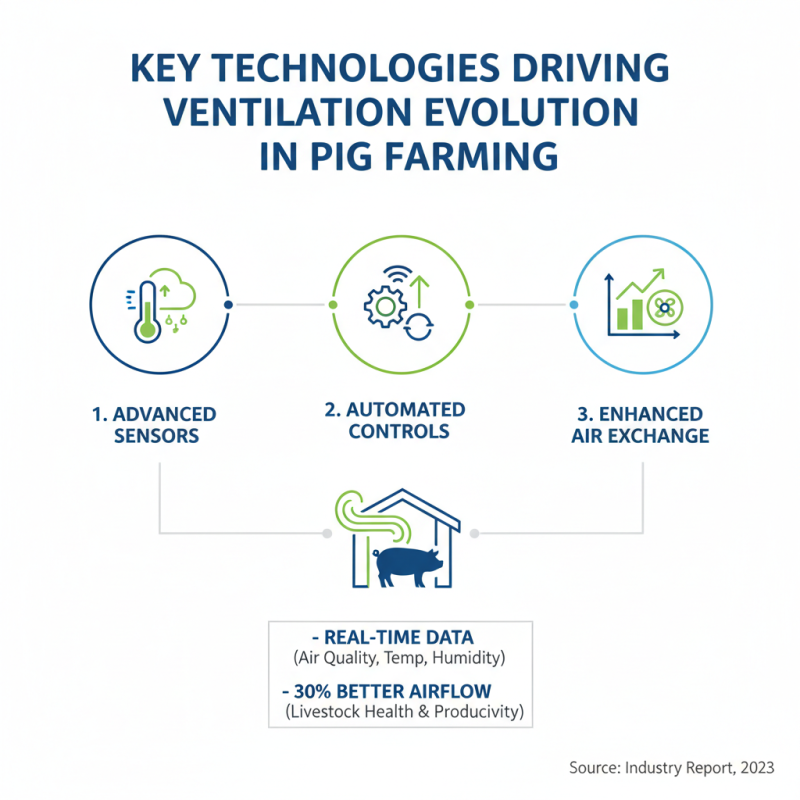
The evolution of ventilation systems in pig farming is increasingly influenced by innovative technologies. Advanced sensors are providing real-time data on air quality, temperature, and humidity. A recent report highlighted that automated ventilation controls can enhance air exchange rates by up to 30%. These improvements help maintain optimal conditions for livestock health and productivity.
Energy efficiency has become a crucial consideration. It is estimated that energy costs account for up to 30% of operational expenses in pig farming. Smart ventilation systems, which adjust airflow based on sensor feedback, can significantly lower these costs. Additionally, the integration of IoT technology offers farmers better control and monitoring capabilities. These devices enable farmers to track system performance remotely, presenting opportunities for proactive maintenance.
However, the implementation of such technologies is not without challenges. Some farms may struggle with the initial investment required for high-tech systems. Also, adapting existing infrastructures can pose logistical issues. As farmers consider these ventilation upgrades, the importance of thorough cost-benefit analysis cannot be overlooked. Overall, the evolution of Poultry Equipment Ventilation continues to shape the future of the industry.
Sustainability Measures in Modern Pig Ventilation Solutions
Sustainability is becoming a key focus in modern pig ventilation solutions. According to industry reports, over 60% of pig producers are now prioritizing eco-friendly technologies. This shift is not merely a trend; it's a response to environmental concerns and regulatory demands.
Ventilation systems with energy-efficient designs can significantly reduce carbon footprints. Advanced systems often utilize renewable energy sources, such as solar power. These solutions can lead to reductions in operational costs by up to 30%. However, the initial investment remains a challenge for many farmers. Finding the right balance between cost and sustainability is crucial.
Moreover, effective airflow management plays a role in animal health and productivity. Proper ventilation minimizes ammonia levels and maintains humidity. Research indicates that pigs raised in well-ventilated spaces show improved growth rates. Yet, there is still room for innovation. The industry must address existing gaps in technology adoption and farmer education. Continuous improvement is essential for truly sustainable practices.
Integration of Smart Technologies in Ventilation Equipment
The integration of smart technologies into Farm Ventilation Equipment is reshaping the agricultural landscape. Recent reports show that incorporating IoT devices can enhance energy efficiency by up to 35%. Smart sensors monitor air quality in real time, providing critical data to farmers. These insights help in making informed decisions about when to ventilate.
However, the transition to smart ventilation systems is not without challenges. Many farmers face a steep learning curve related to new technologies. There’s also a concern about the reliability of data gathered from various sensors. Discrepancies in readings can sometimes lead to poor system adjustments. Addressing these issues requires continuous training and adaptation.
Attention should also be given to system integration. Reports indicate that 65% of farms still rely on outdated equipment. Maintaining compatibility between new tech and existing systems is crucial. Poor integration may hinder the benefits of smart technologies. The path forward is not always clear, and honest discussions about these hurdles are vital for progress.
Impact of Climate Change on Pig Ventilation Needs
As climate change continues to intensify, the ventilation needs for pig farming are evolving. Farmers face increasing temperature fluctuations and humidity levels. These factors can lead to heat stress in pigs, adversely affecting their health and productivity. Adequate ventilation is vital for maintaining optimal conditions inside barns.
Modern ventilation systems must adapt to these challenges. Passive systems, such as adjustable sidewalls and roof vents, can help manage airflow. However, they may not always suffice in extreme weather events. Active systems, involving fans and climate control technologies, are becoming crucial. Investing in such systems can significantly enhance livestock welfare.
Farmers must also consider air quality. Increased humidity can lead to harmful bacteria and ammonia buildup. Monitoring air parameters is essential. Regular maintenance of ventilation equipment is necessary to ensure efficiency. The focus should be on creating a balanced environment for the pigs. However, many farmers lack the resources to implement these advanced systems fully. This requires careful planning and investment in the future of livestock management.
Regional Variations in Ventilation Equipment Preferences
Regional variations in pig ventilation equipment preferences reflect distinct agricultural practices and climates. In colder regions like Scandinavia, farmers favor heaters and insulated systems to maintain optimal temperatures. They often invest in advanced systems that ensure adequate warmth during harsh winters. Conversely, in hotter climates, such as parts of Southern Europe, ventilation strategies focus on cooling and humidity control. Farmers prioritize exhaust systems and misting technologies to keep the ambient temperature manageable.
Another aspect to consider is the local regulatory environment. Some areas have strict guidelines on emissions and energy efficiency. These regulations influence the type of Pig Farm Ventilation Fans installed. Consequently, farmers may opt for equipment that complies with local laws while still meeting their operational needs. Moreover, many regions face challenges in sourcing energy-efficient models, requiring innovative solutions to balance costs with compliance.
Farmers must assess their specific needs while choosing equipment. Some may rely heavily on traditional approaches, while others experiment with advanced technologies. This diversity can lead to inconsistencies in performance and efficiency. Regular evaluation of ventilation systems is essential to ensure they suit the evolving demands of pig farming. Making informed decisions here is crucial for sustainable operations.
Future Innovations on the Horizon for Pig Ventilation Systems
The future of pig Ventilation Systems is evolving. Innovations are on the horizon that promise to enhance animal welfare and improve farm efficiency. Advanced technology is being integrated into the ventilation system designs. Smart sensors, for instance, can monitor air quality in real-time. This data allows farmers to make immediate adjustments, ensuring optimal conditions for the pigs.
Energy efficiency remains a critical focus. New designs aim to reduce energy consumption significantly. Using natural airflow can minimize reliance on mechanical systems. Yet, balancing this with the pigs' comfort is challenging. Each farm's layout differs, influencing the effectiveness of these systems. Some farmers may find it hard to adapt to new technologies.
Another aspect is the emphasis on sustainability. Eco-friendly materials are becoming more common in construction. However, these materials may have limitations regarding durability and maintenance. Regular assessments will be necessary to ensure they perform as expected. Ultimately, while these innovations promise advancements, the path to implementation requires careful consideration and adaptation by all stakeholders in pig farming.
2026 Top Pig Ventilation Equipment Trends for Global Buyers
| Trend | Description | Expected Impact | Year of Adoption |
| Smart Ventilation Systems | Integration of IoT sensors for real-time monitoring and control of airflow and temperature. | Enhanced efficiency in temperature regulation, leading to better animal health and reduced energy costs. | 2026 |
|
Energy Efficient Fans | Utilization of advanced motor technology to reduce energy consumption. | Lower operating costs and improved sustainability of pig farming. | 2025 |
| Automated Climate Control | Automatic adjustments of ventilation based on environmental data. | Consistent climate management improves growth rates and reduces stress in pigs. | 2027 |
| Noise Reduction Technologies | Innovative designs to minimize noise pollution from ventilation systems. | Better living conditions for pigs, contributing to overall wellbeing. | 2026 |
| Sustainable Materials | Use of recyclable and eco-friendly materials in ventilation systems. | Reduction of environmental footprint of pig farming operations. | 2026 |
Efficient and Durable 15 Tons Feed Silo Solutions for Optimizing Pig and Chicken Farm Operations
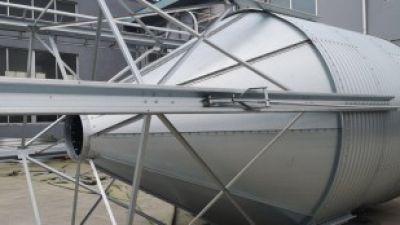
Efficient and durable feed silos are critical in enhancing the productivity of pig and chicken farms. For optimal operations, a 15-ton feed silo represents a balance of capacity and scalability, ensuring that farmers can store sufficient feed to meet their livestock’s nutritional needs without constant restocking. According to a recent industry study, efficient feed storage systems can reduce feed wastage by up to 15%, leading to significant cost savings over time.
The implementation of a 15-ton feed silo specifically designed for pig and chicken farms can improve the overall efficiency of feed distribution, minimizing labor costs and maximizing uptime. With the capability to protect feed from environmental factors and contamination, these silos help maintain the quality of feed, thereby enhancing animal health and productivity. The National Chicken Council reported that optimized feed management could increase growth rates in poultry by as much as 25%, emphasizing the importance of effective feed storage solutions in modern farming practices.
Furthermore, adopting durable feed silos reduces the frequency of maintenance and replacement, which is crucial for long-term financial planning in farm management. As input costs rise, investing in quality storage solutions like a 15-ton feed silo becomes increasingly vital. By ensuring that feed remains dry and protected, farmers can secure a consistent supply of high-quality feed, driving both operational efficiency and profitability in their agricultural ventures.
FAQS
: Modern pig ventilation solutions prioritize sustainability. Over 60% of producers are adopting eco-friendly technologies.
They can reduce carbon footprints and operational costs by up to 30%. However, initial investment costs can be high.
It minimizes ammonia levels and humidity, improving animal health. Well-ventilated pigs show better growth rates.
Farmers face more temperature fluctuations and humidity, leading to potential heat stress in pigs. Adequate ventilation is crucial.
Active systems, with fans and climate control, are essential. Passive systems alone may not suffice during severe conditions.
Increased humidity can lead to harmful bacteria and ammonia buildup. Regular monitoring and maintenance of equipment are necessary.
Cold regions favor insulated systems; hot climates prefer cooling technologies. Each adapts to local weather conditions effectively.
Local laws on emissions and energy efficiency influence farmers' choices. Compliance with these regulations is crucial.
Some rely on traditional methods, while others experiment with innovations. Regular evaluation is important to ensure efficiency.
Many lack resources for full implementation. Careful planning and investment are needed for sustainable livestock management.
Conclusion
The article "2026 Top Pig Ventilation Equipment Trends for Global Buyers" highlights the evolving landscape of pig ventilation equipment, focusing on current market trends and technological advancements. Key drivers include smart technologies that enhance efficiency and sustainability measures aimed at reducing environmental impact. As climate change continues to affect agricultural practices, the necessity for adaptive ventilation solutions becomes paramount, leading to diverse regional preferences in equipment designs and functionalities.
Looking ahead, innovation in pig ventilation systems is set to revolutionize the industry, prioritizing not only the well-being of livestock but also the operational efficiency of farms. The integration of advanced climate control methods and real-time monitoring systems will play a crucial role in shaping the future of pig ventilation equipment, ensuring that it meets the dynamic needs of the global market while contributing to sustainable farming practices.

 +8618266221406
 Contact Phone
 Contact Email